
Meta backs MacroCycle plant targeting 5,000 tons of recycled plastic, 80% lower emissions
Meta has signed a three-year deal with US plastics recycling startup MacroCycle to support development ...
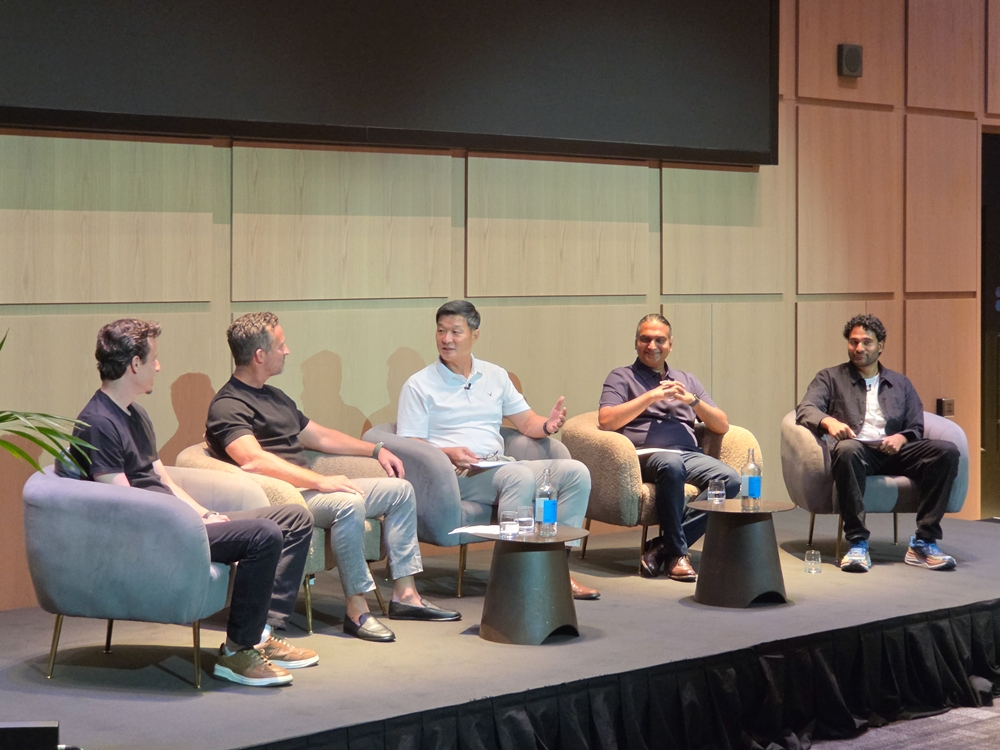
Samsung Electronics is expanding its artificial intelligence (AI) healthcare strategy beyond wearable tracking, building a connected health ecosystem that combines AI, nutrition, fitness and clinical research to advance preventive and personalized care—supporting the UN Sustainable Development Goal (SDG) 3 on Good Health and Well-being.
The company unveiled the strategy during its Health Forum at Galaxy Unpacked July 2026 in London, highlighting how partnerships across healthcare, fitness and AI research are helping shift digital health from reactive treatment toward proactive prevention.
“The future of health is connected, trusted and proactive — and it’s a road we’re glad to be traveling together,” said Dr. Hon Pak, Senior Vice President and Head of the Digital Health Team at Samsung Electronics.
Samsung said healthcare systems face a growing challenge: while health data is becoming more available, chronic diseases continue to rise.
The company aims to address what Dr. Pak described as the “first mile” and “last mile” gaps in healthcare—the difficulty of continuously monitoring health outside clinical settings and helping individuals turn health insights into daily actions.
Rather than simply collecting biometric data, Samsung is using AI to understand users’ habits and provide personalized recommendations when they are most likely to make healthier choices.
“We don’t just see a number — we see what’s around it: whether this is a moment you’re ready to change something or a moment you need a bit of support,” Dr. Pak said.
Samsung is extending AI-powered health management through integrations between Samsung Health, Samsung Food and iFIT, bringing personalized recommendations beyond activity tracking.
Samsung Food combines meal planning, food intelligence and health indicators, including meal logs, Body Mass Index (BMI), Antioxidant Index and AGEs Index, to recommend healthier eating habits based on individual needs.
“We’re not adding another thing to manage — we’re making the healthy choice the easy one,” said Kartik Poria, Head of Product at Samsung Food.
Through its integration with iFIT, Samsung Health users can also access personalized exercise recommendations based on fitness levels, health goals and activity history.
Samsung is strengthening collaborations with hospitals and healthcare organizations across Europe to validate its AI health technologies in real-world clinical environments.
The company highlighted partnerships with the UK’s National Health Service (NHS) and hospitals in Spain and Italy to support AI-enabled cardiovascular disease management and cancer survivorship research.
“Our goal is to meet the standards expected by clinicians, researchers and regulatory bodies… generating evidence in real-world clinical environments,” said Rohit Ail, Head of the Technology Incubation Lab at Samsung R&D Institute UK.
Samsung also emphasized data protection as a foundation of its digital health strategy, using Samsung Knox security, GDPR-compliant infrastructure and decentralized clinical trial approaches to strengthen user control over health data.
“Trust begins with protecting users’ data,” the company said.
Samsung is developing health foundation AI models capable of analyzing biosignals such as electrocardiogram (ECG), photoplethysmography (PPG) and accelerometer data to generate continuous and personalized health insights.
“These models interpret biosignals as a structured biological language,” said Otávio Penatti, Head of the Health AI R&D Team at Samsung R&D Institute Brazil, adding that AI could enable earlier predictions and more personalized care.
Samsung’s latest move signals a broader transformation in digital health—from wearable monitoring to an integrated AI healthcare platform designed to help prevent disease, improve decision-making and support healthier lifestyles.
Meta has signed a three-year deal with US plastics recycling startup MacroCycle to support development ...
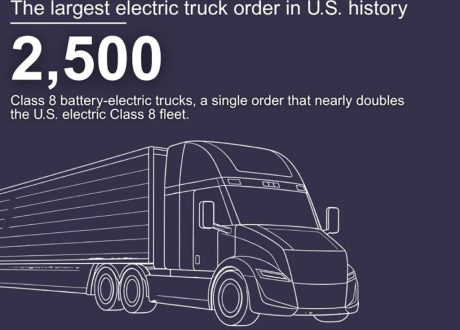
Catalyst Mobility, formerly CALSTART, and Smart Freight Center announced that a coalition of major cargo-owning ...
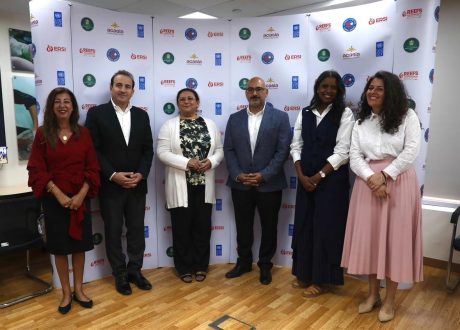
The REEFS Business Incubator, Egypt’s first business incubator dedicated to startups and SMEs working to ...
Leave a comment