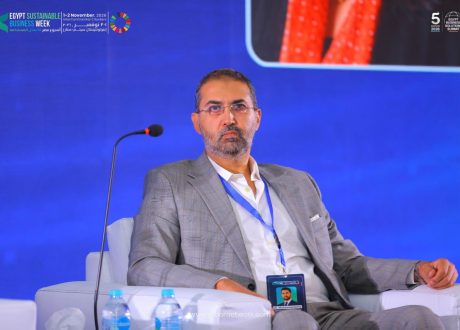
Cloud Eleven CEO: Egypt can export technology solutions, not just talent
Mohamed Samy, CEO of Cloud Eleven and former Managing Director of SAP Egypt, said said ...
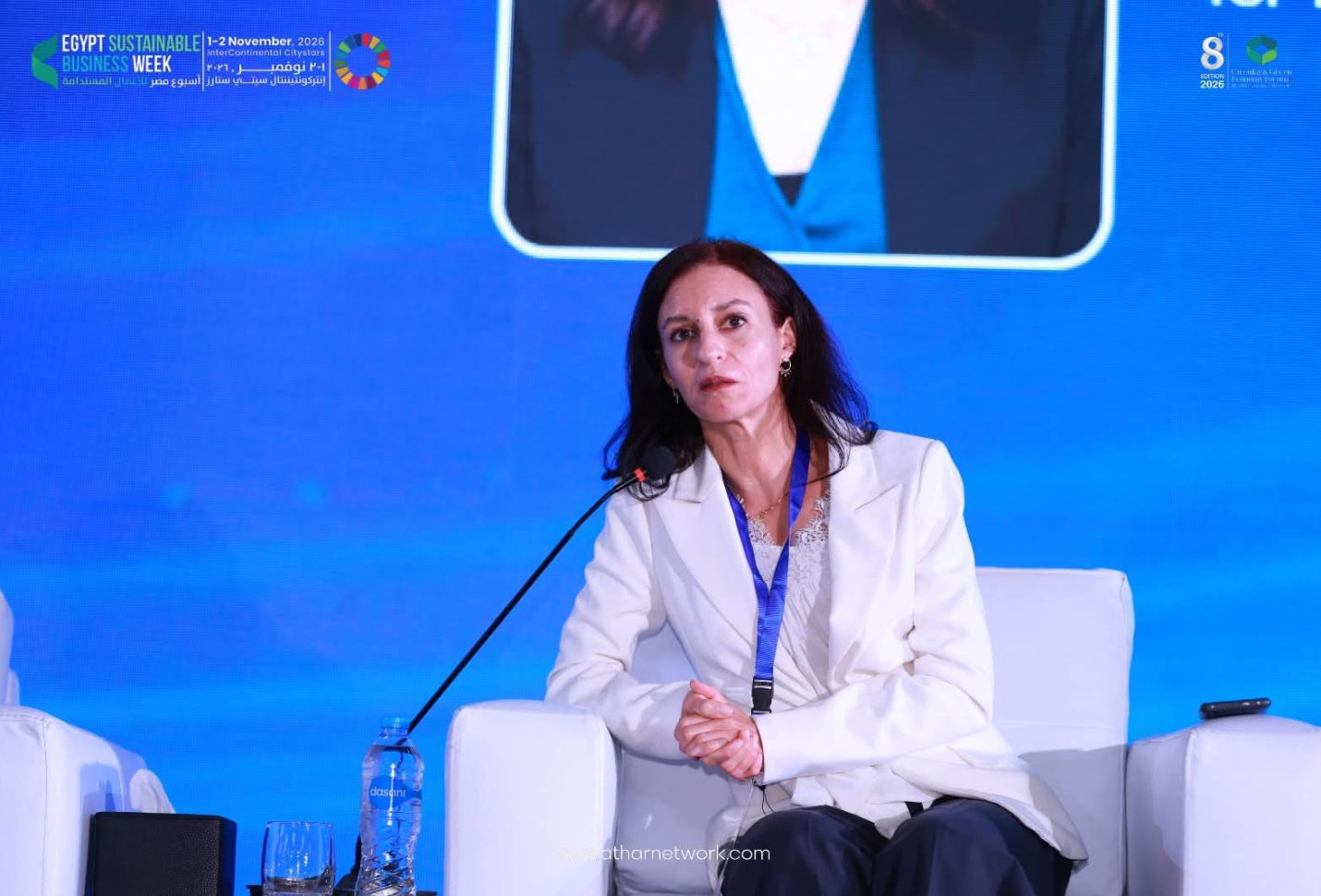
Aleya Serageldin, Executive Director of the Ghabbour Foundation for Development, said investing in people is essential to sustainable development and smart city building, emphasizing the need to equip individuals to become active partners in development rather than mere beneficiaries.
She made the remarks during the session titled “Green Infrastructure and Smart Cities: Building Future-Ready Cities Capable of Adaptation and Growth” at Egypt Sustainable Business Week 2026.
Building skills for industry needs:
Serageldin said the foundation has focused on technical education and skills development since 2017, aiming to prepare qualified graduates whose skills meet international standards and address industrial and labor market needs.
In 2021, the foundation began preparing for the expected demand for specialists in electric and smart vehicle maintenance, introducing the field into its technical education programs ahead of wider market adoption.
It also established workshops equipped with modern tools to provide students with hands-on training in smart vehicle technologies, while addressing the specific safety requirements of these vehicles. Serageldin stressed the importance of anticipating labor market needs before they emerge.
Promoting sustainable training practices:
The foundation has also introduced more sustainable practices into its training programs, including eco-friendly paints, to help prepare young people for industrial changes and reduce the environmental impact of production activities.
Developing skills in local communities:
Serageldin highlighted the importance of raising environmental awareness among children and young people, particularly adolescents, to shape responsible behavior and encourage their participation in building sustainable cities.
The foundation runs life-skills programs for children and young people in underserved areas of Cairo, including Sayeda Aisha, Marg and Salam. The programs develop critical thinking, promote technology use, and foster social responsibility and community belonging.
The programs extend from adolescence through secondary education, preparing young people for the labor market and equipping them with skills aligned with current and emerging needs.
Mohamed Samy, CEO of Cloud Eleven and former Managing Director of SAP Egypt, said said ...
Aleya Serageldin, Executive Director of the Ghabbour Foundation for Development, said investing in people is ...
Mohamed Nagaty, Tech/AI Investor and Entrepreneur, said artificial intelligence can support sustainability by improving resource ...
Leave a comment