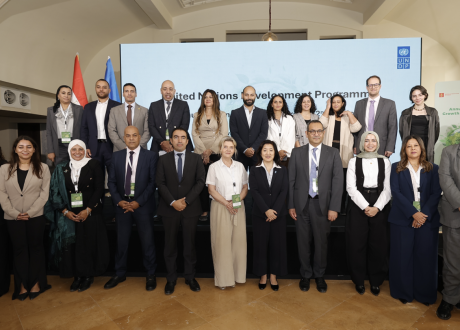
UNDP Egypt Conf. pushes green, digital growth for SMEs, Youth
The United Nations Development Program (UNDP) in Egypt convened its second Annual Green Growth Conference ...
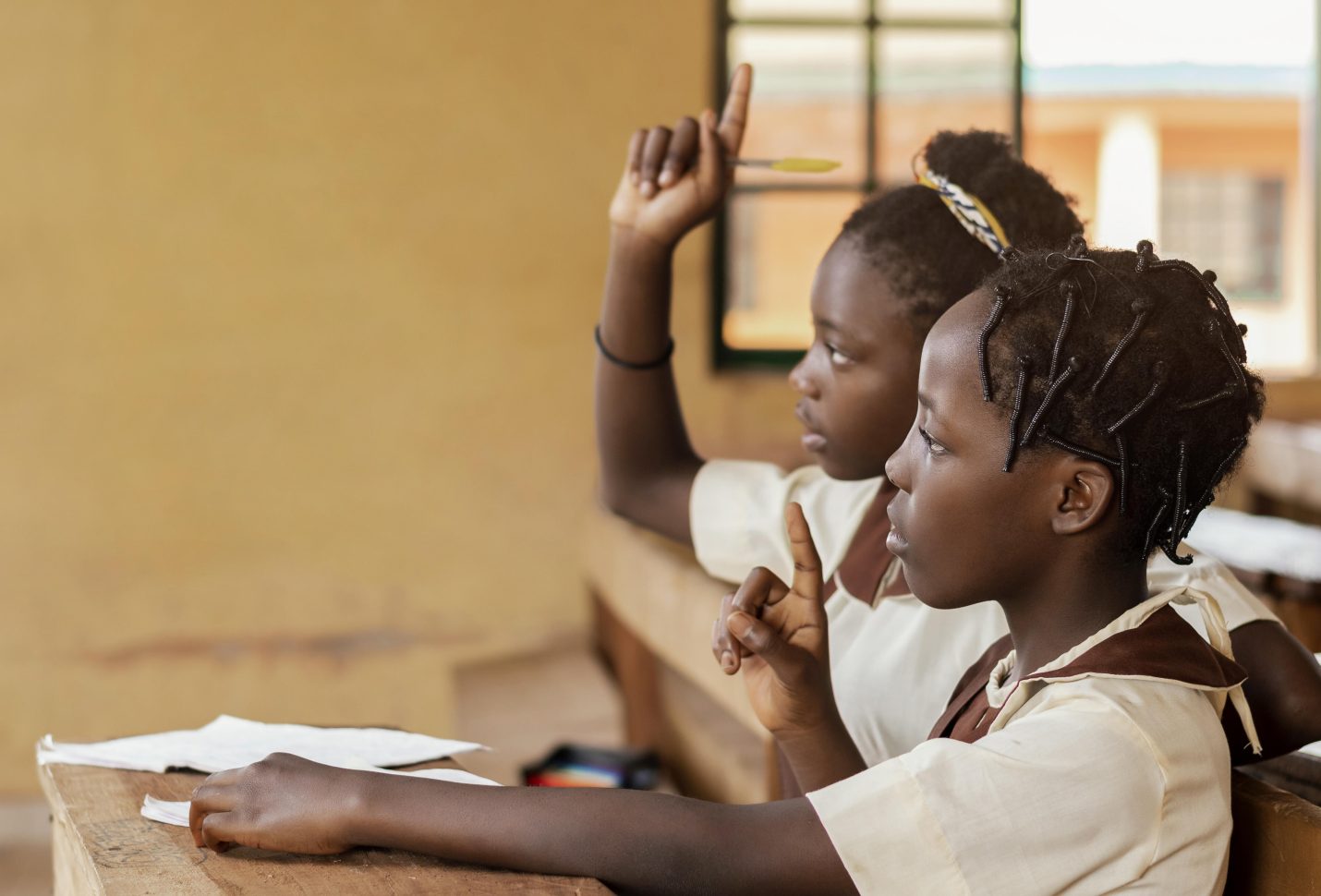
A report issued recently by the World Economic Forum (WEF) said that countries would gain between $15-$30 trillion in lifetime productivity and earnings if all girls completed secondary education.
The report – entitled “Why investing in girls’ education is both an economic and moral imperative” -Recently released research shows that investments made in education are directly responsible for half of all economic growth in the last three decades.
Of course, it goes without saying that equal access to education is a basic human right. But evidence – and experience – demonstrates time and again that educating girls is also one of the most effective ways to break cycles of poverty, challenge structural inequalities and drive economic growth.
If every girl completed secondary education, child marriage rates would plummet by almost two-thirds globally. Meanwhile, educating girls reduces incidences of malaria, HIV/AIDS and infant mortality, and increases the likelihood of future generations – both boys and girls – going to school.
Currently, progress towards gender equality is unequally distributed nationally and internationally. In much of Africa, while meaningful gains in girls’ education have been made among wealthier urban households, in rural communities not much has changed. We must not let considerable, and impressive, progress for some women and girls blind us to the huge challenges the majority face, knowing that gender disparities globally are increasing.
In South Sudan, 2.8 million children and youth are chronically out of school. Only one in 10 girls complete primary education; girls make up just one-third of the secondary school population; and 40% who drop out at this stage cite early pregnancy or marriage as the reason. When faced with the choice, families will prioritize their sons’ education over their daughters’.
For years, education systems have prioritized infrastructure, but progress in expanding access to education has not translated into improved learning outcomes. In Africa, nine out of 10 children cannot read a simple sentence by age 10. This is not just a scandal – it is an economic catastrophe. With the continent’s population being the youngest in the world, the cost of inaction is too high.
“We are happy to have the classrooms that exist, but too many lack trained teachers and essential resources needed to deliver foundational literacy and numeracy. In South Sudan, we have increased access to textbooks from one per 19 children to one per three, yet 40% of secondary schools lack the basic materials needed to operate effectively.”
Even for girls who have accessed formal education, the quality of learning remains a challenge; persistent patterns of exclusion and ongoing regional instability continue to push children out of classrooms.
Innovative, technology-driven and community-led models have shown promise. Countries like Kenya and Sierra Leone have successfully implemented cost-effective, evidence-based interventions – including structured lesson plans, phonics, digital learning and targeted teacher training – that yield tangible results.
Technology presents a transformational opportunity as long as equal access is enabled. Adaptive learning platforms can personalize instruction, while radio and mobile-based learning, which expanded during the COVID-19 pandemic, continue to reach many out-of-school students.
Accelerated Education Programs, which don’t require access to school facilities, have also proven highly effective across the continent, including in South Sudan. Designed to reach vulnerable children, these programs partner with communities while integrating mentorship, safety and self-esteem initiatives – fostering a sense of belonging and dignity, especially for girls and young women.
Recent data from Education.org shows that around one-fifth of Accelerated Education Programs were either wholly or partially funded by USAID, so many of these programs, which reduce dropout rates and often enable students to surpass their peers in the formal system, are at risk without supplementary support.
Within the next decade, Africa will have a workforce of one billion people aged 15 to 65. The key to harnessing this demographic potential is education – particularly for girls. Following the conclusion of the African Union’s “Year of Education”, governments and development partners must scale up investments into cost-effective, innovative solutions that address the continent’s learning crisis.
The United Nations Development Program (UNDP) in Egypt convened its second Annual Green Growth Conference ...
JPMorganChase has pledged approximately $3.5 million to organizations across Greater Boston to expand access to ...
L&G and NTR have secured cornerstone commitments from four returning investors for their second joint ...


Leave a comment