
JPMorganChase pledges $3.5mln to boost jobs, small businesses in Boston
JPMorganChase has pledged approximately $3.5 million to organizations across Greater Boston to expand access to ...
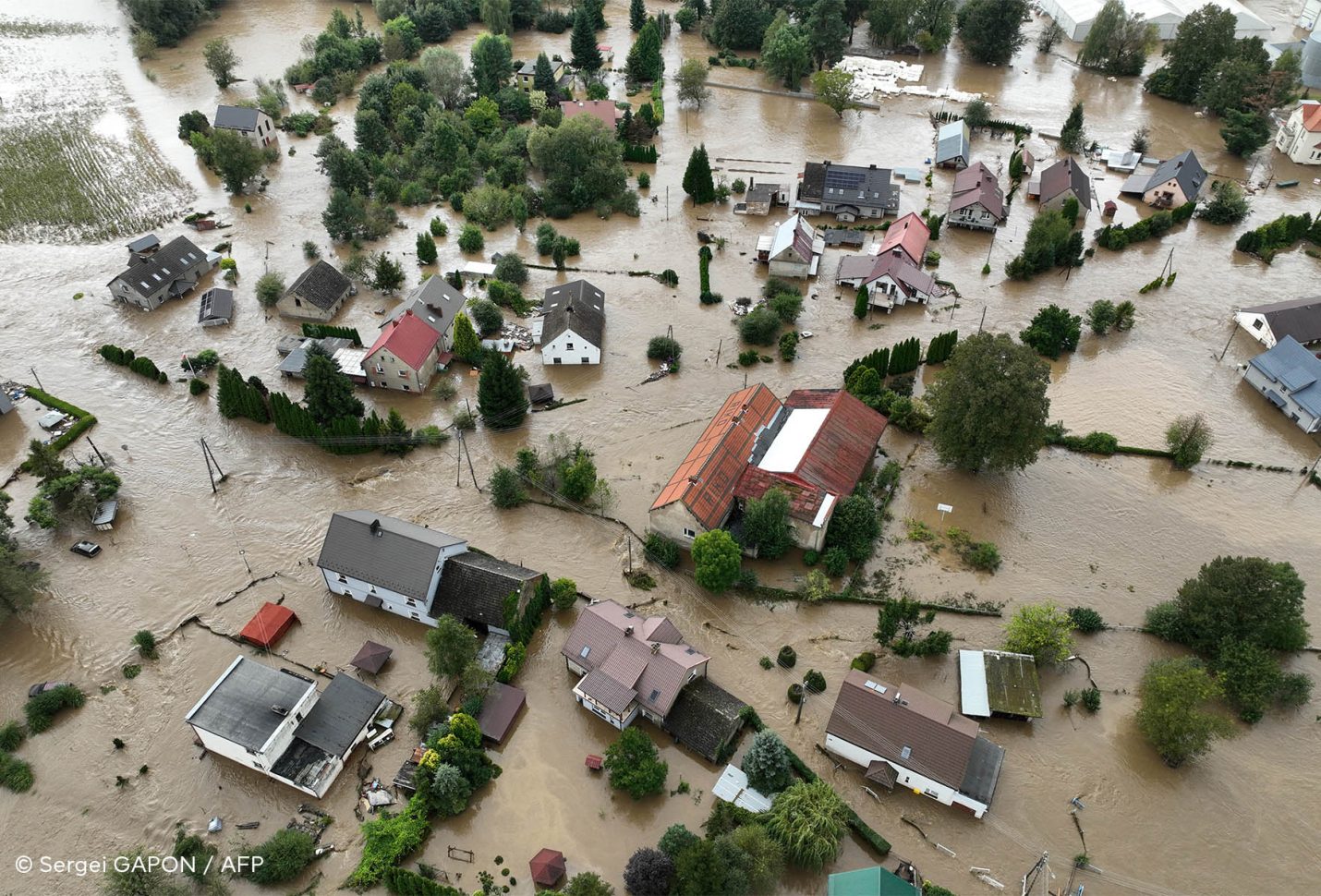
Extreme weather cost companies nearly $3 billion in actual losses in 2025, with businesses now projecting an additional $898 billion in future financial impacts tied to climate-related disruptions, according to new analysis from CDP.
The report found that only 35% of the 11,261 companies disclosing full environmental data through CDP in 2025 identified extreme weather as a material financial risk, despite already reporting major operational and financial damage.
Heavy rain emerged as the biggest single contributor to corporate losses, accounting for $1.5 billion in damages across reporting companies. Increased direct costs totaled $309 million, while operational shutdowns generated another $266 million in losses.
Looking ahead, companies expect climate-related financial risks to escalate sharply, with flooding projected to drive $528 billion in future losses. Cyclones are expected to account for $161 billion, followed by heavy rain at $86 billion.
Nearly half of all disclosed extreme weather risks — around 48% — are expected to materialize within the next two years, placing climate disruption firmly within current business planning and investment horizons.
The largest projected financial impacts include reduced production capacity, estimated at $326 billion, alongside $218 billion tied to asset impairment and early retirement.
The report warned that the financial fallout will extend beyond isolated assets and sectors, affecting interconnected systems businesses rely on, including infrastructure, supply chains, insurance markets, and public services.
Despite the scale of projected losses, CDP said the cost of mitigating environmental risks remains significantly lower than the cost of inaction.
According to CDP’s 2025 Disclosure Dividend report, the median cost of risks per company stood at $39.4 million, compared to only $3.1 million needed to mitigate them — nearly 13 times lower.
The report also highlighted increasing climate pressure on local governments.
Among the 1,005 cities, states, and regions across 80 countries reporting through CDP-ICLEI Track and CDP’s States and Regions questionnaire, 62% said they are already being significantly impacted by extreme weather events.
More than 60% expect hazards such as extreme heat, urban flooding, and drought to intensify further in the future.
Nearly a quarter of reporting governments identified financial and insurance activities as highly exposed to worsening climate hazards.
At the same time, cities are increasingly shifting from climate pledges to adaptation projects aimed at protecting communities and businesses. However, financing remains a major obstacle. More than 60% of reporting governments said they have at least one adaptation project requiring additional funding, revealing a global investment gap of at least $34 billion. Nearly half also cited budget constraints limiting their ability to adapt.
Amir Sokolowski, Global Director of Climate at CDP, said climate-related disruptions are already creating serious financial consequences for businesses worldwide.
“Extreme weather is already a financial risk. It has a dangerous domino effect, disrupting operations, reducing production and driving losses today, with far greater impacts lying ahead.”
He added that fragmented responses are increasing vulnerability across the global economy.
“This is a systemic challenge that no single actor can manage alone. Our report highlights that efforts to address this risk coherently are not sufficiently coordinated and that the gaps in collaboration are significant risk in their own right.”
Sokolowski said stronger coordination between governments, investors, and businesses will be critical to reducing future climate exposure.
“By aligning investment, strengthening shared systems and scaling adaptation — with disclosure as a guide to enable better decisions — businesses and governments can not only reduce risk, but accelerate the transition to an earth-positive, resilient economy.”
CDP urged companies to treat extreme weather as a system-wide business risk, rather than focusing only on individual assets.
The organization also called on subnational governments to improve public disclosure around hazard exposure, infrastructure vulnerabilities, and service disruptions to help reduce uncertainty and unlock private investment.
National governments were urged to better align fiscal, adaptation, and risk-management policies to reduce economy-wide exposure to physical climate risks, while regulators and central banks were encouraged to use supervisory tools to address systemic financial threats linked to uninsured climate risks.
JPMorganChase has pledged approximately $3.5 million to organizations across Greater Boston to expand access to ...
L&G and NTR have secured cornerstone commitments from four returning investors for their second joint ...
French investment firm Hy24 has signed an agreement with EDF Pulse Ventures to acquire Hynamics, ...

Leave a comment