UNDP Egypt Conf. pushes green, digital growth for SMEs, Youth
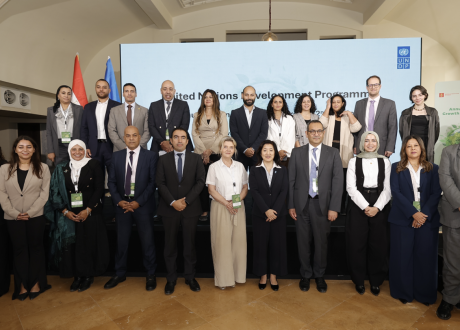
The United Nations Development Program (UNDP) in Egypt convened its second Annual Green Growth Conference ...
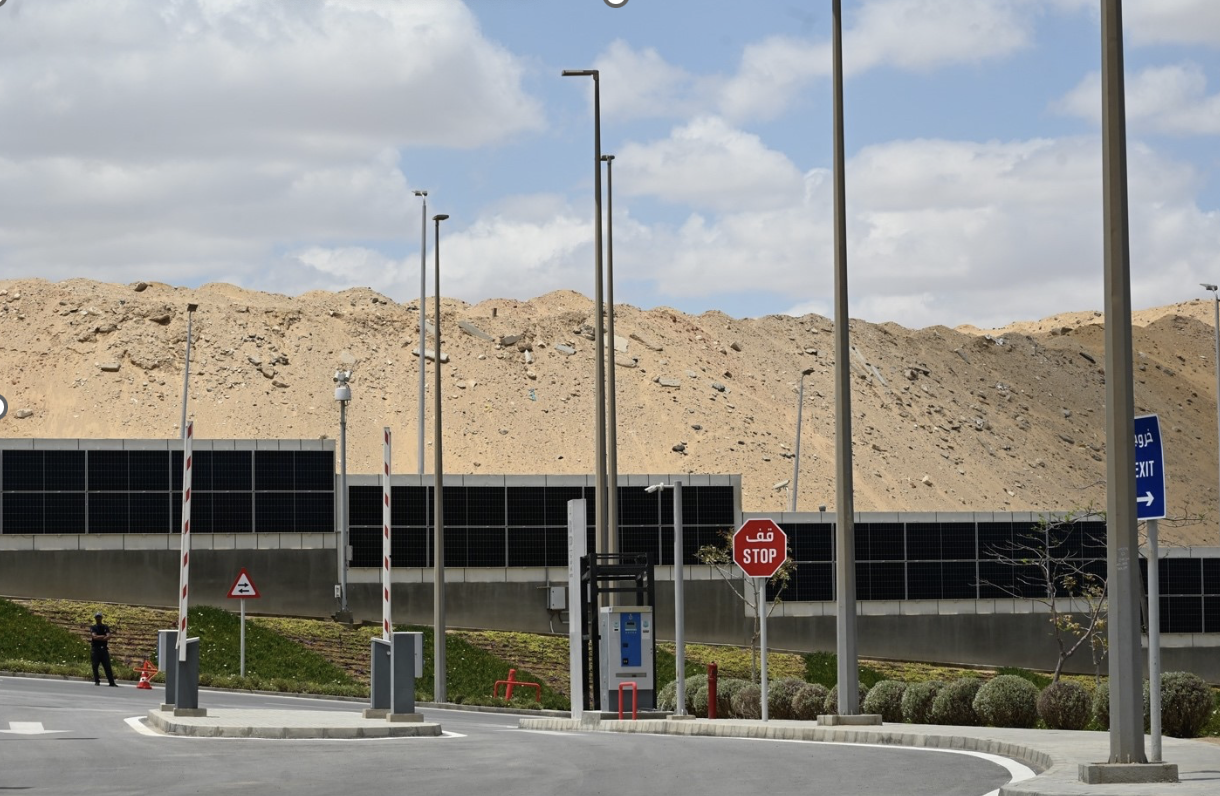
Egypt is stepping up its green tourism ambitions with the inauguration of a new solar power station at the Grand Egyptian Museum (GEM), a project expected to generate approximately 168,000 kilowatt-hours of clean electricity annually as the museum advances its transformation into a global green museum.
The project was inaugurated by Minister of Tourism and Antiquities Sherif Fathy alongside representatives from the United Nations Development Program (UNDP), the Government of Japan, and several Egyptian government entities involved in sustainability and renewable energy initiatives.
The solar station includes photovoltaic cells installed along the museum’s side perimeter wall, in addition to Building-Integrated Photovoltaic (BIPV) technology implemented at the Solar Boats Building. The current phase has a production capacity of 200 kilowatts and is expected to cover around 12% of the museum’s electricity consumption.
Officials said work is underway on an additional solar station that would increase the GEM’s total production capacity to nearly 1 megawatt, supporting operational efficiency and Egypt’s broader transition toward clean energy.
Speaking during the inauguration, Minister Sherif Fathy said the GEM represents a modern cultural institution that integrates heritage preservation with environmental sustainability practices, noting that the transition to clean energy within the tourism sector has become essential to maintaining the competitiveness of Egypt’s tourism destination amid growing global demand for sustainable tourism.
He added that six museums in Egypt have already implemented solar energy systems, while around 50% of hotels and diving centers have incorporated environmental considerations into their operations.
The minister also noted that some of the solar panels used in the project were designed in a marble-like form to align with the museum’s architectural identity, describing it as the first project of its kind in Egypt.
Japan’s Ambassador to Cairo Fumio Iwai said the project reflects the strength of Egyptian-Japanese cooperation and highlights renewable energy as a key pillar of economic collaboration between the two countries.
Meanwhile, UNDP Resident Representative Chitose Noguchi described the station as a practical model for integrating heritage with innovation to support climate action and clean energy goals.
Ahmed Ghoneim, CEO of the Grand Egyptian Museum Authority, said the project forms part of a broader plan to transform the museum into a fully integrated “green museum,” with sustainability measures extending from design and construction to daily operations and management.
He added that the museum is preparing annual carbon footprint reports to monitor emissions generated by its activities and improve environmental performance in line with international sustainability standards.
According to Hazem Fahmy, Executive Director of the Industrial Modernization Center, the station is expected to reduce carbon dioxide emissions by around 79 tons annually, generating direct environmental and economic returns.
He added that cooperation between the Industrial Modernization Center and the UNDP through the “Egypt PV” project aims to create scalable models for expanding solar energy use across multiple sectors while supporting Egypt’s transition toward a green economy under Egypt Vision 2030.
The United Nations Development Program (UNDP) in Egypt convened its second Annual Green Growth Conference ...
JPMorganChase has pledged approximately $3.5 million to organizations across Greater Boston to expand access to ...
L&G and NTR have secured cornerstone commitments from four returning investors for their second joint ...

Leave a comment