
JPMorganChase pledges $3.5mln to boost jobs, small businesses in Boston
JPMorganChase has pledged approximately $3.5 million to organizations across Greater Boston to expand access to ...
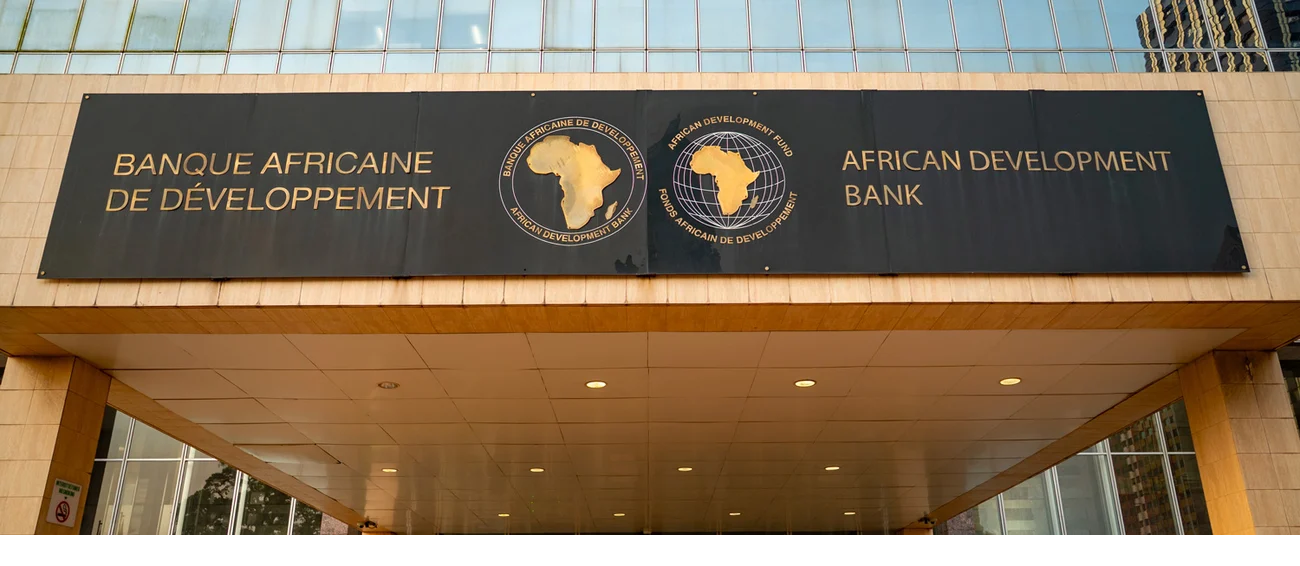
The African Development Bank (AfDB) is backing Morocco’s clean energy ambitions with a €100 million loan for the development of the country’s first integrated lithium iron phosphate (LFP) battery gigafactory, a project set to strengthen electric mobility, renewable energy storage and low-carbon industrial growth in Africa.
The facility, developed by Gotion Power Morocco in the Rabat-Salé-Kénitra Free Trade Zone, will become the first integrated battery manufacturing plant in Africa and the Middle East and North Africa (MENA) region.
AfDB also plans to mobilize up to an additional €141 million from financial partners to support the project, acting as Mandated Lead Arranger under the New African Financial Architecture for Development (NAFAD).
Led by global battery manufacturer Gotion High-Tech, the gigafactory will produce 10 gigawatt-hours (GWh) of battery cells and packs for electric vehicles during its first phase, with plans to expand capacity to 100 GWh.
The investment is expected to position Morocco as a regional hub for electric mobility and green technology manufacturing while supporting Africa’s transition toward a low-carbon economy.
AfDB highlighted battery storage as a critical component of Africa’s clean energy transition, helping integrate renewable sources such as solar and wind into power systems.
“Battery storage is the missing link in Africa’s clean energy transition,” said Kevin Kariuki, AfDB Vice President for Power, Energy, Climate and Green Growth.
“A facility of this scale, powered primarily by renewable energy, strengthens the foundations for the large-scale integration of solar and wind power, which our grids increasingly depend on,” he added.
Kariuki said the project would also create green industrial jobs and build resilient value chains needed to support Africa’s energy transformation.
Beyond clean energy benefits, the gigafactory is expected to create more than 600 direct jobs in its first phase and achieve a local industrial integration rate of 70%, supporting skills development and the growth of local manufacturing capabilities.
“This gigafactory will be a major catalyst for strengthening Morocco’s industrial competitiveness and accelerating its emergence as Africa’s manufacturing hub for sustainable mobility industries,” said Achraf Tarsim, AfDB Country Manager for Morocco.
The project will also help develop an African ecosystem for batteries and electric vehicles while increasing local value addition of critical minerals needed for the global energy transition.
The investment aligns with AfDB’s strategic priorities to accelerate industrialization, strengthen resilient infrastructure, add value to Africa’s natural resources and promote regional integration.
By expanding battery production and energy storage capacity, Morocco’s gigafactory is expected to reinforce Africa’s role in global clean energy and electric vehicle supply chains while supporting wider deployment of renewable energy solutions.
JPMorganChase has pledged approximately $3.5 million to organizations across Greater Boston to expand access to ...
L&G and NTR have secured cornerstone commitments from four returning investors for their second joint ...
French investment firm Hy24 has signed an agreement with EDF Pulse Ventures to acquire Hynamics, ...
Leave a comment