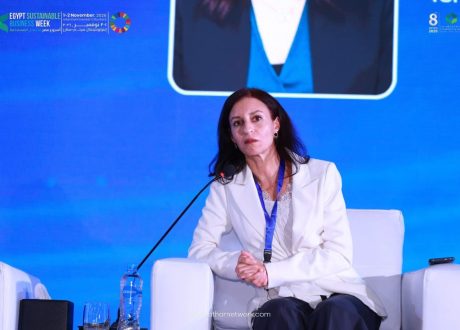
Ghabbour Foundation prepares youth for smart mobility jobs
Aleya Serageldin, Executive Director of the Ghabbour Foundation for Development, said investing in people is ...
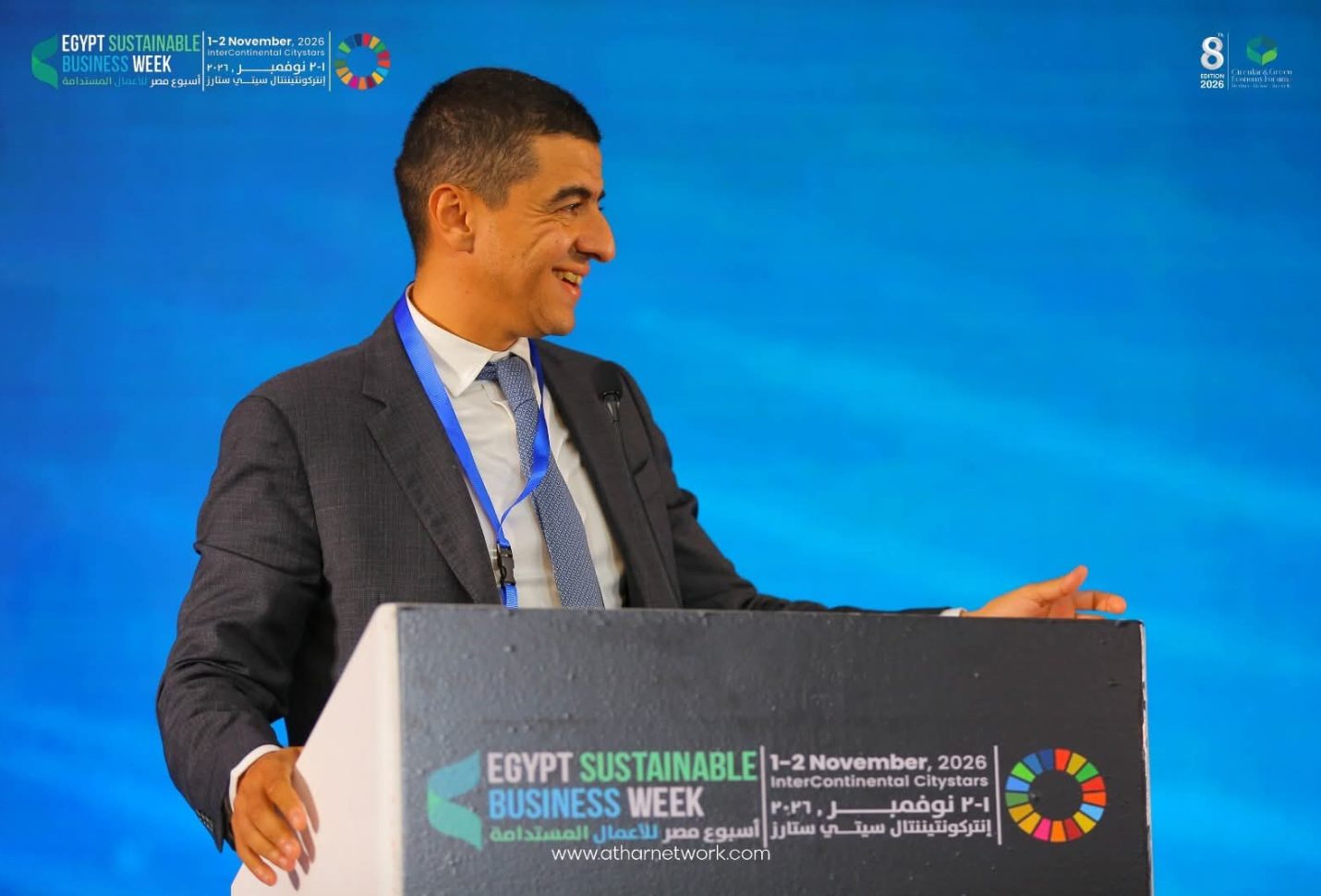
Speaking during an Expert Talk titled “The Journey to the Top: Lessons in Entrepreneurship, Investment & Growth” at Egypt Sustainable Business Week 2026, Nagaty outlined AI applications across sectors, including smart agriculture, crop monitoring through satellite imagery, robotic harvesting, customer service and intelligent automation. These technologies can improve task efficiency while reducing operational resource requirements.
AI reduces operational resource use:
Nagaty said remote working systems and AI agents can reduce the need for commuting, office space and equipment. He cited an example in which around 1,500 operational seats at an organization were replaced with approximately 11 AI agents, supervised by an employee working alongside the systems. The model reduces some conventional operating requirements and their associated resource consumption, he said.
Digital education is another application, allowing providers to reach more learners without building physical facilities. Nagaty said the number of users on one platform he works on grew from around 15,000 to 160,000 through digital service delivery.
AI and digital marketing can also reduce reliance on printed promotional materials and traditional advertising billboards. He said his company’s campaigns generate around 500 million views annually, with a target of reaching 1 billion views next year through digital channels.
AI expands access to services:
On the social dimension of sustainability, Nagaty said AI can improve access for people with disabilities. Image-description tools can help people with visual impairments, while live captioning and translation technologies can support those with hearing impairments, expanding access to education, employment and social participation.
Investing in skills, digital infrastructure:
Nagaty stressed the need to invest in human capital and equip young people with AI skills, noting that Egypt has a large pool of engineering talent that can contribute to the sector’s growth.
He also highlighted opportunities to expand data center projects and technology infrastructure by leveraging solar and renewable energy, particularly in areas with suitable resources such as Aswan.
Nagaty called for wider digital literacy initiatives and training-the-trainer programs to reach more young people in Egypt and across the Arab region. Digital platforms and online broadcasting can extend access to technical knowledge and skills, while AI tools can help identify target audiences and tailor content to their needs.
Aleya Serageldin, Executive Director of the Ghabbour Foundation for Development, said investing in people is ...
Mohamed Nagaty, Tech/AI Investor and Entrepreneur, said artificial intelligence can support sustainability by improving resource ...
Mohamed Gouda, General Manager of Geocycle Egypt and Sustainability Director at Holcim Egypt, said using ...
Leave a comment