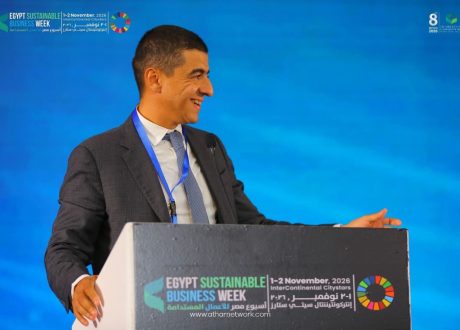
Mohamed Nagaty: AI can boost sustainability, resource efficiency
Mohamed Nagaty, Tech/AI Investor and Entrepreneur, said artificial intelligence can support sustainability by improving resource ...
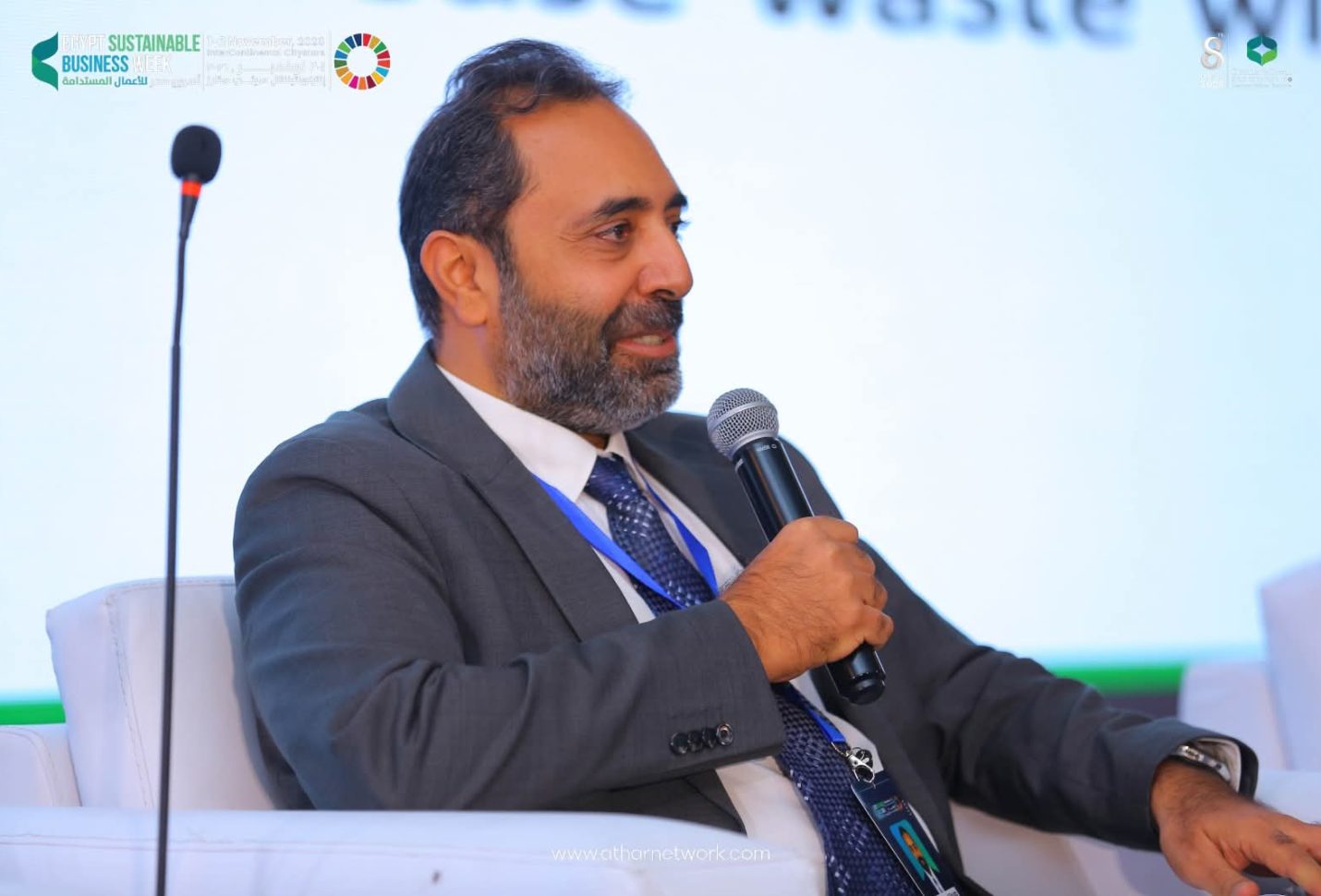
Mohamed Gouda, General Manager of Geocycle Egypt and Sustainability Director at Holcim Egypt, said using alternative fuel and material can help cut the carbon footprint of some cement products by up to 60%.
He said recycling waste for use in energy-intensive industries turns environmental liabilities into economic resources, while reducing reliance on conventional fuels and raw materials and cutting cement production emissions.
Speaking at a session titled “Circular Economy and Resource Efficiency: How Can the Circular Economy Become a Profitability Model for Companies?” during Egypt Sustainable Business Week 2026, Gouda highlighted how reusing waste in production extends resource life cycles while delivering economic and environmental benefits.
Waste as industrial resource:
Gouda said the shift to a circular economy starts with changing how waste is viewed, treating it as a resource that can be recovered and reused rather than discarded. Materials can be reclaimed and recycled after products reach the end of their useful life, giving them a new purpose.
Turning waste into alternative fuel requires collection, sorting and processing to meet technical standards for use in energy-intensive industries, particularly cement manufacturing, he said.
Geocycle, a Holcim subsidiary, supplies alternative fuels and raw materials for cement production. These fuels reduce reliance on conventional energy sources, including coal, natural gas and heavy fuel oil, which carry high carbon footprints.
Construction and demolition waste can also partially replace natural raw materials in cement production, reducing the need to extract resources from quarries.
Lower-carbon cement products:
Gouda said some of the company’s cement products have achieved carbon-footprint reductions of 50%-60% compared with conventional cement, enhancing their competitiveness in European markets amid the implementation of the EU Carbon Border Adjustment Mechanism (CBAM) from January 2026, which requires carbon emissions from products to be measured.
He added that adopting alternative fuels also requires training plant operators and equipping them with the skills to handle the fuels’ technical and operational requirements.
Mohamed Nagaty, Tech/AI Investor and Entrepreneur, said artificial intelligence can support sustainability by improving resource ...
Mohamed Gouda, General Manager of Geocycle Egypt and Sustainability Director at Holcim Egypt, said using ...
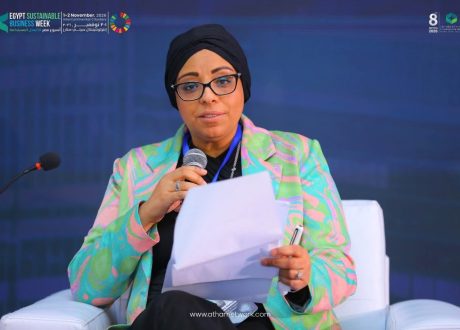
Marwa Al-Ansary, Global Energy & Carbon Technology Expert, highlighted studies showing that digital technologies could ...
Leave a comment