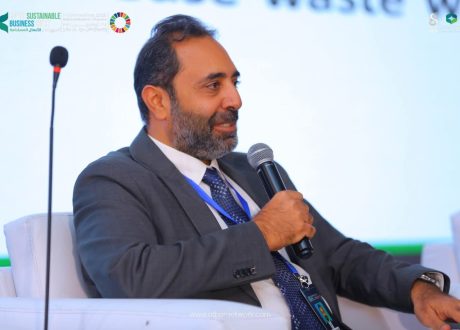
Geocycle manager: Alternative fuels can cut cement emissions by up to 60%
Mohamed Gouda, General Manager of Geocycle Egypt and Sustainability Director at Holcim Egypt, said using ...
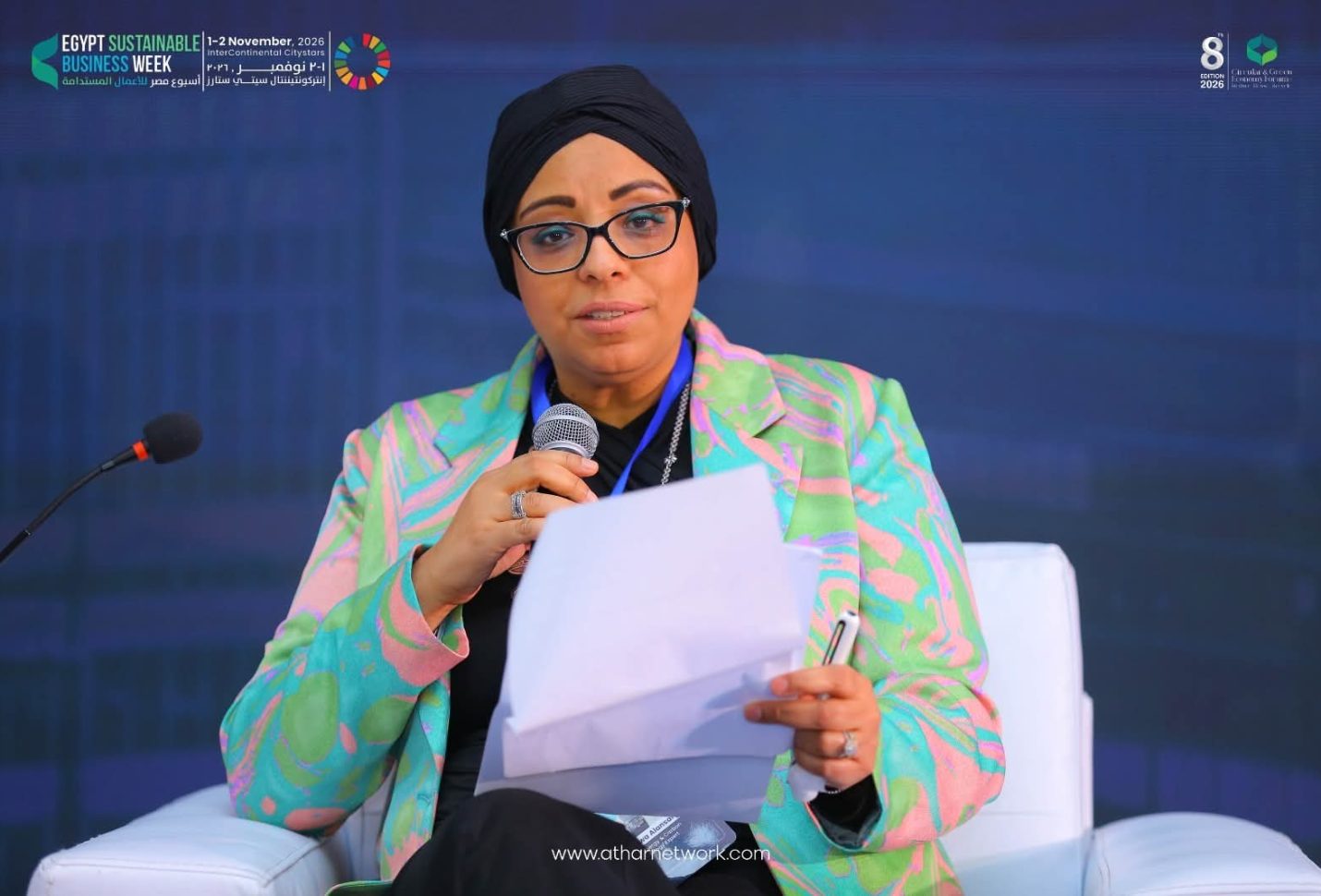
Marwa Al-Ansary, Global Energy & Carbon Technology Expert, highlighted studies showing that digital technologies could reduce carbon emissions across major sectors by 4%-10% by 2030, with cuts reaching 20% in some applications through improved resource management and operational efficiency.
Ansary said digital transformation and artificial intelligence (AI) can accelerate the shift to a circular economy, strengthen corporate competitiveness and improve supply-chain resilience.
Speaking at an Expert Talk titled “From Carbon to Value: How Can Digital Solutions Support the Circular Economy and Supply Chain Competitiveness?” during Egypt Sustainable Business Week 2026, Al-Ansary said carbon management has evolved from an environmental and regulatory obligation into an economic tool that can create value, cut costs, improve operational efficiency and attract investment.
The global approach to carbon is shifting from viewing emissions as a burden and source of risk to treating them as an investment opportunity and driver of growth, she said. The challenge now is to accelerate the deployment of technologies and translate their potential into economic returns.
Al-Ansary brings around 20 years of experience in the energy sector, spanning renewable energy, direct air capture of carbon dioxide, cooling and lubrication technologies, biofuels and sustainable aviation fuel.
She has since launched a startup that converts carbon dioxide into carbon nanotubes for potential use in batteries, aerospace, defense, iron and steel, cement and tire manufacturing.
Digital technologies accelerate innovation:
Al-Ansary said the startup combines physical technologies with digital solutions. Machine learning can help identify and develop new materials, while virtual reality and digital twins enable researchers to simulate experiments before moving to laboratory testing.
These tools can shorten development cycles and speed up results, she said, warning that companies that delay adopting new technologies risk losing competitive and investment opportunities.
She added that carbon management and environmental, social and governance (ESG) standards are increasingly linked to business growth, helping companies improve efficiency, strengthen resilience, reduce costs and advance circular-economy practices.
Verified environmental data can also improve access to finance, as banks and lenders increasingly assess sustainability and governance indicators when making financing decisions. Digital tools can speed up data verification and assessment, potentially helping companies secure more favorable financing terms.
Al-Ansary warned against greenwashing, stressing that exporters targeting European and other markets with strict environmental requirements must provide credible evidence of their environmental performance. Failure to do so could undermine their competitiveness and access to those markets.
Egyptian companies urged to accelerate digital adoption:
Citing a recent Boston Consulting Group report on AI and digital transformation adoption, Al-Ansary said Egypt remains at an early stage of adopting these technologies, pointing to significant opportunities for local companies to capture their economic and industrial benefits.
She urged businesses to identify practical applications that deliver measurable returns, while cautioning against treating AI as a one-size-fits-all solution. Technology investments should reflect each company’s operational needs and objectives, she said, warning that poorly selected applications can become a financial burden.
Describing data as the “new oil” of the modern economy, Al-Ansary said its accurate and timely analysis can reveal waste in energy use, including cooling and lighting, as well as raw material consumption. This allows companies to act quickly to lower costs, resource use and emissions.
However, measuring carbon footprints and preparing environmental reports are not enough, she stressed. Recording emissions without addressing them amounts to regulatory compliance; the real value comes from using data to guide operational and investment decisions that improve performance and generate returns.
Digital tools for more sustainable operations:
Al-Ansary outlined several digital applications companies can adopt based on their business needs, either by using existing solutions or building internal capabilities through employee training.
Predictive tools, she said, can analyze large datasets and use AI models to anticipate scenarios and assess how geopolitical and economic developments could affect business operations and supply chains.
Monitoring and detection technologies are equally important, as emissions calculations often rely on assumptions and estimated emission factors that need verification.
Al-Ansary said she is working with the International Chamber of Commerce as a carbon expert on a new emissions-measurement framework to enable more accurate comparisons between industrial products, such as a ton of iron produced in Egypt and one produced in India, using reliable data.
She stressed that estimates alone cannot accurately reflect environmental performance, highlighting the role of the Internet of Things, sensors and computer vision in monitoring industrial processes, tracking emission sources in real time and verifying data for business decision-making.
Mohamed Gouda, General Manager of Geocycle Egypt and Sustainability Director at Holcim Egypt, said using ...
Marwa Al-Ansary, Global Energy & Carbon Technology Expert, highlighted studies showing that digital technologies could ...
Irene Samy, Director of the Industrial Engineering Program and Smart Engineering Systems Center, Nile University, ...
Leave a comment