World Bank Group launches hub to scale philanthropic funding
The World Bank Group has launched a new platform to strengthen collaboration with philanthropic organizations ...

Meta has signed a three-year deal with US plastics recycling startup MacroCycle to support development of its first commercial plant, which is expected to produce 5,000 metric tons of recycled plastic annually with 80% fewer carbon emissions than virgin PET.
Under the agreement, Meta will pay MacroCycle for environmental attribute credits (EACs) linked to emissions avoided by using recycled plastic instead of virgin PET. A Meta spokesperson confirmed that the deal is the company’s first of its kind.
Supporting plant development:
The EAC payments will provide MacroCycle with an additional revenue stream to help finance construction of the new plant in the United States.
Cambridge, Massachusetts-based MacroCycle has developed a process that removes contaminants from PET waste, making the recycled material more suitable for customers.
Recycling technology:
The company’s process dissolves and purifies PET from various waste streams, including textiles, before reforming the plastic polymers into higher-quality material.
MacroCycle uses solvents rather than heat to process the plastic, which the company says is a major source of its energy savings and could also reduce production costs.
The resulting material is indistinguishable from new plastic, according to the startup.
Meta supply chain:
Meta’s interest in the deal extends beyond the emissions credits, as the company seeks to help develop a market for lower-carbon materials used across its supply chain, including packaging and hardware.
Greater availability of such materials could help reduce the company’s overall carbon footprint, according to Meta.
Expansion plans
MacroCycle is currently seeking buyers for the recycled material that its first plant will produce.
Co-founder and CEO Stwart Peña Feliz said the agreement with Meta could help the startup secure additional commercial deals.
Future plants are expected to have an annual production capacity of 50,000 metric tons, he added.
The World Bank Group has launched a new platform to strengthen collaboration with philanthropic organizations ...
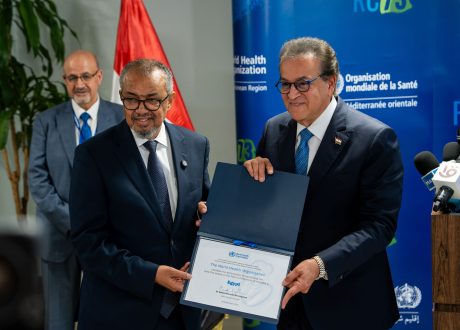
The World Health Organization (WHO) has officially validated Egypt’s maintenance of its Gold Tier status ...
Vodafone Foundation’s Hi Digital program is helping people aged over 65 improve their digital wellbeing, ...

Leave a comment