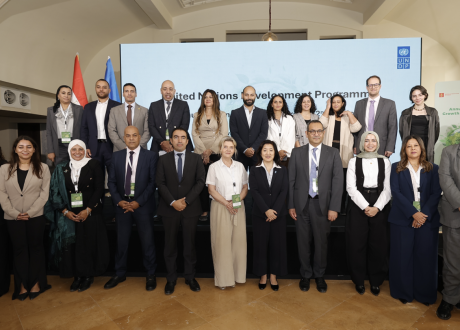
UNDP Egypt Conf. pushes green, digital growth for SMEs, Youth
The United Nations Development Program (UNDP) in Egypt convened its second Annual Green Growth Conference ...
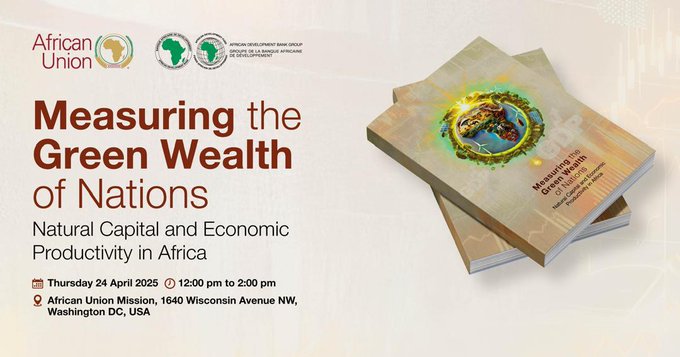
The 2025 report “Measuring the Green Wealth of Nations: Natural Capital and Economic Productivity in Africa” highlighted that Africa’s abundant natural resources provide essential environmental services to the world. The services include carbon sequestration, pollution control and retention of water and soil fertility.
Yet, the values of these public good services are typically unmeasured, leading to an underestimation of African economies amidst an abundance of green wealth.
The report added that investing in measurement and proper valuation of natural capital and integrating the values of its services in the system of national accounts will help estimate the true value of Africa’s green wealth.
It added that proper valuation of natural capital could also optimize the size of Gross Domestic Product (GDP) of some countries and improve their credit ratings, thereby helping to unlock additional financing for investments in green transitions and sustainable development goals.
The report said that the African Development Bank, in collaboration with several African countries and the African Union Commission, is actively promoting and leading the discussion and advocacy on proper valuation of Africa’s green wealth and the incorporation of its public good services in GDP.
It added that the implementation of Natural Capital Accounting has been piecemeal in Africa. The Bank’s high-level policy report proposes an agenda for full implementation of green national accounts and policies in African countries.
Africa possesses significant natural capital crucial for sustainable development, including vast clean energy potential, arable land, marine resources, and the world’s second largest and longest rivers (the Congo and the Nile). The continent is home to immense biodiversity and tropical rainforests. It also holds considerable non-renewable natural resources such as minerals, oil, gas, and coal. In 2018, Africa’s measured natural capital was estimated at about $ 6.2 trillion.
Yet, Africa’s green wealth and the important global public ecosystem services that it provides to the world are often overlooked in economic valuations, leading to a possible and significant underestimation of African countries’ Gross Domestic Product (GDP), amidst an abundance of green wealth. Africa’s green wealth is also unaccounted for in a context where African nations need $ 250 billion annually by 2030 to implement their Nationally Determined Contributions plans but only receive about$ 29.5 billion each year. In effect, therefore, Africa is nature rich but cash poor, with the implication that the continent will continue to lag other regions on most dimensions of development.
The United Nations Development Program (UNDP) in Egypt convened its second Annual Green Growth Conference ...
JPMorganChase has pledged approximately $3.5 million to organizations across Greater Boston to expand access to ...
L&G and NTR have secured cornerstone commitments from four returning investors for their second joint ...
Leave a comment