Google, NASA AI model detects 23,000 additional methane plumes globally
Google and NASA’s Jet Propulsion Laboratory (JPL) have introduced an AI model that can track ...
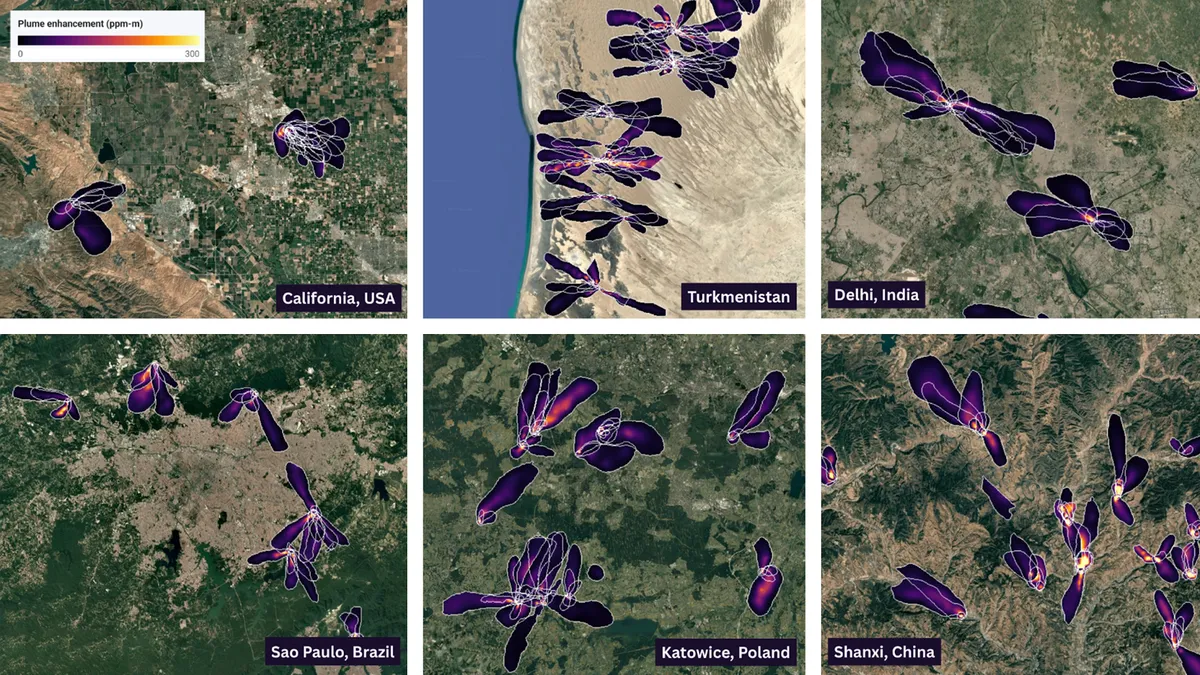
Google and NASA’s Jet Propulsion Laboratory (JPL) have introduced an AI model that can track methane emissions globally from space, detecting more than 23,000 additional methane plumes and 50% more plumes than human experts.
The MAPL-EMIT model, detailed in a new study published in PNAS, uses data from NASA’s EMIT instrument to identify methane emissions across complex and noisy terrain, helping researchers and operators locate major sources for targeted climate action.
AI boosts methane detection:
MAPL-EMIT was trained on 3.6 million physics-simulated methane plumes — clouds of methane gas released into the atmosphere — to improve the detection of emissions from space.
The model detected 50% more plumes than human experts and identified 24 of the world’s 25 largest-emitting landfills.
Methane poses major climate risk:
Methane is a potent greenhouse gas with a global warming potential around 30 times that of carbon dioxide over a 100-year timeframe.
By making methane sources easier to detect at scale, the model could help accelerate efforts to identify and target major emissions sources.
Global database released:
Google has released the global methane plume database through Earth Engine, alongside an app for visualizing the data.
The company has also made open-source models available on Kaggle and released inference tools on GitHub to support researchers, policymakers and operators working on methane emissions.
Google and NASA’s Jet Propulsion Laboratory (JPL) have introduced an AI model that can track ...
The Global Cooling Pledge has launched a global heat resilience roadmap and a new manufacturing ...
Google has signed a new partnership with Terradot to support climate action across more than ...


Leave a comment