JPMorganChase pledges $3.5mln to boost jobs, small businesses in Boston
JPMorganChase has pledged approximately $3.5 million to organizations across Greater Boston to expand access to ...
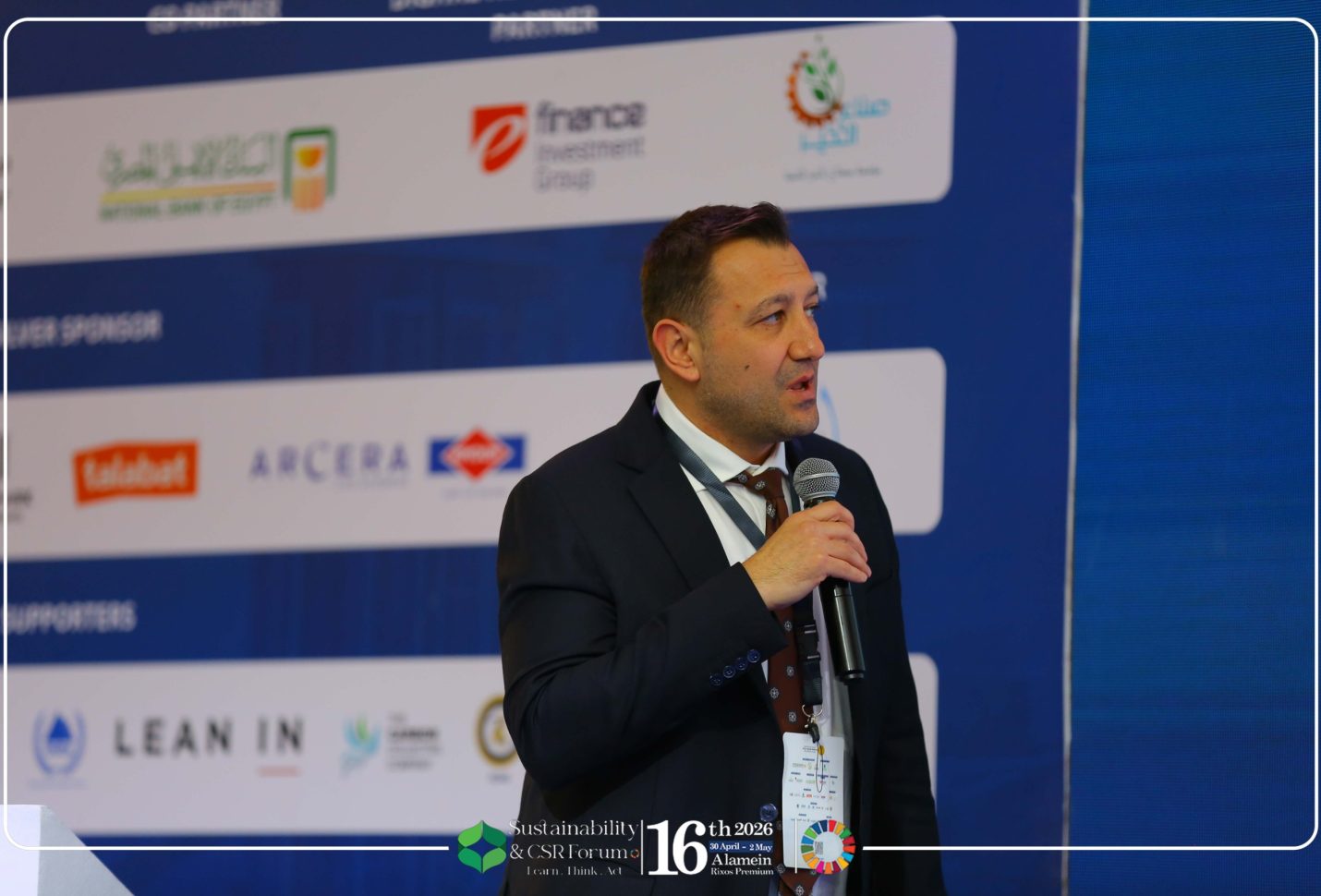
Gürhan Mamaklıoğlu, Senior Green Finance Expert at Frankfurt School of Finance and Management, said transforming conventional buildings into green buildings is no longer a technical or financial challenge, but “a matter of coordination between policies, finance, skills, and supply chains,” rather than an added cost.
He made the remarks during the 16th Corporate Social Responsibility and Sustainable Development Conference (16th CSR Egypt and Sustainability Conference) under the theme of “The Right Place to Ask the Right Questions… Ask and Act”.
Mamaklıoğlu said buildings consume around 40% of total global energy and account for nearly 20% of global electricity use, largely driven by cooling systems, making the sector one of the largest contributors to emissions.
He added that the situation in Egypt highlights the importance of the issue, as the construction sector represents a significant share of GDP and emissions, requiring faster progress toward sustainable buildings.
The expert said the belief that green construction is more expensive is a “common myth,” explaining that green finance reduces the cost of capital rather than increasing construction costs.
He cited examples from Turkey, where interest rates on green financing were lower than the additional cost of green construction.
“The real challenge lies in the lack of coordination between stakeholders, not in the availability of technology or capital,” he said. “The money exists, the technology exists, but what is missing is structured linkage between them.”
Mamaklıoğlu pointed to green finance mechanisms such as green mortgages and energy efficiency certificates, which have expanded following early adoption in Turkey and are now being replicated across multiple markets.
He also referenced international initiatives, including programs by the International Finance Corporation, supporting the transition to sustainable buildings in emerging markets, including Egypt.
The Frankfurt School expert stressed that transitioning to sustainable construction does not require isolated pilot projects, but an integrated system built on five pillars: policy, finance, skills, supply chains, and demonstration.
He said aligning these elements can accelerate the shift from limited pilots to large-scale market adoption, adding that “the green building challenge is a coordination challenge before it is an investment challenge.”
He concluded that demand for green buildings is shaped not only by consumers, but primarily by financing policies and institutional capital allocation, with global markets increasingly repricing real estate based on sustainability performance.
JPMorganChase has pledged approximately $3.5 million to organizations across Greater Boston to expand access to ...
L&G and NTR have secured cornerstone commitments from four returning investors for their second joint ...
French investment firm Hy24 has signed an agreement with EDF Pulse Ventures to acquire Hynamics, ...
Leave a comment