
JPMorganChase pledges $3.5mln to boost jobs, small businesses in Boston
JPMorganChase has pledged approximately $3.5 million to organizations across Greater Boston to expand access to ...
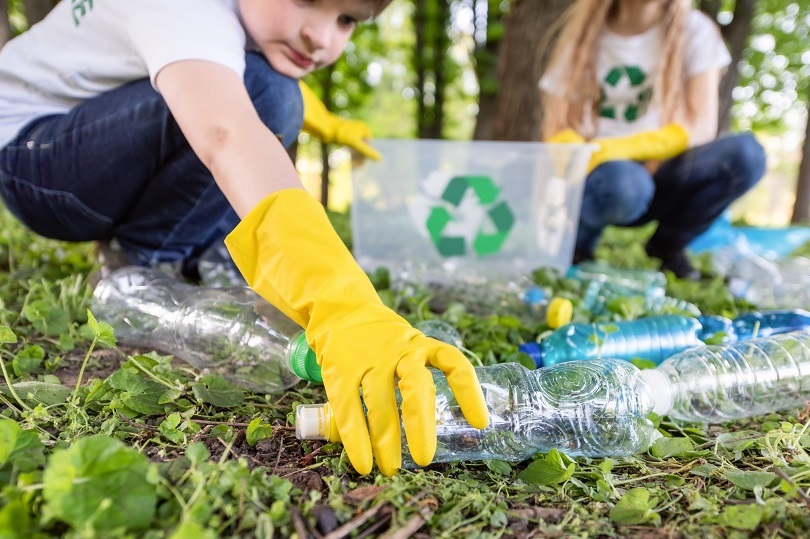
The European Union has formally adopted a regulation on packaging and packaging waste. The new rules will significantly reduce the generation of packaging waste by setting binding re-use targets, restricting certain types of single-use packaging and requiring economic operators to minimize the packaging used. The regulation covers the full life cycle of packaging.
The new rules set 2030 and 2040 targets for a minimum percentage of recycled content (up to 65% for single use plastic bottles by 2040)
The rules also aim at minimizing the weight and volume of packaging and avoiding unnecessary packaging in addition to minimizing substances of concern, including restricting placing on the market food contact packaging containing per- and polyfluorinated alkyl substances (PFAS) if they exceed certain thresholds
Labeling, marking and information requirements (e.g. on material composition or recycled content) should facilitate consumer sorting and consumer choices.
The new rules introduce restrictions on single-use plastic packaging for pre-packed fruit and vegetables of less than 1.5 kg, food and beverages filled and consumed within hotels, bars and restaurants, as well as individual portions of condiments, sauces, milk creamer and sugar in hotels, bars and restaurants.
The rules also set restrictions on small, single-use cosmetic and toiletry products used in the accommodation sector (e.g. shampoo or body lotion bottles) alongside very lightweight plastic bags (e.g. those offered at markets for bulk groceries).
The regulation sets new binding re-use targets for 2030 and indicative targets for 2040. The targets vary depending on the type of packaging used by operators (for instance, binding targets of 40% for transport and sales packaging and 10% for grouped packaging).
According to the new rules, take-away businesses will have to offer customers the possibility of bringing their own containers to be filled with cold or hot beverages or ready-prepared food, at no additional charge.
The formal adoption by the Council today marks the final step in the ordinary legislative procedure. The regulation will now be published in the EU’s Official Journal and will enter into force. The regulation will be applied 18 months after the date of entry into force.
JPMorganChase has pledged approximately $3.5 million to organizations across Greater Boston to expand access to ...
L&G and NTR have secured cornerstone commitments from four returning investors for their second joint ...
French investment firm Hy24 has signed an agreement with EDF Pulse Ventures to acquire Hynamics, ...

Leave a comment