
Meta backs MacroCycle plant targeting 5,000 tons of recycled plastic, 80% lower emissions
Meta has signed a three-year deal with US plastics recycling startup MacroCycle to support development ...
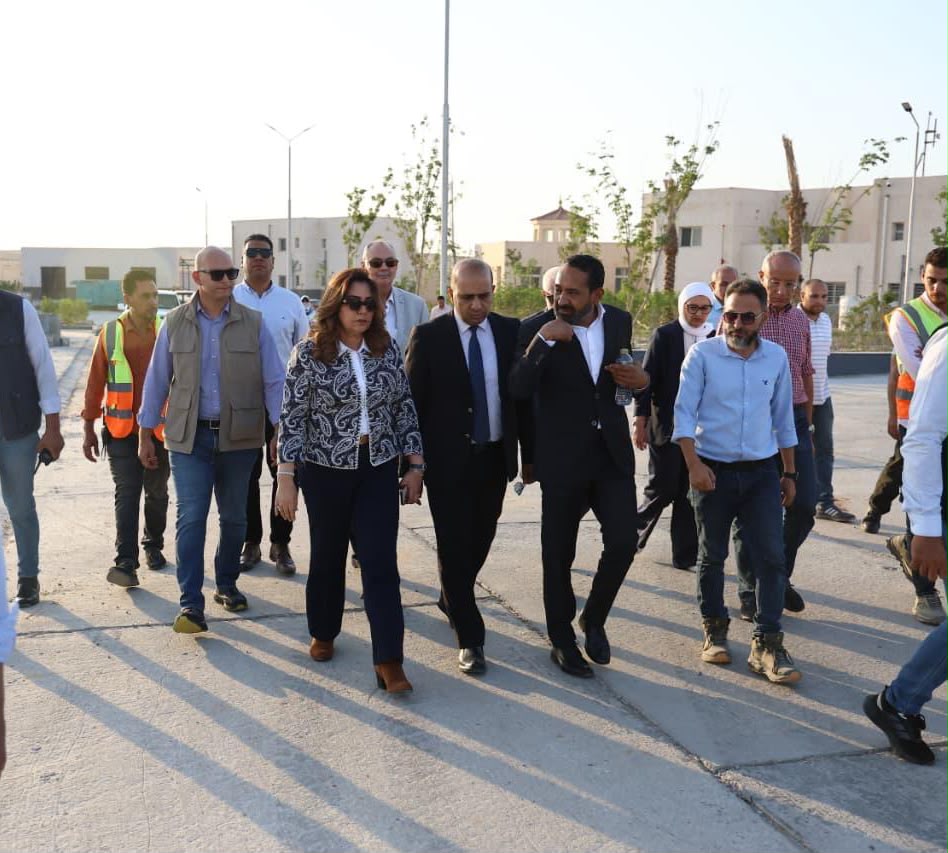
Egypt is advancing one of the Middle East’s largest waste treatment projects with the integrated waste management city in 10th of Ramadan, a recycling hub designed to process 4,000 tons of waste daily, create more than 3,500 jobs and support the country’s green economy goals.
Local Development and Environment Minister Manal Awad has inspected the project as part of ongoing government efforts to ensure safe, organized and sustainable waste treatment in line with international standards.
The city is being implemented under the “Greater Cairo Air Pollution and Climate Change Management Project” funded by the World Bank and covers a total area of 1,228 feddans allocated for Cairo and Qalyubia governorates and the New Urban Communities Authority.
During her visit, Minister Manal Awad reviewed operations at the Egyptian Company for Integrated Waste Management (ECWM) facility, which covers 50 feddans and receives solid waste from Cairo Governorate.
With a processing capacity of up to 4,000 tons per day, the facility uses advanced waste treatment technologies to produce organic fertilizer and refuse-derived fuel (RDF), which is used in cement production.
The project also includes a 60-feddan sanitary landfill for the safe disposal of treatment residues, with systems for receiving, compacting and covering rejected waste generated from processing operations.
The integrated waste management city is expected to create more than 3,500 direct and indirect job opportunities while supporting capacity building for around 1,500 people.
Minister Manal Awad highlighted the role of private-sector partnerships in managing and operating waste projects, pointing to the ECWM facility as a model for cooperation through design, construction, financing and operation.
She said these projects represent a shift in waste management by reducing harmful emissions, maximizing the use of waste through treatment and recycling, and supporting Egypt’s green economy.
The integrated waste city includes several infrastructure components designed to support sustainable operations, including a solar energy system, a 14,500-cubic-meter underground water tank, a modern communications system and an integrated unit for wastewater treatment and reuse.
The project is expected to contribute to reducing greenhouse gas emissions by improving waste management practices and eliminating unsafe disposal methods that negatively affect the environment and public health.
The city will include dedicated facilities for treating municipal, hazardous and medical waste, as well as a site for construction and demolition waste treatment, which will be offered for investment through public-private partnerships.
Minister Manal Awad directed officials to accelerate the completion of infrastructure and facilities within the project, while allocating sites for private-sector participation in safe waste treatment and recycling activities.
The project is also part of Egypt’s plan to close illegal dumpsites, including the El-Obour dump, which has stopped receiving waste ahead of its safe closure and environmental rehabilitation.
By expanding recycling, waste treatment and resource recovery, the integrated waste management city aims to improve environmental conditions, support public health and strengthen Egypt’s transition toward sustainable waste management.
Meta has signed a three-year deal with US plastics recycling startup MacroCycle to support development ...
Catalyst Mobility, formerly CALSTART, and Smart Freight Center announced that a coalition of major cargo-owning ...
The REEFS Business Incubator, Egypt’s first business incubator dedicated to startups and SMEs working to ...
Leave a comment