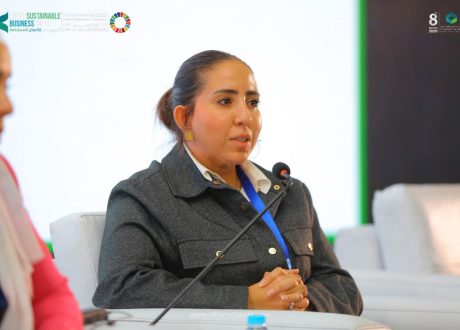
ADCB Egypt shifts sustainability focus to financing, client support
Merham Yousri, General Manager – Head of Sustainability at Abu Dhabi Commercial Bank – Egypt ...
Cities account for around 70% of global greenhouse gas emissions and consume more than 75% of global energy, while building construction alone generates around 37% of emissions, making the construction sector a key area of focus in efforts to achieve sustainability goals.
Cutting construction’s carbon footprint:
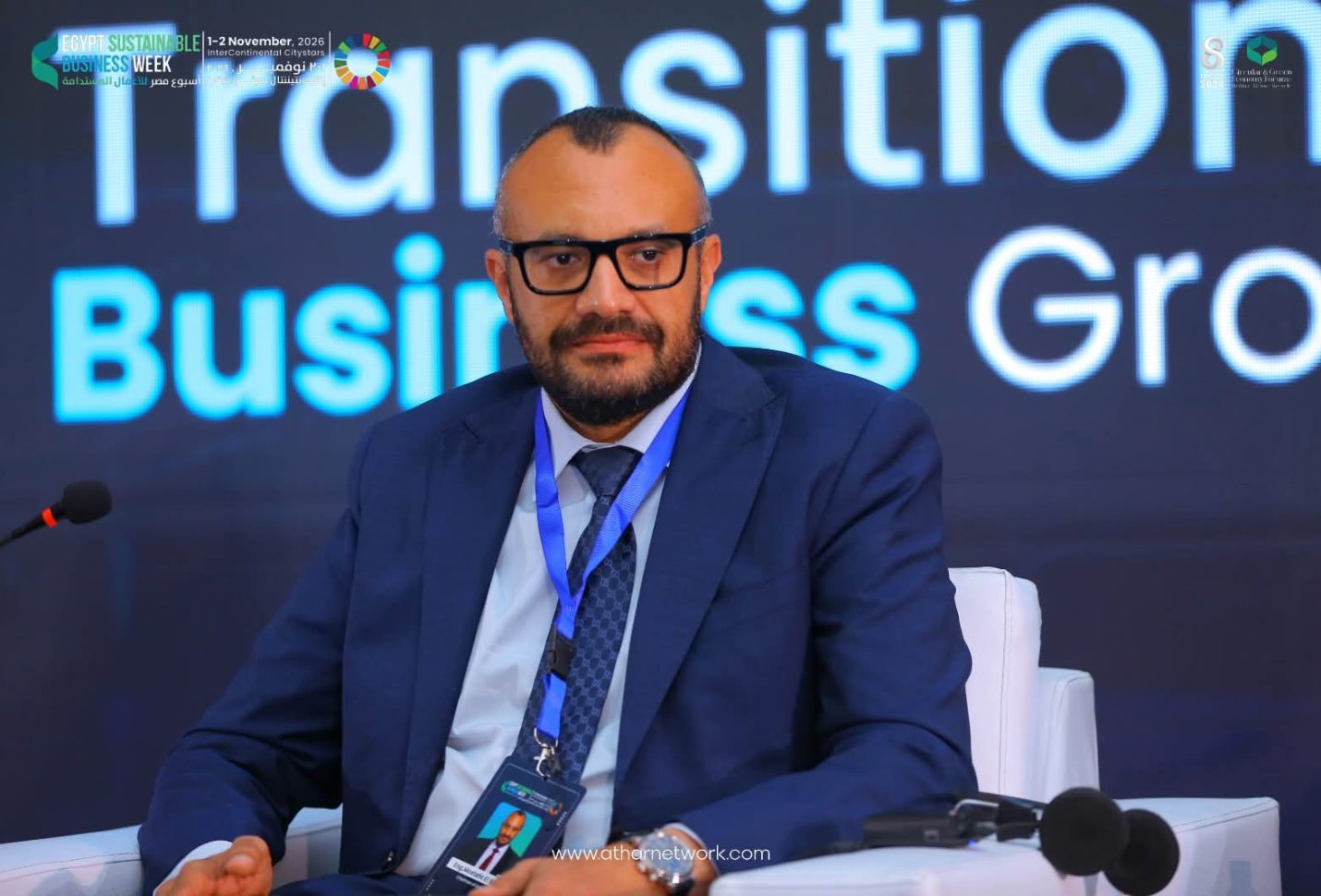
El-Samra highlighted the need for Egypt’s urban expansion to go beyond accommodating population growth and focus on creating sustainable, resilient cities capable of adapting to future challenges.
He noted that discussions on smart cities often focus on renewable energy and emissions from building operations, while giving less attention to the carbon footprint of construction materials and building processes.
Reducing these emissions requires integrating low-carbon considerations into urban planning and building design, particularly through the use of materials and construction methods with a lower environmental impact.
Cement production accounts for around 7–9% of global carbon emissions, while steel and aluminum production together account for around 2%, underscoring the importance of reducing the embodied carbon of construction materials.
Expanding use of steel structures:
Lightweight steel structures can reduce the use of concrete and lower the environmental footprint of construction. Although already widely used in factories and warehouses, these systems also have potential for broader application in multistory buildings, malls and retail developments.
Their shorter construction time and lower structural weight offer both environmental and operational advantages.
Building on Egypt’s steel industry:
Egypt has an established steel industry, including direct reduced iron (DRI) plants operated by Ezz Steel, Suez Steel and Beshay Steel, with a combined production capacity of around 7.2 million tons.
DRI plants rely on natural gas for around 80% of their operations, while other steel producers use scrap-based electric arc furnace (EAF) technology.
These industrial capabilities and modern production technologies provide a foundation for expanding the use of steel solutions in sustainable urban development.
Greater use of Egypt’s existing industrial capacity and construction expertise could support the development of lower-carbon buildings and future-ready cities.
Merham Yousri, General Manager – Head of Sustainability at Abu Dhabi Commercial Bank – Egypt ...
Steel structures can reduce construction time by 23% and building weight by 55%, offering a ...
Maali Khader, Founder and CEO of Schema, said Egyptian companies’ readiness for sustainable exports increasingly ...

Leave a comment