Petrochemical emissions could rise 50% by 2050, Sheffield study finds
Greenhouse gas emissions from the global petrochemical industry could rise by around 50% by 2050 ...
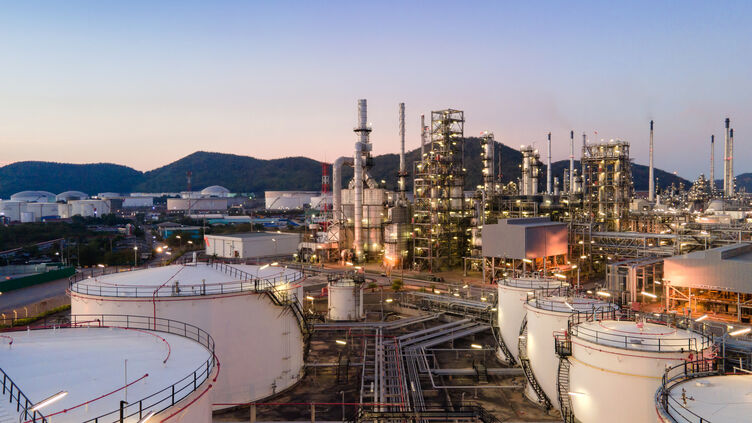
Greenhouse gas emissions from the global petrochemical industry could rise by around 50% by 2050 under a business-as-usual scenario, according to new research from the University of Sheffield.
Published in Nature Sustainability, the study provides the most detailed assessment to date of emissions from the petrochemical sector, mapping greenhouse gas emissions from more than 37,000 production facilities and process units worldwide.
Emissions concentrated:
The research found that 53% of the industry’s emissions come from just 10% of the facilities studied, highlighting where targeted decarbonization efforts could have the greatest impact.
Ethylene and ammonia were identified as the largest emitters among the major primary chemicals analyzed. Both are widely used in products including plastics, food packaging, fertilizers and household cleaning products.
Targeted decarbonization:
By mapping emissions at the facility, product, process and country levels, the study identifies where emissions are concentrated and could help industry and policymakers prioritize measures such as efficiency improvements, electrification, feedstock changes, carbon capture and storage, and process changes.
The researchers also developed an open-access dashboard to help industry, policymakers and researchers identify emissions sources and design interventions to make the sector more sustainable.
No single solution:
Dr Fanran Meng, Senior Lecturer in Sustainable Chemical Engineering at the University of Sheffield and lead author of the study, said:
“Unfortunately, given the complexities of the petrochemical industry and the crucial role it plays in underpinning many of the everyday products that modern society is built on, there is no silver bullet.”
“Even an extremely optimistic scenario combining substantial electricity grid decarbonisation, complete deployment of eligible carbon capture and storage and sufficient bio-based feedstocks still does not take the sector to net zero by 2050. Reducing demand for petrochemical products must be part of the solution, alongside cleaner production, which the data from this study could assist with.”
Greenhouse gas emissions from the global petrochemical industry could rise by around 50% by 2050 ...
The Global Reporting Initiative (GRI) expanded its sustainability reporting standards and implementation support across global ...
EgyptAir Ground Services has secured ISO 14001:2015 certification for environmental management, alongside international certifications for ...


Leave a comment