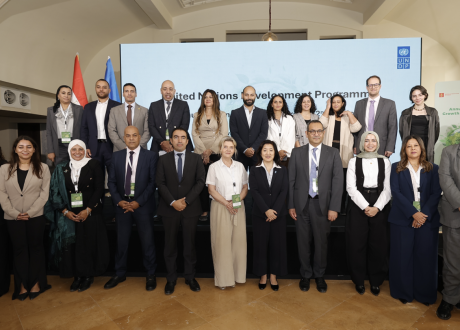
UNDP Egypt Conf. pushes green, digital growth for SMEs, Youth
The United Nations Development Program (UNDP) in Egypt convened its second Annual Green Growth Conference ...
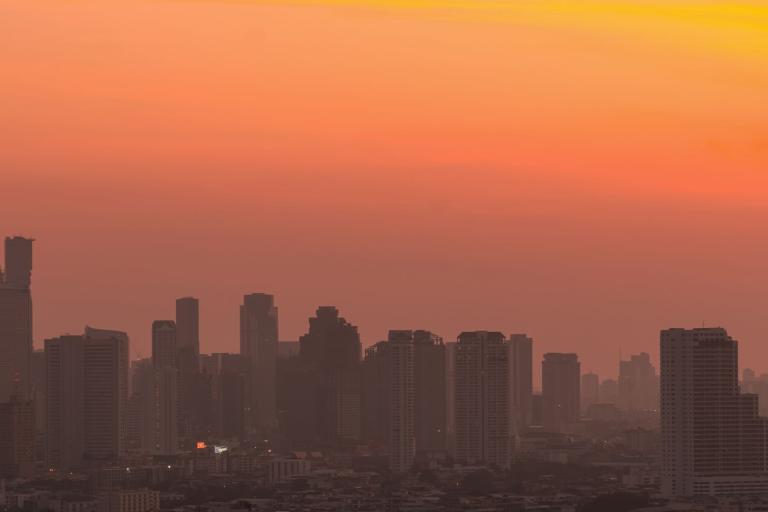
The World Meteorological Organization (WMO) has raised the likelihood of an El Niño event developing during the June-August 2026 period to 80%, warning that the climate phenomenon could intensify weather extremes and heighten risks for economies, communities, and climate-sensitive sectors worldwide.
According to the latest WMO El Niño/La Niña Update, the probability of El Niño conditions persisting through at least November 2026 is near or above 90%. While uncertainty remains regarding the timing and peak intensity of the event, most forecast models indicate that it is likely to reach at least moderate strength and could potentially become strong.
Recent observations show sea-surface temperatures in the central-eastern equatorial Pacific approaching El Niño thresholds, with unusually warm subsurface waters providing a substantial reservoir of heat that is reinforcing surface warming.
Subsurface temperatures across parts of the tropical Pacific have exceeded seasonal averages by more than 6 degrees Celsius, while atmospheric indicators, including the Southern Oscillation Index, are also consistent with the development of El Niño conditions.
The WMO said the latest assessment is based on a consensus of forecasts from its Global Producing Centers, national meteorological and hydrological services, and climate prediction centers worldwide.
The organization warned that a potentially strong El Niño could exacerbate drought conditions in some regions while increasing the likelihood of heavy rainfall, flooding, and heatwaves elsewhere.
Climate-sensitive sectors including agriculture, water management, energy, healthcare, and disaster response are expected to face elevated risks as weather patterns shift across multiple regions.
WMO Secretary-General Celeste Saulo said the organization is preparing for the possibility of a significant event, noting that the 2023-2024 El Niño was among the five strongest on record and contributed to the record global temperatures observed in 2024.
She emphasized the importance of seasonal forecasts and early warning systems to help governments and businesses prepare for potential disruptions and reduce economic and social impacts.
United Nations Secretary-General António Guterres described the developing El Niño as an urgent climate warning, arguing that the phenomenon is likely to amplify the effects of global warming and increase the frequency and intensity of extreme weather events.
Guterres called for accelerated climate action, including a faster transition to renewable energy, greater protection for vulnerable communities, and expanded access to early warning systems.
The WMO’s El Niño/La Niña Updates are widely used by governments, humanitarian organizations, and businesses to assess climate risks and inform planning decisions.
To support more detailed regional forecasting, the agency has also released a complementary Global Seasonal Climate Update that incorporates additional climate drivers and provides a broader outlook on expected weather conditions in the months ahead.
The United Nations Development Program (UNDP) in Egypt convened its second Annual Green Growth Conference ...
JPMorganChase has pledged approximately $3.5 million to organizations across Greater Boston to expand access to ...
L&G and NTR have secured cornerstone commitments from four returning investors for their second joint ...

Leave a comment