
UNDP Egypt Conf. pushes green, digital growth for SMEs, Youth
The United Nations Development Program (UNDP) in Egypt convened its second Annual Green Growth Conference ...
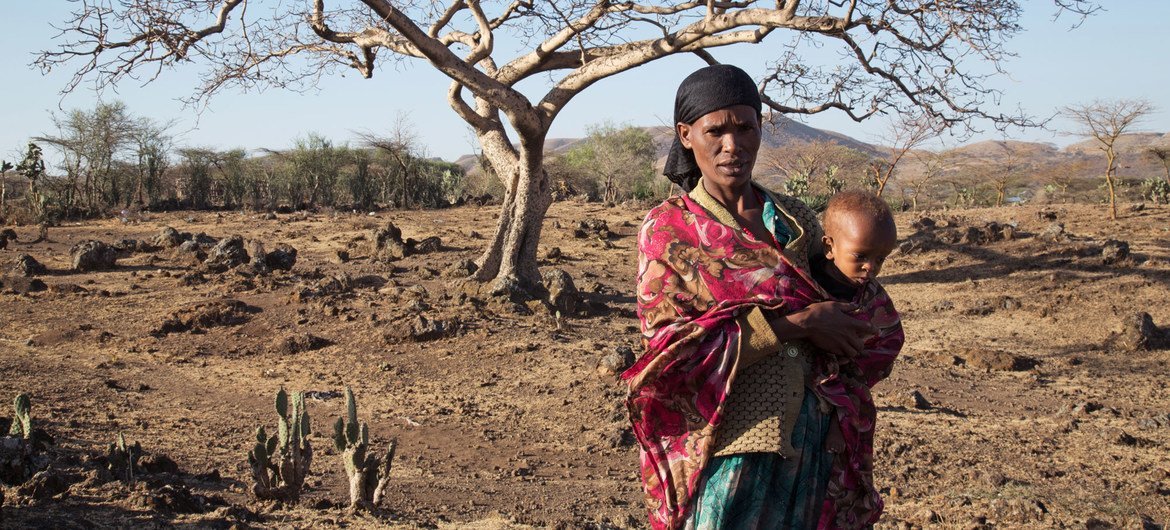
Every $1 invested in preparing for El Niño could save $3–$7 in future losses and response costs, according to the World Food Program (WFP), as the climate phenomenon threatens to push 49 million more people into acute food insecurity.
The number of acutely food-insecure people across 45 vulnerable countries could rise from 225 million to 274 million, an increase of around 22%, as El Niño affects rainfall, temperatures, floods and droughts.
“El Niño is a massive threat to the food security of millions who are already vulnerable,” said Carl Skau, WFP’s Acting Executive Director. “The sooner we help families to prepare for these climate shocks, the greater our ability to save lives and protect livelihoods.”
Central America and southern Africa are expected to face some of the sharpest impacts, with significant risks also forecast across eastern Africa and South and Southeast Asia.
Southern African countries are particularly exposed because many households depend on rain-fed subsistence agriculture.
The 2015-16 El Niño affected the food security of an estimated 60 million to 100 million people.
WFP expects the 2026-27 El Niño to peak between September and December 2026, with its effects potentially extending through 2027 as droughts, flooding and extreme temperatures hit future planting seasons and harvests.
WFP is working with the Food and Agriculture Organization (FAO), the UN Office for the Coordination of Humanitarian Affairs (OCHA) and other partners on prevention plans in more than 50 countries.
Since May, WFP has activated anticipatory action plans in South Sudan, Chad, Mauritania, Uganda, Guatemala and El Salvador, providing more than $14 million in lifesaving support to around 500,000 people.
The agency is also expanding pre-arranged financing mechanisms, including disaster-risk insurance, credit and digital payments, to make funding available faster and at lower cost.
The approach is designed to help governments and communities withstand climate shocks while reducing future humanitarian needs. Lessons from previous El Niño events show that every $1 invested in anticipatory action can save $3–$7 in avoided losses and response costs.
The United Nations Development Program (UNDP) in Egypt convened its second Annual Green Growth Conference ...
JPMorganChase has pledged approximately $3.5 million to organizations across Greater Boston to expand access to ...
L&G and NTR have secured cornerstone commitments from four returning investors for their second joint ...

Leave a comment