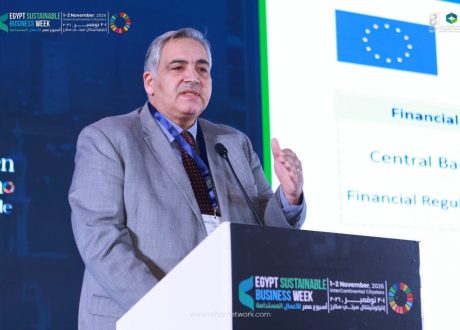
Expert: Finance in Common allocates 56% of funding to climate projects
The Finance in Common program has allocated 56% of its total financing in Egypt to ...
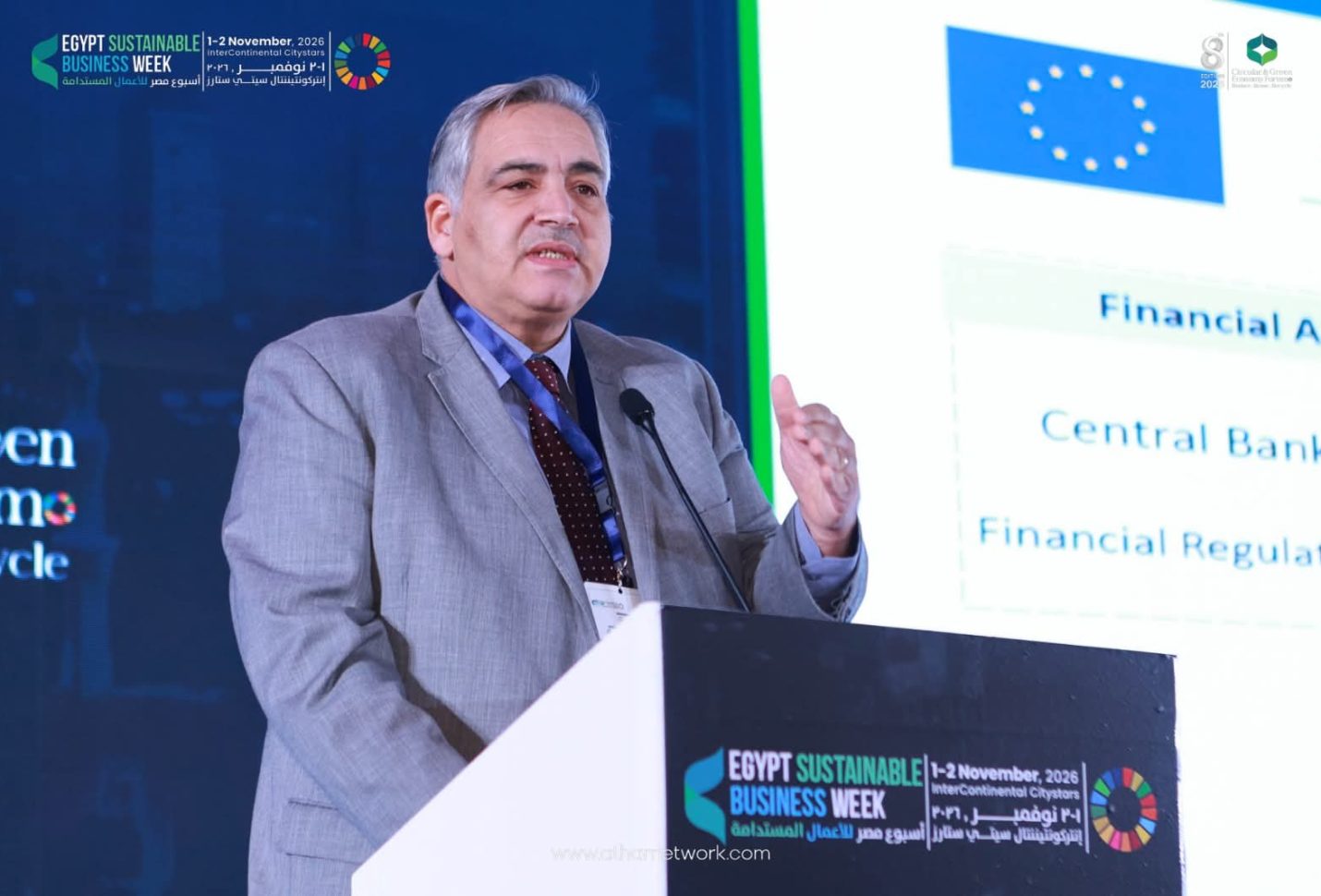
The Finance in Common program has allocated 56% of its total financing in Egypt to climate-related projects, exceeding its target of 30%, while funding supporting women also reached 56%, surpassing the program’s 30% target, development finance expert Sahel Annabi said.
Long-term financing accounted for 79% of total credit allocation, exceeding the program’s target of 75%, Annabi added.
Speaking at a presentation titled “Financing What Matters: Lessons and Opportunities from Finance in Common in Egypt” during Egypt Sustainable Business Week, Annabi said the program aims to support small and medium-sized enterprises (SMEs) through a framework combining credit facilities, financial incentives and technical assistance.
The program seeks to help SMEs adopt sustainable practices and expand their access to finance, while developing three new technical tracks and marketing activities to support businesses and promote sustainable finance.
Building financial institutions’ capacity:
Annabi said institutional capacity building is central to the program’s support framework, enabling banks and financial institutions to activate sustainable finance policies and integrate them into their day-to-day operations.
The program has introduced field training and remote mentoring, alongside training for bank relationship managers on sustainable finance mechanisms, he said.
It also aims to extend capacity-building initiatives to more than 50 non-bank financial institutions and complete its programs at the Central Bank of Egypt (CBE), which have covered more than 35 employees.
The program is also developing training materials and disclosures aligned with International Financial Reporting Standards (IFRS), Annabi added.
Integrating climate risks into finance:
The program’s support covers the development of sustainability assessment frameworks, the integration of climate risks into financial institutions’ risk management procedures, and stronger implementation of environmental and social standards.
It also focuses on identifying and assessing sustainable investments and improving financial institutions’ capacity to address sustainable finance requirements.
Climate projects drive new financing:
Climate-related projects accounted for 56% of total credit allocation, against the program’s minimum target of 30%, Annabi said.
All five newly financed projects are linked to climate action, covering energy efficiency, cooling and heating, renewable energy, and climate change adaptation.
Financing supporting women reached 56%, against a target of 30%, up from around 53% in the previous period. Long-term financing represented 79% of total credit allocation, exceeding the 75% target.
The five newly extended loans have maturities ranging from five to 10 years, he added.
Annabi said sustainable finance helps maximize the development impact of lending by directing funds toward projects and activities that support the Sustainable Development Goals (SDGs).
This strengthens the financial sector’s contribution to Egypt Vision 2030, particularly its objectives related to improving citizens’ well-being and promoting social justice, he said.
The Finance in Common program has allocated 56% of its total financing in Egypt to ...
Abdourahmane Diaw, Country Manager for the Egypt Country Office at the African Development Bank (AfDB), ...
Distinguishing between sustainability, green and climate finance remains a key challenge for the banking sector, ...
Leave a comment