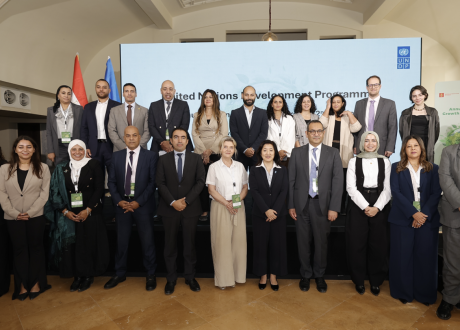
UNDP Egypt Conf. pushes green, digital growth for SMEs, Youth
The United Nations Development Program (UNDP) in Egypt convened its second Annual Green Growth Conference ...

Nestlé has cut greenhouse gas (GHG) emissions across its global dairy value chain by 26% since 2018, marking a key milestone in the company’s efforts to decarbonize one of its most emissions-intensive supply chains.
The achievement is detailed in Nestlé’s first Dairy Plan report, which outlines how the company is working with more than 130,000 dairy farmers, over 200 suppliers and partners, and stakeholders across more than 40 countries to transform dairy production through climate-smart farming practices, regenerative agriculture, and animal welfare initiatives.
Nestlé said lower-carbon feed solutions and improved manure management have been central to its emissions reduction strategy. The company reported a 25% reduction in methane emissions, driven in part by projects that convert manure into renewable energy or compost, helping farmers lower costs while creating new income streams.
Through its Institute of Agricultural Sciences and collaborations with academic and government research institutions, Nestlé is also advancing science-based technologies aimed at reducing emissions from cow digestion and manure management.
The company is scaling regenerative agriculture practices across its dairy supply chain, encouraging farmers to adopt measures such as soil cover, reduced tillage, and tree integration to improve soil health, biodiversity, and water management.
In 2025, more than 34% of Nestlé’s dairy supply came from farms implementing regenerative agriculture practices, according to the report.
Nestlé argues that environmental improvements can go hand in hand with stronger farm performance. The Dairy Plan promotes animal welfare measures including optimized nutrition, enhanced veterinary care, and cooling systems designed to improve herd health, milk quality, and productivity.
“The Dairy Plan shows that productivity, quality milk and sustainability are closely connected and can positively reinforce each other,” said Katja Seidenschnur, Head of Sustainability for Nestlé’s Nutrition & Health business.
Beyond environmental goals, the initiative seeks to strengthen farmers’ long-term economic resilience. Nestlé provides training in technical farming practices, business management, and financial planning, while digital tools help farmers make more informed operational decisions.
The company said these efforts are helping professionalize dairy farming and make the sector more attractive to younger generations by creating pathways to stable incomes and long-term growth.
For Nestlé, the Dairy Plan is both a sustainability initiative and a strategic investment in supply chain resilience. By helping farmers adapt to climate and economic pressures while improving productivity, the company aims to secure long-term access to high-quality milk and dairy ingredients that support its global nutrition and food portfolio.
The United Nations Development Program (UNDP) in Egypt convened its second Annual Green Growth Conference ...
JPMorganChase has pledged approximately $3.5 million to organizations across Greater Boston to expand access to ...
L&G and NTR have secured cornerstone commitments from four returning investors for their second joint ...

Leave a comment