
JPMorganChase pledges $3.5mln to boost jobs, small businesses in Boston
JPMorganChase has pledged approximately $3.5 million to organizations across Greater Boston to expand access to ...
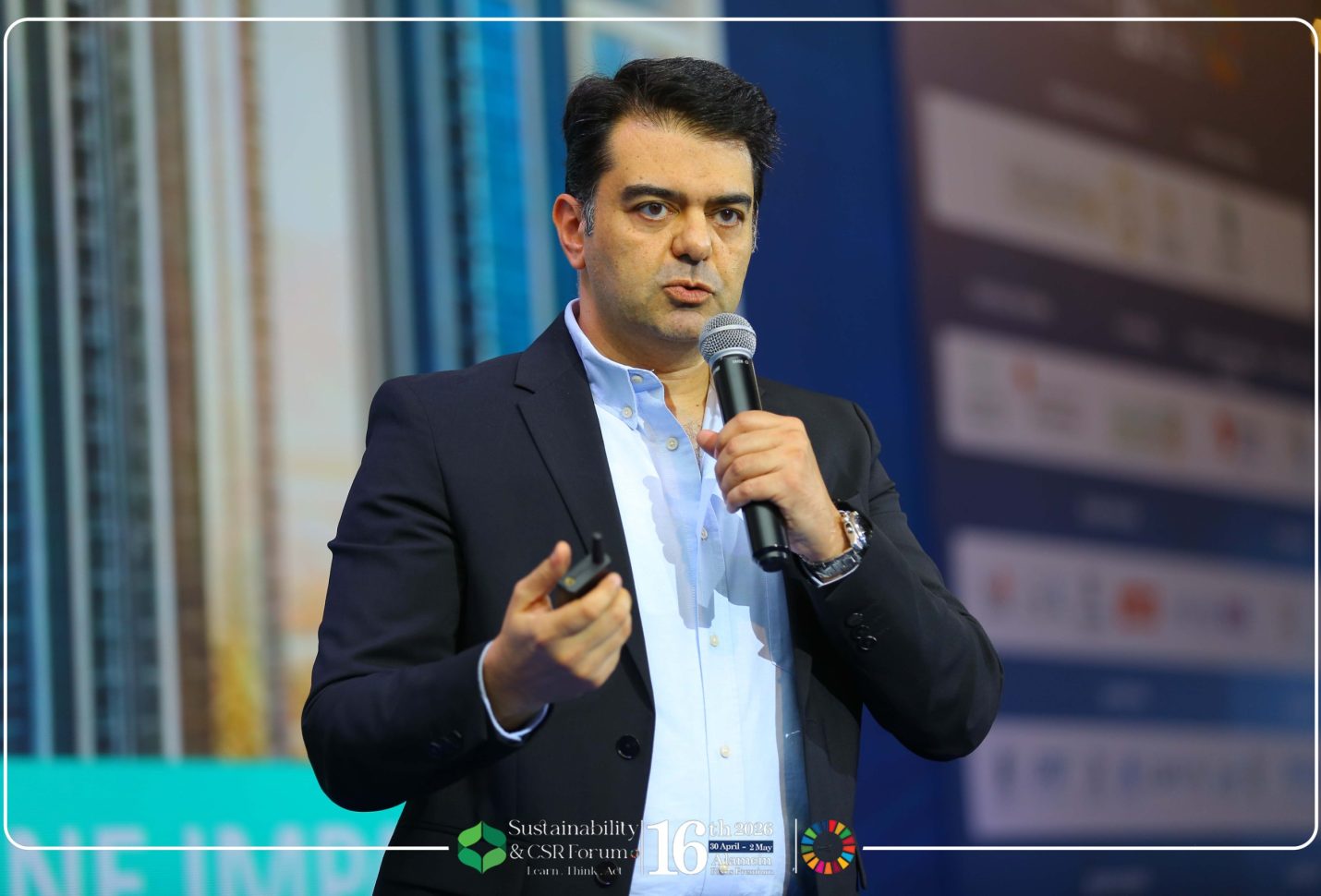
Ramy Khodeir, Marketing Professor at Misr International University (MIU) and Consultant, said that so-called “greenwashing” is no longer just an ethical concern, but has become a real economic risk threatening corporate sustainability and directly impacting market value.
He made the remarks during the 16th Egypt Corporate Social Responsibility and Sustainable Development Forum (16th Egypt CSR and Sustainability Forum) under the theme of
Khodeir explained that relying on misleading environmental messaging may appear to be a quick way to improve brand perception, but it actually multiplies risks, including:
* Exposure to regulatory and corrective actions
* Declining investor trust and lower valuations
* Reduced employee engagement and negative hiring impacts
* Damage to corporate reputation and increased societal resistance
The MIU professor said greenwashing typically develops in stages, beginning with exaggerated or unsupported claims, followed by stakeholder skepticism, then regulatory and media scrutiny, and ultimately negative reactions that damage trust and brand equity.
Khodeir pointed to several drivers behind greenwashing, including competitive pressure pushing marketing teams toward exaggeration, weak data systems, lack of clear standards, short-term performance focus, and a disconnect between communication and operational reality.
From claims to evidence-based sustainability:
He stressed the importance of moving away from generic statements such as “we are sustainable” toward evidence-based communication that links real performance to business value, supported by transparency and balanced disclosure of both achievements and challenges.
Khodeir cited major international examples, including the Volkswagen crisis in 2015, where the company suffered significant losses following emissions data manipulation despite its strong sustainability reputation.
He also referenced criticism faced by H&M over alleged misleading sustainability claims, which triggered regulatory scrutiny and negative market reactions.
The MIU professor noted that trust in corporations globally is increasingly under strain, with a growing perception that business leaders may mislead the public, alongside a rise in greenwashing-related cases in recent years.
Sustainability communication as business driver:
Khodeir concluded that sustainability communication is no longer a public relations function, but a strategic factor shaping investor and customer decisions, influencing public policy, and driving behavioral change at scale, stressing that credibility and transparency are essential for long-term impact.
He made the remarks during the 16th Egypt Corporate Social Responsibility and Sustainability Forum (16th Egypt CSR and Sustainability Forum)
Khodeir explained that relying on misleading environmental messaging may appear to be a quick way to improve brand perception, but it actually multiplies risks, including:
* Exposure to regulatory and corrective actions
* Declining investor trust and lower valuations
* Reduced employee engagement and negative hiring impacts
* Damage to corporate reputation and increased societal resistance
He said greenwashing typically develops in stages, beginning with exaggerated or unsupported claims, followed by stakeholder skepticism, then regulatory and media scrutiny, and ultimately negative reactions that damage trust and brand equity.
Khodeir pointed to several drivers behind greenwashing, including competitive pressure pushing marketing teams toward exaggeration, weak data systems, lack of clear standards, short-term performance focus, and a disconnect between communication and operational reality.
He stressed the importance of moving away from generic statements such as “we are sustainable” toward evidence-based communication that links real performance to business value, supported by transparency and balanced disclosure of both achievements and challenges.
Khodeir cited major international examples, including the Volkswagen crisis in 2015, where the company suffered significant losses following emissions data manipulation despite its strong sustainability reputation.
He also referenced criticism faced by H&M over alleged misleading sustainability claims, which triggered regulatory scrutiny and negative market reactions.
The MIU professor noted that trust in corporations globally is increasingly under strain, with a growing perception that business leaders may mislead the public, alongside a rise in greenwashing-related cases in recent years.
Khodeir concluded that sustainability communication is no longer a public relations function, but a strategic factor shaping investor and customer decisions, influencing public policy, and driving behavioral change at scale, stressing that credibility and transparency are essential for long-term impact.
JPMorganChase has pledged approximately $3.5 million to organizations across Greater Boston to expand access to ...
L&G and NTR have secured cornerstone commitments from four returning investors for their second joint ...
French investment firm Hy24 has signed an agreement with EDF Pulse Ventures to acquire Hynamics, ...

Leave a comment