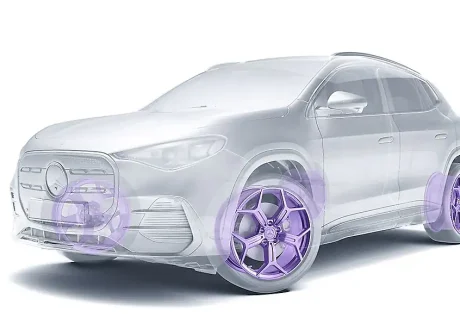
Mercedes-Benz targets 90% cut in production emissions by 2039
Mercedes-Benz Group aims to cut CO₂ emissions from its production operations by 90% by 2039 ...
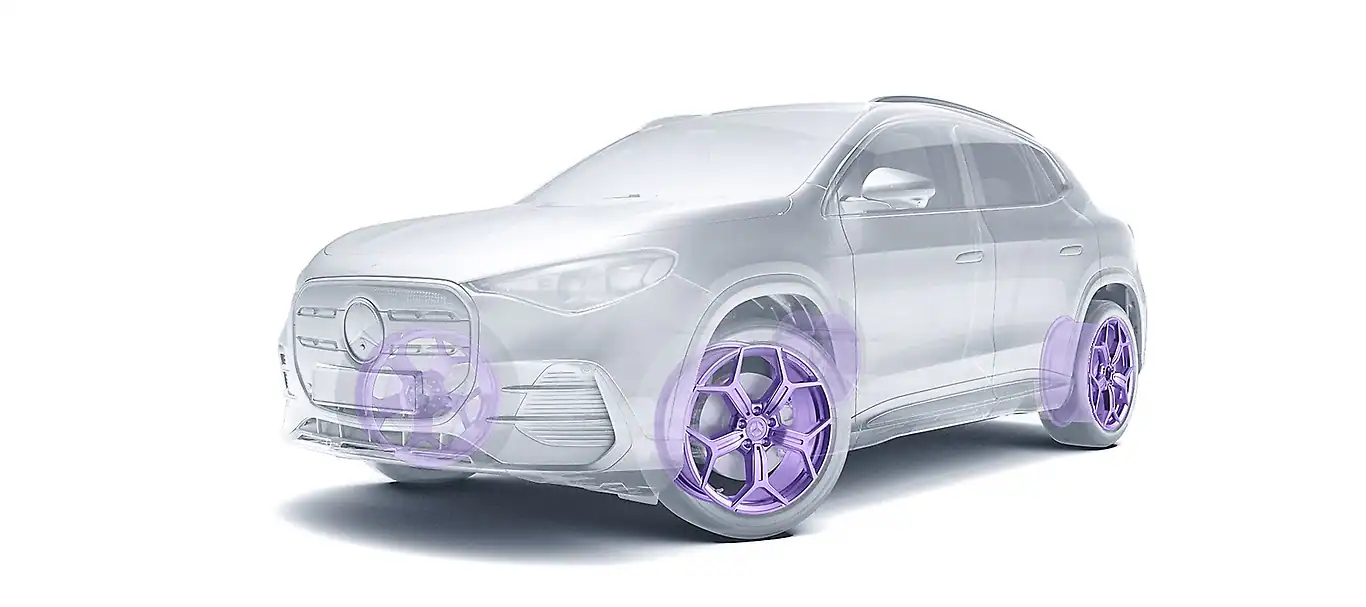
The company also targets an 80% reduction in vehicle use-phase emissions, subject to market conditions, and a 70% cut in emissions across all relevant value chain stages by 2039. Beyond that, it aims to achieve net-zero emissions in the following decade by reducing CO₂ emissions by at least 90% from 2019 levels and permanently neutralizing the remainder.
The targets were outlined at the company’s Sustainability Dialogue and Sustainability Update in Sindelfingen, Germany, where it also presented a more focused sustainable business strategy.
Mercedes-Benz will continue reducing emissions at source through vehicle electrification, renewable energy use in production and the adoption of low-carbon and circular materials. It is also working to decarbonize its supply chain amid volatile market conditions and geopolitical uncertainty.
Between 2025 and 2027, the company plans to introduce 14 fully electric models. Its latest all-electric GLC has reduced CO₂ emissions by around two-thirds compared with its non-electric predecessor, according to Olaf Schick, member of the Board of Management responsible for Integrity, Governance and Sustainability.
Renewable energy currently accounts for 51% of total energy consumption at Mercedes-Benz Cars production sites and 39% at Mercedes-Benz Vans facilities. All externally sourced electricity used worldwide comes from renewable sources.
“Even in challenging market conditions, Mercedes-Benz puts sustainability at the core of its strategy alongside resilience and competitiveness. With the enhanced transparency of Ambition 2039 we are outlining new milestones in our decarbonization pathway to turn sustainability into operational reality: tangible, measurable and infused into the heart of our products. The latest example is our all-electric GLC which has reduced its CO₂ emissions by around two thirds compared to its non-electric predecessor model,” Schick said.
From 2027, Mercedes-Benz will refocus its Sustainable Business Strategy on four areas, strengthening the link between sustainability, business relevance and measurable impact.
These include decarbonization across the value chain, with an emphasis on electrification, supply chains, logistics and production; and circularity, with a target to increase the share of secondary raw materials to 40% within the next decade while decoupling resource consumption from business growth.
The strategy will also bring traffic safety and digital trust together, including through driver assistance systems, while strengthening social responsibility towards employees during periods of change and respect for human rights across product value chains.
The four priorities will be supported by binding targets, concrete measures and dedicated resources integrated into the company’s business management processes.
Mercedes-Benz Group aims to cut CO₂ emissions from its production operations by 90% by 2039 ...
Boehringer Ingelheim has partnered with Bassita, through its VeryNile initiative, to engage employees in environmental ...
Schneider Electric has published a new study projecting that total electricity system costs could fall ...
Leave a comment