
COP30 report puts climate finance at up to $1.41 trillion by 2035
Climate finance for developing countries could reach between $1.27 trillion and $1.41 trillion annually by ...
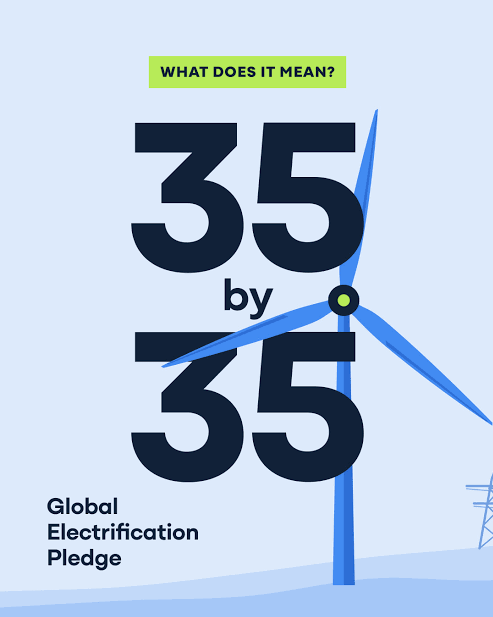
Countries have endorsed a COP31 presidency pledge to increase electricity’s share of global final energy consumption from around 23% currently to 35% by 2035, as part of efforts to strengthen energy security and accelerate the transition away from fossil fuels.
The pledge was announced at the COP31 Leaders’ Summit in Antalya, Türkiye, on November 11.
Commenting on the endorsement, Dr. Nick Wayth, global director of the World Resources Institute’s (WRI) Polsky Center for the Global Energy Transition, said the early adopters were sending a clear signal that the future of energy security is electric.
“After another year of energy price shocks and geopolitical instability, countries recognize that it’s time to move away from volatile fossil fuel markets to an electrified economy that strengthens energy security and lowers people’s bills,” Wayth said.
He urged more countries to endorse the pledge and translate their commitments into action through credible electrification and clean-energy roadmaps outlining the investments, policies and regulatory reforms required to meet their targets.
Wayth stressed that electricity grids must keep pace with rising demand as more sectors of the economy shift to electricity, requiring action on both energy supply and consumption.
On the supply side, countries need to accelerate clean power generation, invest in grids and storage, and improve system flexibility to make better use of existing infrastructure, he said.
On the demand side, he called for incentives to promote electric vehicles and buses, heat pumps, appliances and industrial facilities.
Wayth said electrification and a just and equitable transition away from fossil fuels were closely linked, adding that the path to reducing dependence on oil, gas and coal would vary from one country to another.
He pointed to Brazil’s work on a global fossil fuel transition roadmap as a potential framework for connecting the two agendas.
“The priority now is to translate international commitments into credible national policies, investments, and real-world progress,” he said.
Climate finance for developing countries could reach between $1.27 trillion and $1.41 trillion annually by ...
Countries have endorsed a COP31 presidency pledge to increase electricity’s share of global final energy ...
Radisson Hotel Group has expanded its Verified Net Zero portfolio to 11 hotels, with Radisson ...


Leave a comment