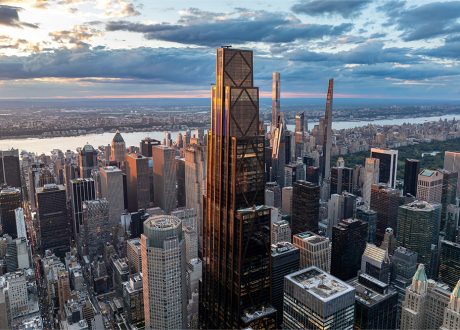
JPMorganChase pledges $3.5mln to boost jobs, small businesses in Boston
JPMorganChase has pledged approximately $3.5 million to organizations across Greater Boston to expand access to ...
The Global Environment Facility (GEF) has approved a new $77.6 million funding package to support 11 projects across 10 countries, with implementation support from the United Nations Development Program (UNDP).
The financing is expected to unlock more than $400 million in co-financing, helping countries translate climate and biodiversity commitments into scalable and investment-ready solutions. The projects will support five countries in Africa, four in Asia and the Pacific, and one in Central Asia.
Nearly one-third of the approved funding, or $23 million, will be provided through the Least Developed Countries Fund (LDCF) and the Special Climate Change Fund (SCCF), both managed by the GEF.
Projects in Guinea-Bissau and Senegal will support climate resilience efforts, building on UNDP’s long-standing partnerships and presence across all 44 Least Developed Countries.
In Niue, a project jointly led by Conservation International will focus on strengthening climate resilience, protecting biodiversity, and securing long-term financing for ocean conservation.
The newly approved GEF Trust Fund projects will support a range of environmental priorities across multiple regions.
In southern Africa, projects in Zimbabwe and Botswana will focus on harnessing natural capital and unlocking biodiversity potential, while Eritrea will receive support to restore degraded land.
In Asia, initiatives will strengthen climate resilience in the Philippines, conserve globally significant biodiversity in Malaysia, and accelerate community-led integrated landscape management in India through a joint effort with IUCN.
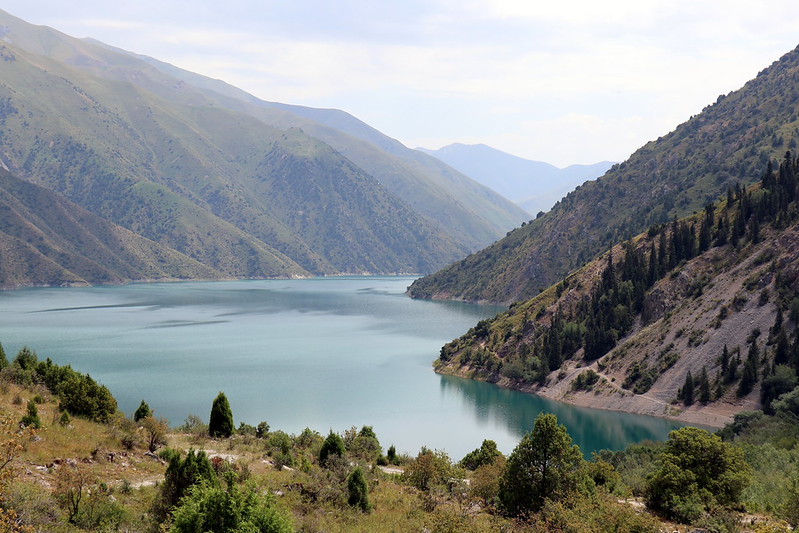
In Central Asia, a project in Kyrgyzstan will support the sustainable management of water resources.
Through the Global Biodiversity Framework Fund (GBFF), an additional project in India, jointly led with the World Bank, will support biodiversity targets and strengthen nature-positive development goals.
“The GEF has been an instrumental partner of UNDP since 1991, fast-tracking progress on critical environmental targets,” said Marcos Neto, UN Assistant Secretary-General and Director of UNDP’s Bureau for Policy and Program Support.
“We will leverage our trusted partnerships, building upon decades of work rooted in the community and at a global level, to catalyze these investments so that they go further. Our priority is now to act with urgency. We are committed to ensuring that these solutions continue to deliver real results at scale, while leaving no one, and no country, behind.”
The newly approved financing strengthens UNDP’s wider commitments under its Climate Promise and Nature Pledge initiatives.
Through its GEF portfolio, UNDP currently leverages more than $3 billion in grants to mobilize nearly US$18 billion in co-financing globally.
“This latest GEF investment is a powerful signal that commitment to multilateral environmental action remains strong,” said Claude Gascon, GEF Interim Chief Executive Officer and Chairperson.
“It shows what is possible when countries and partners come together with shared ambition. Now, we must work together to accelerate progress and keep the 2030 Agenda within reach.”
The financing package was approved during the 71st GEF Council Meeting, the 6th GBFF Meeting, and the 40th LDCF/SCCF Meeting.
The approval marks the completion of the GEF-8 replenishment cycle, with donors already pledging US$3.9 billion for the upcoming GEF-9 cycle.
Running from July 2026 to June 2030, the GEF-9 cycle will focus on integrated programming, blended finance, whole-of-government and whole-of-society approaches, and enhanced support for Least Developed Countries, Small Island Developing States, and Indigenous Peoples and Local Communities.
JPMorganChase has pledged approximately $3.5 million to organizations across Greater Boston to expand access to ...
L&G and NTR have secured cornerstone commitments from four returning investors for their second joint ...
French investment firm Hy24 has signed an agreement with EDF Pulse Ventures to acquire Hynamics, ...
Leave a comment