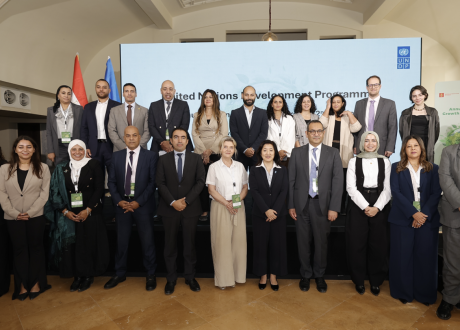
UNDP Egypt Conf. pushes green, digital growth for SMEs, Youth
The United Nations Development Program (UNDP) in Egypt convened its second Annual Green Growth Conference ...
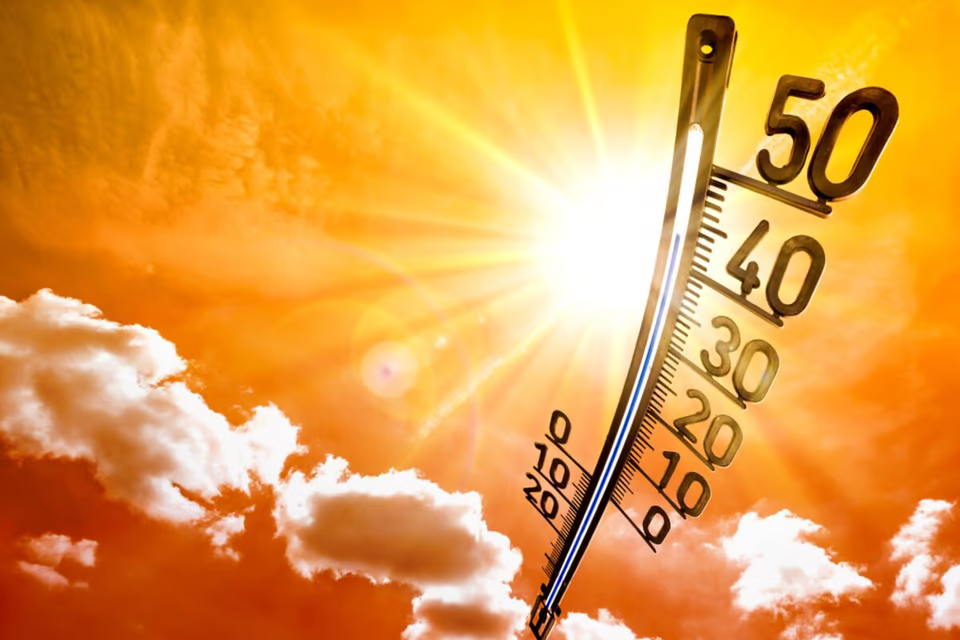
January 2025 was the warmest January globally. It was the 18th month in the last nineteen months for which the global-average surface air temperature was more than 1.5°C above the pre-industrial level, according to the Copernicus Climate Change Service said.
January 2025 saw predominantly wetter-than-average conditions over regions of western Europe, as well as parts of Italy, Scandinavia and the Baltic countries; heavy precipitation led to flooding in some regions.
Beyond Europe, it was wetter than average in Alaska, Canada, central and eastern Russia, eastern Australia, south-eastern Africa, southern Brazil, with regions experiencing floods and associated damage.
Drier than average conditions established in southwestern United States and northern Mexico, northern Africa, the Middle East, across Central Asia and in eastern China as well as in much of southern Africa, southern South America and Australia.
Arctic sea ice reached its lowest monthly extent for January, at 6% below average, virtually tied with January 2018.
Samantha Burgess, Strategic Lead for Climate at the European Center for Medium-Range Weather Forecasts (ECMWF), said “January 2025 is another surprising month, continuing the record temperatures observed throughout the last two years, despite the development of La Niña conditions in the tropical Pacific and their temporary cooling effect on global temperatures. Copernicus will continue to closely monitor ocean temperatures and their influence on our evolving climate throughout 2025.”
The United Nations Development Program (UNDP) in Egypt convened its second Annual Green Growth Conference ...
JPMorganChase has pledged approximately $3.5 million to organizations across Greater Boston to expand access to ...
L&G and NTR have secured cornerstone commitments from four returning investors for their second joint ...

Leave a comment