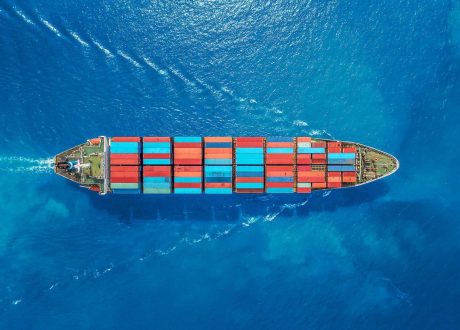
Hillebrand Gori offers 85% freight emissions cuts with GoGreen Plus
Hillebrand Gori, a DHL company and beverage logistics provider, has launched two transport decarbonization solutions, ...
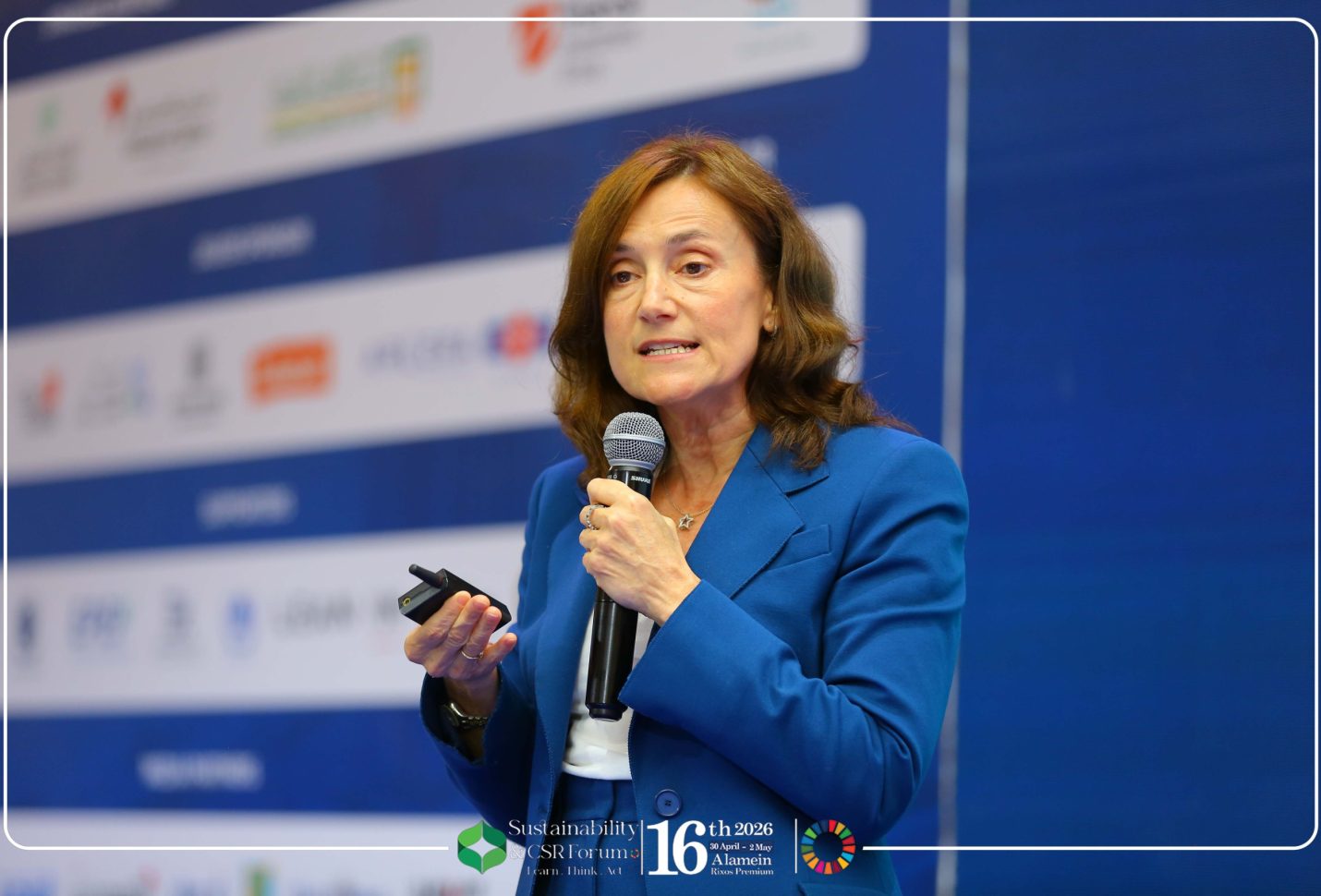
Ingrid Eberle, Chief Sustainability and Compliance Officer at Arcera Life Sciences, said sustainability in the healthcare and life sciences sector is no longer limited to regulatory compliance, but is increasingly shaped by the integration of risk management, innovation, artificial intelligence, and strong governance frameworks.
She made the remarks during the 16th annual Corporate Social Responsibility and Sustainable Development Conference (16th CSR Egypt and Sustainability Conference) under the theme of “The Right Place to Ask the Right Questions… Ask and Act”.
Eberle noted that Arcera operates across more than 90 global markets, employs over 6,000 people, and manages 2,000 pharmaceutical products across eight manufacturing and packaging sites, including locations in Egypt, the UAE, Europe, Latin America, and Africa.
She explained that the company operates under an integrated governance structure led by the Board of Directors and its risk and audit committees, alongside a dedicated Sustainability Board responsible for strategic direction.
Operational execution is managed through sustainability teams across different regions.
Eberle said the company applies the concept of double materiality, assessing both the company’s impact on the environment and society, as well as the impact of environmental and social risks on financial performance.
She said this approach supports more accurate and operationally relevant decision-making.
She added that artificial intelligence has become a central enabler of Arcera’s sustainability agenda, improving data quality and accelerating decision-making processes.
This is supported by a strict governance framework ensuring ethical and responsible use of technology, through dedicated AI and data committees.
Eberle said the company’s transformation approach follows a structured sequence starting with landscape analysis and materiality assessment, followed by prioritization and roadmap development, then execution, evaluation, and continuous improvement.
This aligns with international frameworks such as GRI and EcoVadis.
She concluded that combining innovation, governance, and artificial intelligence is no longer optional, but a strategic requirement for building organizations capable of delivering responsible growth and sustainable impact in a rapidly evolving regulatory environment.
Hillebrand Gori, a DHL company and beverage logistics provider, has launched two transport decarbonization solutions, ...
The Institute of Sustainability and Environmental Professionals (ISEP) has opened applications for two new professional ...
Around 60% of global investors expect to increase allocations to investments that actively combat climate ...

Leave a comment