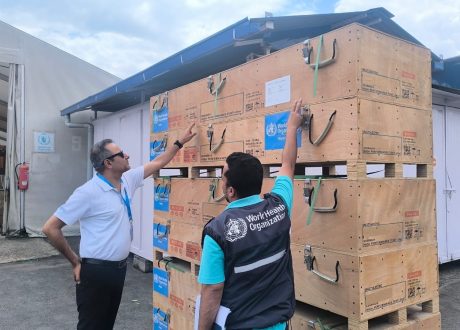
WHO releases $150,000 as Nepal flood death toll tops 730
The World Health Organization (WHO) has released $150,000 from its South-East Asia Regional Health Emergency ...
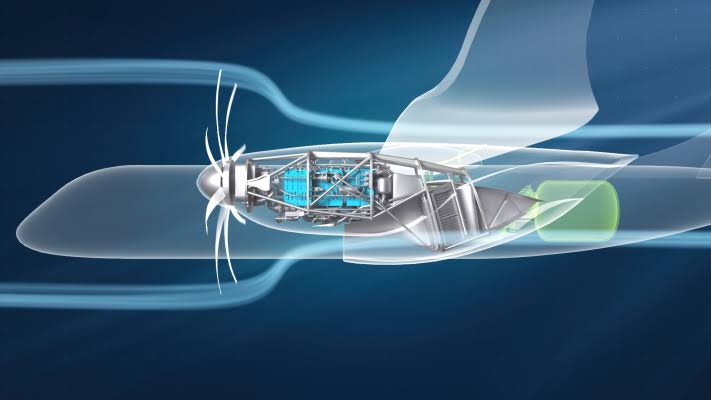
Airbus and MTU Aero Engines are deepening their partnership with plans to establish a joint venture dedicated to developing and commercializing hydrogen fuel cell propulsion systems, advancing efforts to bring zero-emission aviation closer to reality.
The planned venture follows a memorandum of understanding signed at the 2025 Paris Air Show and is expected to begin operations in 2027, subject to regulatory approvals and employee consultation processes.
The joint venture will focus on the full lifecycle of hydrogen fuel cell engines, from development and testing to certification and commercialization. By creating a dedicated organization, Airbus and MTU aim to accelerate the industrialization of electric hydrogen propulsion technology for future commercial aircraft.
The partners said the new company will combine engineering, manufacturing, and certification capabilities from both organizations to speed up the delivery of next-generation propulsion systems.
Airbus will contribute its expertise in commercial aircraft development, fuel cell propulsion, and liquid hydrogen technologies, while MTU will bring years of experience in fuel cell development, engine design, integration, validation, certification, and maintenance.
Together, the companies aim to establish a European technology leader capable of delivering the first hydrogen fuel cell propulsion system for commercial aviation.
Hydrogen is widely viewed as one of the aviation sector’s most promising pathways to cutting long-term emissions, with the potential to transform air travel much as electric vehicles have reshaped the automotive industry.
Beyond engine development, Airbus and MTU said they will continue working to support the broader hydrogen aviation ecosystem, including regulatory frameworks, infrastructure, and industry collaboration needed to enable hydrogen-powered flight at scale.
The initiative also supports Airbus’ long-term ZEROe ambition to develop commercially viable hydrogen-powered aircraft and strengthen Europe’s leadership in next-generation aviation technologies.
The World Health Organization (WHO) has released $150,000 from its South-East Asia Regional Health Emergency ...
The Food and Agriculture Organization of the United Nations (FAO) has secured LEED Gold certification ...
Royal Philips has priced EUR 650 million in fixed-rate notes due 2034, marking the healthcare ...


Leave a comment