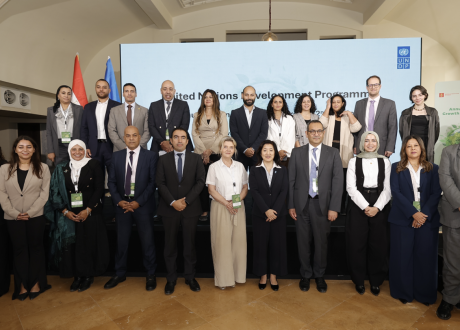
UNDP Egypt Conf. pushes green, digital growth for SMEs, Youth
The United Nations Development Program (UNDP) in Egypt convened its second Annual Green Growth Conference ...

The African Development Bank hosts its first Climate Change and Green Growth Days on May 27-28 at its Headquarters in Abidjan. The event is part of efforts to create a platform to highlight each sector’s contribution to achieving the bank’s climate change and green growth targets in line with sustainable development goals.
The bank’s President Akinwumi Adesina will make an opening address at the symposium.
The first panel of the symposium will explore approaches, opportunities and challenges in building resilience in Africa, while the second will discuss financing and business models for building climate-resilience in Africa.
Climate Change poses significant challenges to Africa’s economic development. The continent is already experiencing its impact, evidenced by stress on its water resources and reduced crop productivity. Climate change has also led to changes in the incidence and geographic range of parasitic and water borne diseases like malaria, due to increasing temperatures and changing rainfall patterns. The recent cyclones Idai and Kenneth, are considered to be the worst hurricanes in the southern hemisphere in recent years, resulting in direct economic losses of about $2 billion.
The bank’s Climate Change and Green Growth Director, Prof. Anthony Nyong, who was named among world’s “100 Most Influential People in Climate Policy”, says: “It’s important that everybody understands that climate change is a cross-cutting issue. It shows up everywhere, in every sector. It has evolved from an environmental worry to a threat on global development, particularly in Africa. The African Development Bank is demonstrating a strong commitment at both policy and implementation level, to climate compatible development in Africa”.
Africa’s share of global climate finance is inadequate. About 14% of the worlds population lives in sub-Saharan Africa and is highly vulnerable to changing climates. Whilst accounting for around 2% of global CO2 annual emissions. Only 3% of global climate finance flows into the continent.
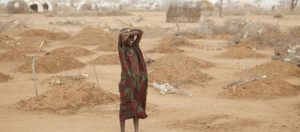
Nine multilateral development banks plan to increase global climate investments to $ 175 bn by 2025
Banks with $47 trillion in assets join hands for climate action, shift from “brown to green”
The United Nations Development Program (UNDP) in Egypt convened its second Annual Green Growth Conference ...
JPMorganChase has pledged approximately $3.5 million to organizations across Greater Boston to expand access to ...
L&G and NTR have secured cornerstone commitments from four returning investors for their second joint ...

Leave a comment