
JPMorganChase pledges $3.5mln to boost jobs, small businesses in Boston
JPMorganChase has pledged approximately $3.5 million to organizations across Greater Boston to expand access to ...
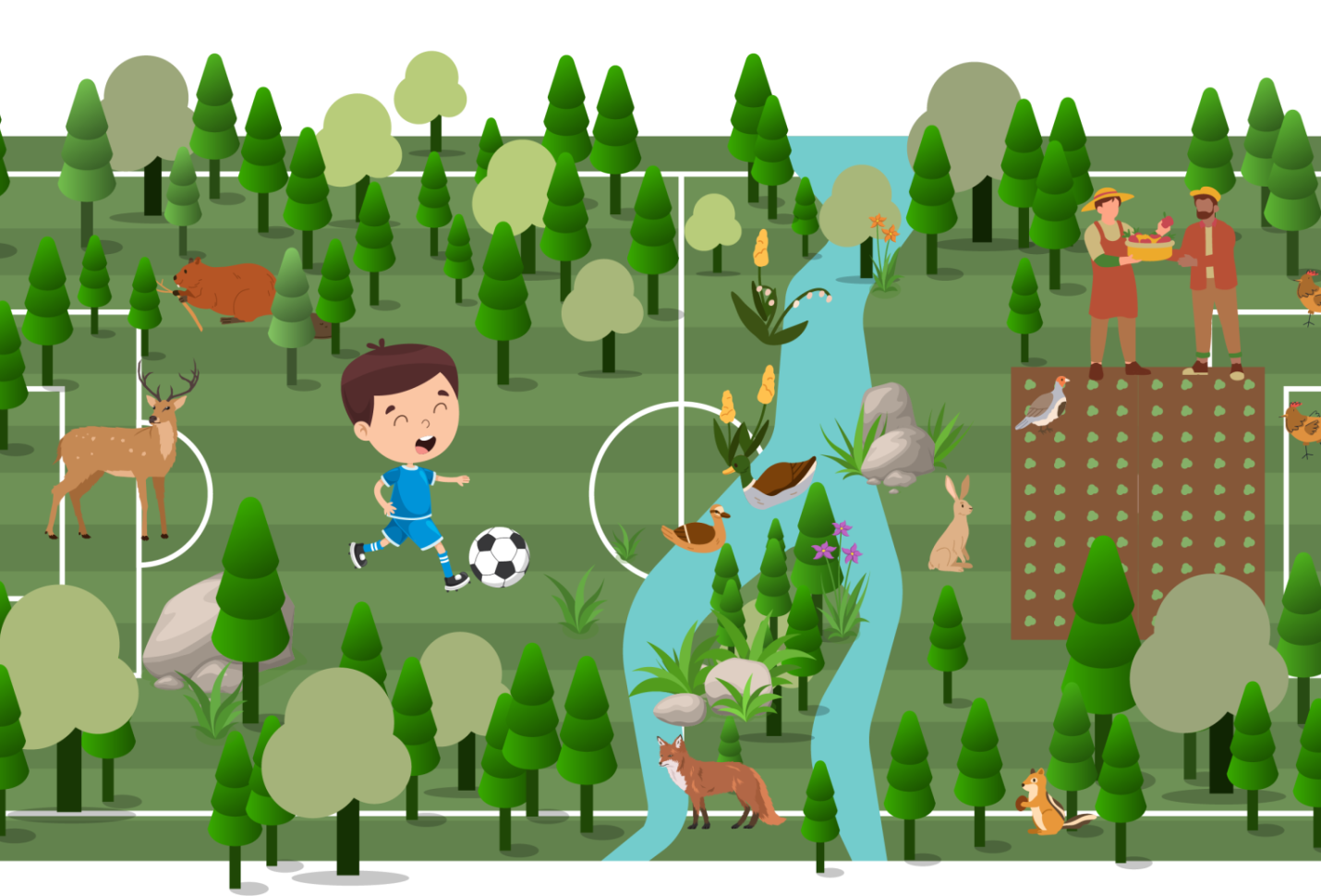
As the 2026 FIFA World Cup draws global attention to football pitches, the United Nations is using the moment to highlight a far larger playing field under threat. The UN warns that 40% of Earth’s land has already been degraded by climate change and unsustainable land use, putting food security, ecosystems, water resources and economic resilience at increasing risk.
Framing the crisis through the lens of the world’s biggest sporting event, the UN estimates that Earth is home to more than 20 billion football-pitch-sized areas of land. Nearly eight billion pitches are already classified as degraded, while the equivalent of four football fields deteriorates every second, underscoring the accelerating pace of environmental decline.
Land is one of the planet’s most valuable natural assets, producing the majority of the world’s food, filtering freshwater supplies and storing climate-warming carbon. Yet decades of deforestation, agricultural expansion and other destructive land-use practices have significantly weakened its ability to sustain both ecosystems and economic activity.
According to the UN, humans have already significantly altered about 75% of the Earth’s land, leaving degraded landscapes that affect nearly three billion people worldwide while accelerating climate change and biodiversity loss.
Agriculture remains one of the leading drivers of land degradation, despite growing global demand for food. The UN estimates that around 70% of the world’s farmland is already degraded or threatened by desertification, highlighting the need for more sustainable farming and consumption practices.
Forests also continue to shrink despite restoration efforts. Between 2015 and 2025, global forest cover declined by the equivalent of more than 50 million football pitches, although the pace of deforestation has fallen to less than half the level recorded during the 1990s.
The combined impacts of land degradation, desertification and drought are estimated to cost the global economy $878 billion annually, reflecting growing risks to productivity, livelihoods and long-term economic growth.
The UN says momentum is building to reverse land degradation through large-scale ecosystem restoration. Since the launch of the UN Decade on Ecosystem Restoration, hundreds of millions of hectares have entered restoration programmes across regions ranging from South Asia and Central America to the Sahara.
Countries have also committed to restoring the equivalent of 1.4 billion football pitches of degraded land—an area larger than China. According to the UN, achieving that goal could generate jobs, strengthen food security, improve water availability, restore biodiversity and help combat climate change.
The UN stressed that reversing land degradation will require coordinated action from governments, businesses, farmers and civil society. Restoring ecosystems, protecting forests, improving agricultural practices and accelerating climate action are all essential to safeguarding the natural resources that underpin economies, livelihoods and long-term sustainable development.
With the world focused on football during the 2026 World Cup, the UN says the greatest playing field of all—the planet’s land—requires urgent action to ensure it can continue supporting future generations.
JPMorganChase has pledged approximately $3.5 million to organizations across Greater Boston to expand access to ...
L&G and NTR have secured cornerstone commitments from four returning investors for their second joint ...
French investment firm Hy24 has signed an agreement with EDF Pulse Ventures to acquire Hynamics, ...

Leave a comment