UNDP Egypt Conf. pushes green, digital growth for SMEs, Youth
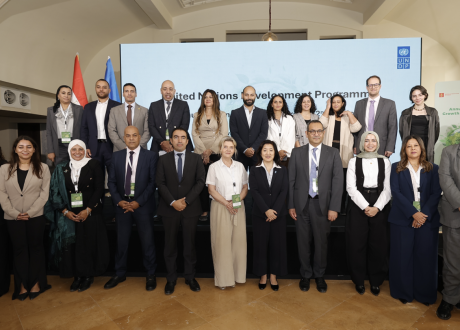
The United Nations Development Program (UNDP) in Egypt convened its second Annual Green Growth Conference ...
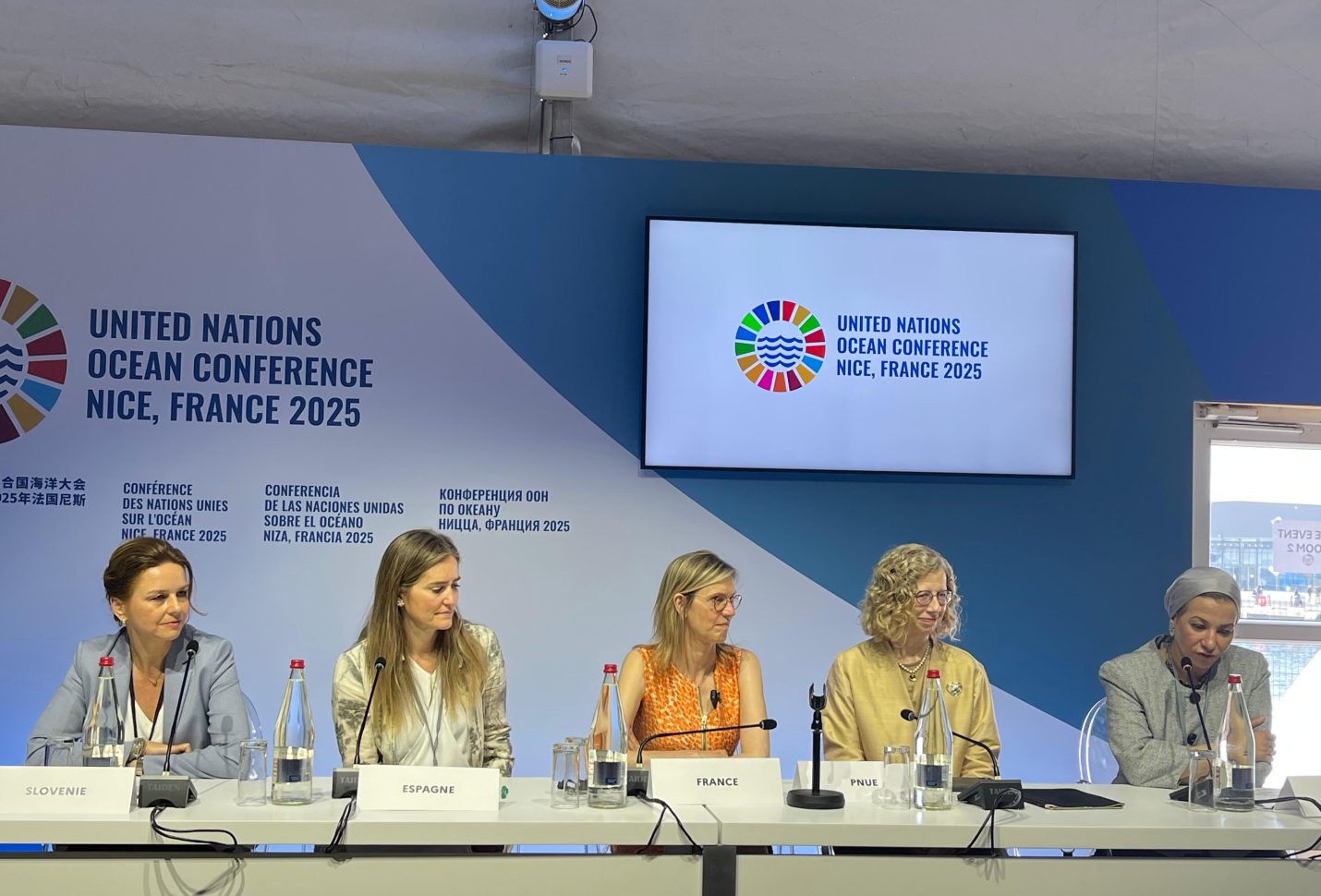
Recent research highlighted that the Mediterranean is the second-fastest-warming region in the world. The sea is most polluted by plastics and most-overexploited by fishing. Such pressures are being exacerbated by growth in populations, coastal towns and cities, tourist infrastructure and more, Executive Director of the United Nations Environment Program (UNEP) Inger Andersen said.
She cautioned that despite good work, this crisis is intensifying.
Marking the 50th anniversary of the Mediterranean Action Plan (MAP) and the 30th anniversary of the Post-Rio Barcelona Convention, she said the UNEP/MAP and the Barcelona Convention have been crucial to protecting the Mediterranean, this beautiful and biodiverse region that is home to 17,000 species of fauna and flora.
And indeed, UNEP/MAP and the Barcelona Convention were trailblazers of UNEP’s Regional Seas Program – which fosters cooperation, coordination and joint action for the sustainable management and protection of marine and coastal environments, she added.
UNEP/MAP was the first of 18 such conventions and plans, of which 14 were established under UNEP’s guidance. It is an amazing example of how regional governance mechanisms can spur action on environmental protection, delivering the global agenda at regional and national level.
The long history of UNEP/MAP and the Barcelona Convention means that, even in complex geopolitical times, the 22 Contracting Parties maintain strong cooperation to tackle everything from dumping and hazardous wastes to protected areas and integrated coastal zone management. And the Contracting Parties have indeed posted some real successes down the years.
Established 39 Specially Protected Areas of Mediterranean Importance. Prepared ten national Integrated Coastal Zone Management strategies and coastal plans. Put in place many species-related action plans, including on the iconic Mediterranean monk seal. Created a regional plan on marine litter management, the first such legally binding framework. And much more.
“My deep thanks to UNEP/MAP and its Parties for this incredible work. You have served, and continue to serve, as a shining example of the coordinated, cross-border action needed to tackle the triple planetary crisis: the crisis of climate change; the crisis of nature, land and biodiversity loss, and the crisis of pollution and waste,” she highlighted.
So, this moment calls not only for celebration of past progress, but for proactive planning, collaboration and preparedness for future emerging issues. Nature-based solutions must be put front and centre. As not every Mediterranean country has the same financial or technological resources, regional solidarity is essential. And there is a need for full ratification and effective implementation of all Barcelona Convention instruments by its Contracting Parties.
She called for helping to meet climate targets under the Paris Agreement by taking bold steps on decarbonization and adaptation.
She urged to pursue a planet free of harm from chemicals and waste, by, for example, playing a strong role in the implementation of the legally binding instrument to end plastic pollution, once agreed.
“You have indeed shown the solidarity, resilience and strength of the Mediterranean region over the last 50 years. As we celebrate this anniversary, let us ensure that past successes inspire future successes as we pursue a resilient, thriving Mediterranean,” she said.
The United Nations Development Program (UNDP) in Egypt convened its second Annual Green Growth Conference ...
JPMorganChase has pledged approximately $3.5 million to organizations across Greater Boston to expand access to ...
L&G and NTR have secured cornerstone commitments from four returning investors for their second joint ...
Leave a comment