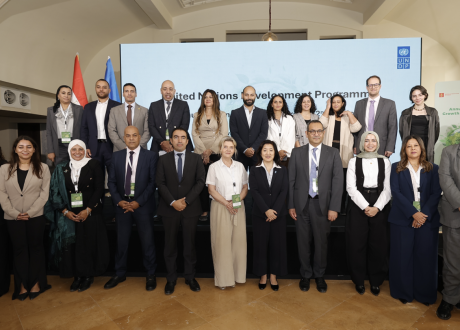
UNDP Egypt Conf. pushes green, digital growth for SMEs, Youth
The United Nations Development Program (UNDP) in Egypt convened its second Annual Green Growth Conference ...

It’s no secret that the “Age of Automation” is not just on its way; it’s here. The World Economic Forum recently estimated that 1.4 million people will lose their jobs by 2026 as a result of technological change, with more than 70% of those job losses happening because the job type will cease to exist. Rural regions are also expected to be disproportionately affected, according to a new McKinsey Global Institute report.
At edX, our own research found that the most notable skills gap is in the data sciences. In our survey, 39% of respondents reported feeling less than proficient in data skills with an emphasis on analytics and computer science, and a quarter (24%) reported that they have had to ask an outside resource how to work with a technology that their company uses. The second skillset with the largest gap is business skills and soft skills, including project management and leadership, with over a third of respondents feeling that they are lacking in this area.
As statistics like these tell the story of the challenges facing us, executives, researchers, and politicians alike are grappling with the question of not only how to prepare the future labor force for this disruption, but also who should own the solution. Will it take a federal mandate to institute reskilling initiatives in fields like data science and AI in order to see a real impact? Will it mean individuals seeking training opportunities on their own?
The United Nations Development Program (UNDP) in Egypt convened its second Annual Green Growth Conference ...
JPMorganChase has pledged approximately $3.5 million to organizations across Greater Boston to expand access to ...
L&G and NTR have secured cornerstone commitments from four returning investors for their second joint ...


Leave a comment