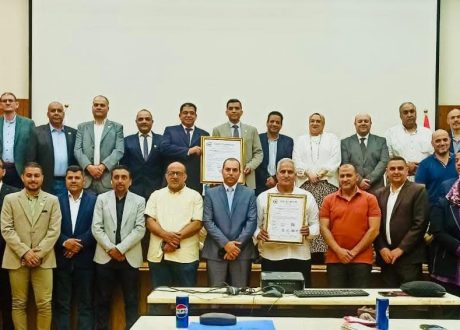
“وزير الزراعة” يعلن حصول الحجر الزراعي المصري على شهادة الأيزو لأول مرة
أعلن علاء فاروق، وزير الزراعة واستصلاح الأراضي، حصول الإدارة المركزية للحجر الزراعي على شهادة الأيزو ...

The World Health Organization (WHO) cautioned that 540,000 malaria cases were reported in the flood-affected country of Pakistan in the period from July to October 2022.
Dr. Richard Brennan, WHO Regional Emergency Director, said “From July to early October 2022, over 540,000 malaria cases have been reported. Other health threats include increasing cases of diarrheal diseases, an ongoing dengue fever outbreak, measles and diphtheria.”
Public health risks are increasing, driven by damaged infrastructure, stagnant water and inadequate sanitation facilities.
Brennan said that the catastrophe has pushed the country to the brink and that diseases are rampant.
He said that among the biggest concerns were high rates of severe acute malnutrition.
“Access to safe water and sanitation remains limited, with people using contaminated water for household consumption. Pregnant women need access to clean and safe delivery services.”
WHO expressed concern that, in the context of multiple other competing demands, the international response has not risen to the urgent needs of flood-affected communities.
More than $81.5 million is needed to respond to the health crisis in flood-affected areas of Pakistan to ensure coordinated delivery of essential healthcare services, efficient management of severe acute malnutrition, and stronger outbreak detection, and control.
With the funds available, WHO explained that it is acting quickly to protect health and to deliver essential services, especially for those displaced by the floods, through static and mobile health camps.
To date, medicines and emergency supplies worth $1.5 million have been distributed while over $6 million worth of supplies are in the pipeline.
Efforts have been scaled up to prevent and control disease outbreaks, including strengthening surveillance, undertaking vaccination campaigns against measles and cholera, ensuring early diagnosis and treatment or malaria, and providing access to clean water.
In addition, 10 Emergency Operations Centres (EOCs) and three operational hubs have been established in Sukkur, Hyderabad and Naseerabad districts.
أعلن علاء فاروق، وزير الزراعة واستصلاح الأراضي، حصول الإدارة المركزية للحجر الزراعي على شهادة الأيزو ...
تابع المهندس شريف الشربيني، وزير الإسكان والمرافق والمجتمعات العمرانية، سير العمل بعددٍ من مشروعات المرافق ...
أكد الدكتور أحمد السبكي، رئيس الهيئة العامة للرعاية الصحية، أن الهيئة تبنت 7 ركائز رئيسية ...
اترك تعليقا