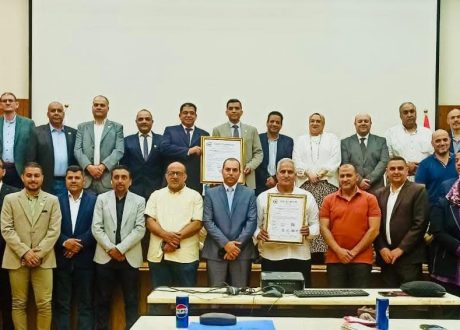
“وزير الزراعة” يعلن حصول الحجر الزراعي المصري على شهادة الأيزو لأول مرة
أعلن علاء فاروق، وزير الزراعة واستصلاح الأراضي، حصول الإدارة المركزية للحجر الزراعي على شهادة الأيزو ...
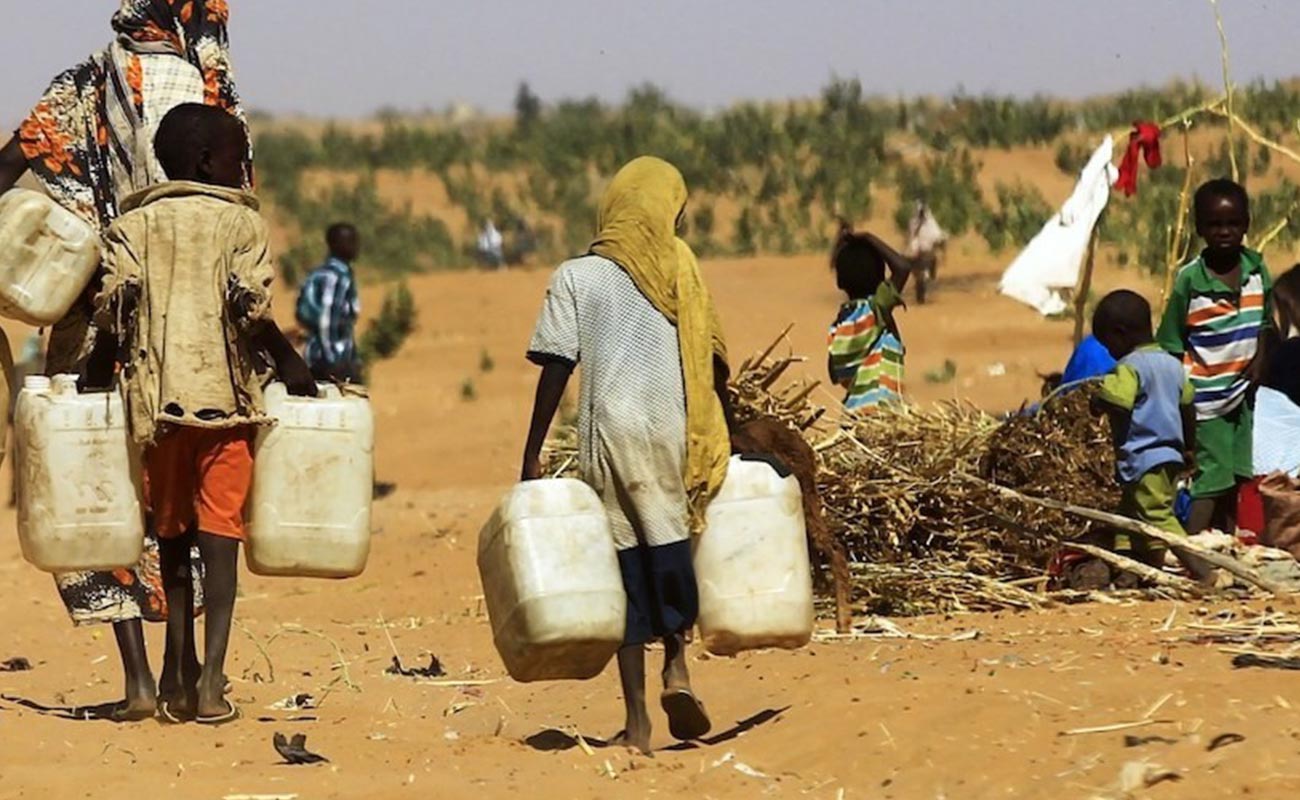
Africa loses 2-5% of its GDP each year to climate shocks with the cost of climate adaptation in sub-Saharan Africa could reach $50 billion annually by 2030, according to the World Economic Forum (WEF).
Moreover, up to 118 million extremely poor people in Africa may still be exposed to droughts, floods and extreme heat unless climate response is reimagined.
Based on lessons learnt from Africa, three key shifts are needed in order to make a lasting difference to the world’s response to climate change.
Firstly, Shift from amount to speed; if climate response is to protect lives and livelihoods, speed matters just as much as funding. Large payouts lose impact if they arrive too late.
When support comes earlier, households maintain food consumption and avoid harmful coping strategies, like selling assets. But in many cases, aid arrives long after damage was done.
Africa’s experience with mechanisms like the ARC Ltd illustrates how parametric insurance can enable early financial support and risk pooling across borders. Over the past decade, ARC Ltd has enabled over $240 million in payouts to participating governments and partners. But an independent evaluation found that while these payouts were faster than traditional funding sources, they were still slower than planned.
To make climate response truly effective, the world must shift the focus from how much is disbursed to how fast and how well. That means removing bottlenecks in activation, fund release and delivery. Tools, like real-time climate data, automated triggers and streamlined response protocols, can shorten timelines and make financing count. In disaster response, speed is not a luxury – it’s the difference between prevention and loss.
Secondly, shift from coverage to inclusion. Climate risks do not impact all populations equally. Response systems too often fail those who need them most.
Women and girls, for example, are disproportionately affected by climate shocks. According to the United Nations Development Program (UNDP), women are 14 times more likely than men to die in disasters. They also face increased unpaid caregiving duties and are more exposed to post-disaster violence. In many countries, they lack financial safety nets and are forced to deplete savings or incur debt after a crisis.
This isn’t just a social justice issue, it’s an economic opportunity. The global women’s insurance market could reach $1.7 trillion by 2030. Tapping into this potential requires designing solutions with marginalized groups in mind, hiring diverse delivery agents and working with trusted local leaders, especially women, to build trust and access.
Inclusivity also means recognizing how vulnerabilities intersect – whether due to age, disability, displacement or income – and ensuring response systems are accessible and equitable.
In climate response, who is covered matters as much as how fast. Inclusive systems reduce risk and unlock resilience where it’s most needed.
Thirdly, Shift from support to local appropriation; payouts are important, but they are only the start. Real impact depends on how support is received, used and sustained.
Evidence shows that when countries have contingency plans, trained personnel and coordination mechanisms in place, they are better equipped to deliver effective assistance. For example, early warnings followed by strong implementation planning can accelerate aid before households resort to harmful coping strategies.
In contrast, unclear mandates, delayed fund transfers or fragmented procurement can neutralize even the best-designed payouts. That’s why support must go hand-in-hand with capacity building to strengthen institutions, test systems and ensure local ownership.
Africa’s experience has shown that supporting governments to build technical knowledge, customize risk models and establish multi-agency coordination groups can enhance readiness. But, this also requires continuity, particularly for stable institutions that retain knowledge and respond rapidly when needed.
A payout may trigger action. But preparedness – including a country’s ability to appropriate, adapt and deliver that support – determines long-term resilience.
أعلن علاء فاروق، وزير الزراعة واستصلاح الأراضي، حصول الإدارة المركزية للحجر الزراعي على شهادة الأيزو ...
تابع المهندس شريف الشربيني، وزير الإسكان والمرافق والمجتمعات العمرانية، سير العمل بعددٍ من مشروعات المرافق ...
أكد الدكتور أحمد السبكي، رئيس الهيئة العامة للرعاية الصحية، أن الهيئة تبنت 7 ركائز رئيسية ...
اترك تعليقا