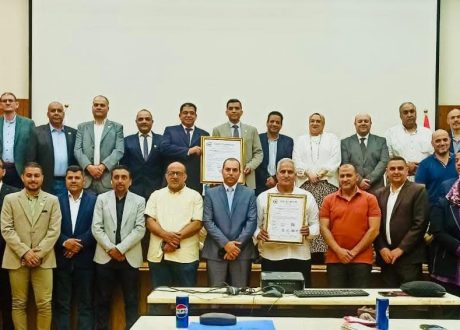
“وزير الزراعة” يعلن حصول الحجر الزراعي المصري على شهادة الأيزو لأول مرة
أعلن علاء فاروق، وزير الزراعة واستصلاح الأراضي، حصول الإدارة المركزية للحجر الزراعي على شهادة الأيزو ...
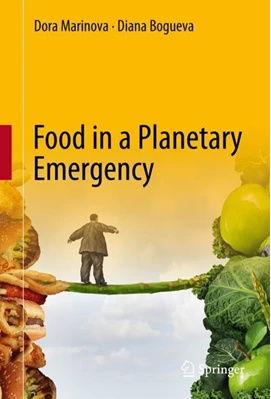
A new book published by researchers at the University of Sydney and Curtin University explores how global food production and consumption are impacting the environment and contributing to emissions, offering a positive, sustainable way forward.
This book – Food in a Planetary Emergency – is a timely overview of the current food systems and the required transformations to respond to the challenges of climate change, population pressures, biodiversity loss and use of natural resources, such as soils, water and phosphorus.
This book takes a planetary health perspective which explores the links between natural systems and human wellbeing implying that there is need for united actions to achieve important environmental and population health co-benefits.
This book outlines that the foundation of planetary health is sustainability. It addresses environment and climate change emergency as a global agenda, however, emphasizes the urgency of the sustainability perspective which integrates a wide spectrum of issues that require integrated solutions to offer better prospects for humanity. This book drives this argument further through the global Sustainable Development Goals (SDGs) where food is not just SDG2 but transcends all 17 goals.
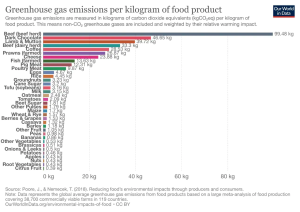
The food choices people make, the way they eat, and the world’s food production systems have an enormous impact on the climate and environment, with food production contributing over 37 percent of the world’s greenhouse gas emissions.
“Greenhouse gas emissions are growing, with the global population set to reach 8.5 billion by 2030,” said the book’s co-author Dr Diana Bogueva, Centre Manager of the University of Sydney’s Center for Advanced Food Engineering. “This means the production and farming of food and agriculture systems is putting enormous strain on the environment through loss of biodiversity, deforestation, loss of savannahs, plastics pollution, exhaustion of the planet’s soils, freshwater overuse, and species’ exploitation.”
“Climate change is being supercharged by humankind. Whether we are prepared to admit it or not, our food choices are a major contributor to the current environmental emergency, but we can make significant changes today that can lessen our impact,” she said.
أعلن علاء فاروق، وزير الزراعة واستصلاح الأراضي، حصول الإدارة المركزية للحجر الزراعي على شهادة الأيزو ...
تابع المهندس شريف الشربيني، وزير الإسكان والمرافق والمجتمعات العمرانية، سير العمل بعددٍ من مشروعات المرافق ...
أكد الدكتور أحمد السبكي، رئيس الهيئة العامة للرعاية الصحية، أن الهيئة تبنت 7 ركائز رئيسية ...

اترك تعليقا