
“وزير الزراعة” يعلن حصول الحجر الزراعي المصري على شهادة الأيزو لأول مرة
أعلن علاء فاروق، وزير الزراعة واستصلاح الأراضي، حصول الإدارة المركزية للحجر الزراعي على شهادة الأيزو ...
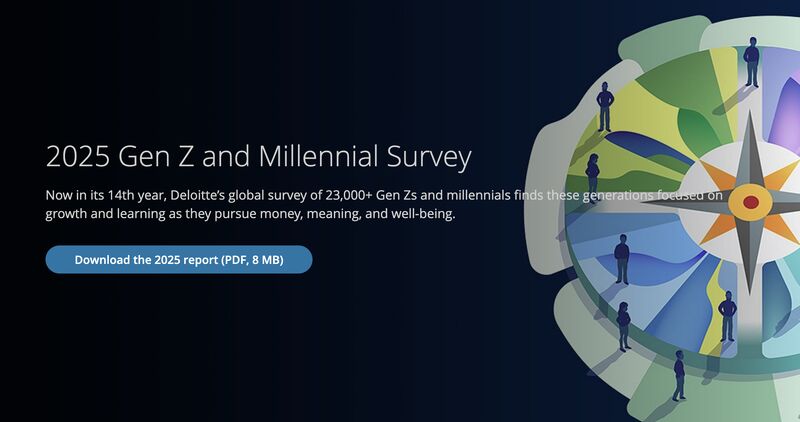
A recent survey conducted by Deloitte revealed that nearly two-thirds of Gen Zs, millennials are willing to pay more for environmentally sustainable products or services.
The 2025 Gen Z and Millennial Survey uncovered that the environment is a major source of anxiety for these generations, with two-thirds (65% of Gen Zs and 63% of millennials) saying they have felt worried or anxious about the environment in the past month.
Deloitte Global’s Gen Z and Millennial Survey, now in its 14th year, examined the factors shaping the worldviews of 23,482 Gen Z and millennial respondents across 44 countries.
Only 24% of Gen Zs and 29% of millennials indicate they have NOT experienced any extreme weather-related events in the past year, suggesting that an overwhelming majority have lived through one or more of these events, such as extreme heat, fire, or water shortages.
Their environmental concerns influence their consumer behavior. Nearly one-fifth of Gen Zs (17%) and millennials (19%) have purchased an electric or hybrid vehicle and nearly half (45% of Gen Zs and 44% of millennials) plan to purchase one in the future.
More than a quarter (26% of Gen Zs and 27% of millennials) have upgraded their homes with more sustainable features, such as solar panels or geothermal heating and cooling systems, while 45% of Gen Zs and 44% of millennials plan to in the future. Additionally, some are taking more affordable every-day actions to reduce their environmental impact: 43% of Gen Zs and 47% of millennials have taken steps to conserve water, such as taking shorter showers or collecting rainwater, and 36% of Gen Zs and 37% of millennials have started to take more energy efficient transportation instead of driving a car. Gen Zs and millennials are also discerning when it comes to the businesses they support—one quarter of Gen Zs (26%) and millennials (25%) have conducted research on a company’s environmental impact or policies before buying a product or service from them
Environmental concerns also impact their career decisions—two out of 10 Gen Zs (23%) and millennials (22%) say they have researched a company’s environmental impact or policies before accepting a job from them.
Purpose influences motivation, engagement, and according to 89% of Gen Zs and 92% of millennials, it is important to job satisfaction and well-being. Many Gen Zs and millennials want to find meaning in their careers and often seek out work that allows them to derive a broader sense of purpose. When evaluating a potential employer, more than half of Gen Zs (54%) and millennials (53%) say meaningful work is very important. For those who don’t feel they are making a meaningful contribution to society through their work, some are focused on making money and having a good work/life balance so that they can use their time and resources to make a difference outside of work.
Moreover, fewer than six in 10 Gen Zs (52%) and millennials (58%) rate their mental well-being as good/very good in this year’s survey. And mental health, a critical component of well-being, has become one of their most pressing societal concerns. This year, Gen Zs ranked the mental health of their generation among their top societal concerns, second only to the cost of living, and above matters such as protecting the environment, unemployment, and political instability. Concerns about mental health are prevalent for millennials as well, although it falls slightly further down their list of societal concerns. It ranked fourth for them this year, behind the cost of living, crime, and protecting the environment, and on par with their concerns about disease prevention, political instability, and unemployment.
The survey tracks stress and anxiety levels as a key indicator of mental health and finds that Gen Zs and millennials continue to report high stress levels. Four in 10 Gen Zs (40%) and 34% of millennials say they feel stressed or anxious all or most of the time, roughly consistent with last year. Finances are a top stress driver along with concerns about the health and welfare of their families. More than 30% of respondents (35% of Gen Zs and 33% of millennials) say their job contributes significantly to their stress levels.
أعلن علاء فاروق، وزير الزراعة واستصلاح الأراضي، حصول الإدارة المركزية للحجر الزراعي على شهادة الأيزو ...
تابع المهندس شريف الشربيني، وزير الإسكان والمرافق والمجتمعات العمرانية، سير العمل بعددٍ من مشروعات المرافق ...
أكد الدكتور أحمد السبكي، رئيس الهيئة العامة للرعاية الصحية، أن الهيئة تبنت 7 ركائز رئيسية ...


اترك تعليقا