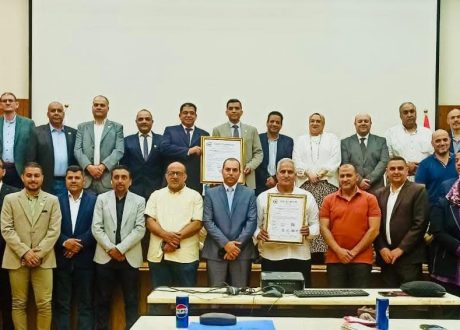
“وزير الزراعة” يعلن حصول الحجر الزراعي المصري على شهادة الأيزو لأول مرة
أعلن علاء فاروق، وزير الزراعة واستصلاح الأراضي، حصول الإدارة المركزية للحجر الزراعي على شهادة الأيزو ...
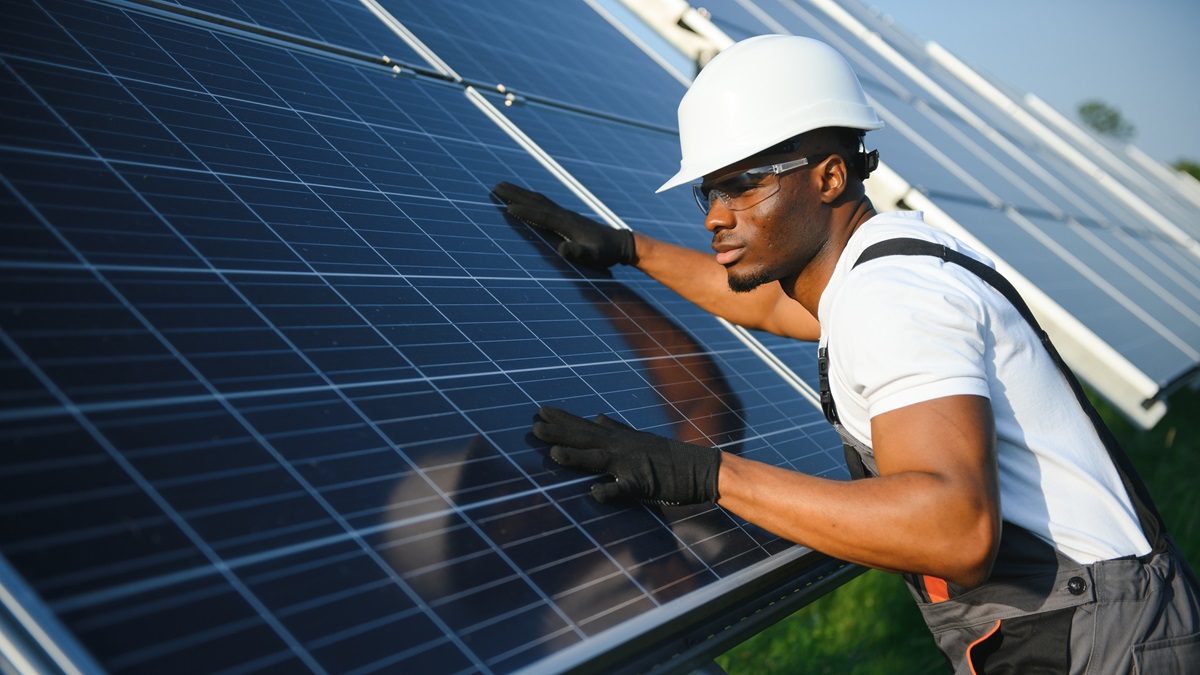
Africa has received more than $10 billion in project finance for wind and solar electricity production, with the largest projects located in Egypt, South Africa, and Zimbabwe, according to the World Investment Report issued in June 2024.
During the year, the estimated value of international project finance deals in African nations declined by 50% to $64 billion. This follows a 20% drop in 2022.
However, the continent attracted a growing share of global greenfield megaprojects, six of them valued above $5 billion.
Topping the list was a green hydrogen project in Mauritania, a least developed country in Northwest Africa. This project is expected to generate $34 billion in investment, an amount several times greater than the nation’s GDP.
Value chains for electric vehicles also prompted foreign investments. The largest deals announced included one to establish a $6.4-billion electric vehicle battery manufacturing facility in Morocco.
The main economies investing in the continent, by foreign direct investments (FDI) stock, are the Kingdom of the Netherlands, France, the United States, the United Kingdom, and China.
FDI flows to Africa fell by 3% to $53 billion in 2023, Foreign investments in North Africa went down by 12%. Morocco also had decreased FDI inflows but performed well in attracting greenfield projects.
FDI flows to West Africa dipped by 1%, with mixed results across countries. The value of greenfield investment was heavily influenced by the announced $34-billion green hydrogen project in Mauritania.Even excluding this outlier, greenfield project values tripled, and the number of projects remained stable.
In Central Africa, FDI declined by 17%. Despite a 56% increase in the number of greenfield projects and a 119% rise in their value, the region was negatively impacted by the downturn in international project finance deals.
In East Africa, FDI inflows fell by 3%, mainly due to an 11% decrease in Ethiopia. However, greenfield projects and international project finance deals increased by more than 30%, indicating better prospects ahead.
In Southern Africa, fluctuations in Angola continued to influence trends. Inflows to South Africa decreased by 43% despite higher mergers and acquisitions activity.
Compared to 2018, FDI inflows expanded for all major regional groupings, most prominently the Economic Community of West African States (ECOWAS), and the Southern African Development Community (SADC).
أعلن علاء فاروق، وزير الزراعة واستصلاح الأراضي، حصول الإدارة المركزية للحجر الزراعي على شهادة الأيزو ...
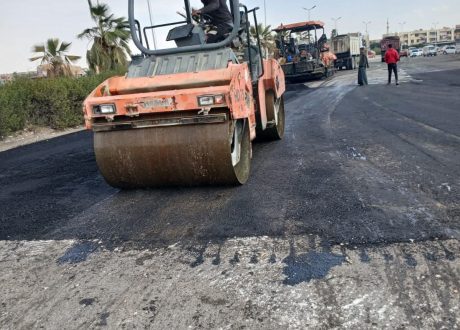
تابع المهندس شريف الشربيني، وزير الإسكان والمرافق والمجتمعات العمرانية، سير العمل بعددٍ من مشروعات المرافق ...
أكد الدكتور أحمد السبكي، رئيس الهيئة العامة للرعاية الصحية، أن الهيئة تبنت 7 ركائز رئيسية ...
اترك تعليقا