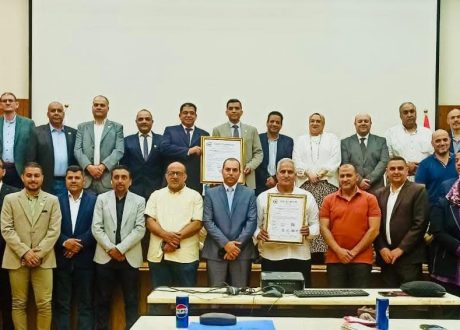
“وزير الزراعة” يعلن حصول الحجر الزراعي المصري على شهادة الأيزو لأول مرة
أعلن علاء فاروق، وزير الزراعة واستصلاح الأراضي، حصول الإدارة المركزية للحجر الزراعي على شهادة الأيزو ...

UNICEF cautioned that about 4.5 million children in South Asia are at risk over vaccination disruption.
South Asia could face yet another health emergency if children across the region do not receive their life-saving vaccine shots.
Almost a quarter of the world’s unimmunized or partially immunized children—about 4.5 million children—live in South Asia.
Almost all of them, or 97 percent, live in India, Pakistan and Afghanistan. With lockdowns in place as a part of the novel coronavirus (COVID-19) response, routine immunizations have been severely disrupted, and parents are increasingly reluctant to take their children to health centers for routine jabs.
Sporadic outbreaks of vaccine-preventable diseases, including measles and diphtheria, have already been seen in parts of Bangladesh, Pakistan and Nepal.
The South Asia region is also home to two of the last polio endemic countries in the world, Afghanistan and Pakistan.
“Vaccine stocks are running dangerously low in some countries of the region as supply chains have been disrupted with travel bans and cancelled flights. The manufacturing of the vaccines has also been disrupted, creating additional shortages,” says Paul Rutter, Regional Health Advisor for UNICEF Regional Office for South Asia (ROSA).
Many of the health facilities throughout the region, where millions of children are normally vaccinated, have been closed and outreach sessions have been suspended, adding to the challenge.
“As long as frontline health workers take the appropriate precautions, particularly washing their hands, there is no reason not to vaccinate – in fact, it is crucial that vaccination continues,” says Paul Rutter.
Across the region, national mass vaccination campaigns have been postponed. Bangladesh and Nepal have postponed their national measles and rubella campaigns while Pakistan and Afghanistan have suspended their polio campaigns.
UNICEF strongly recommends that, where immunization campaigns are suspended, governments begin rigorous planning now to intensify immunization activities once the COVID -19 pandemic is under control.
“We are very concerned about the impact of not getting children vaccinated,” says Jean Gough, Director of UNICEF ROSA. “Many of these children are already vulnerable. While the COVID-19 virus does not appear to make many children seriously ill, the health of hundreds of thousands of children could be impacted by this disruption of regular immunization services. This is a very serious threat. Early action is key.”
أعلن علاء فاروق، وزير الزراعة واستصلاح الأراضي، حصول الإدارة المركزية للحجر الزراعي على شهادة الأيزو ...
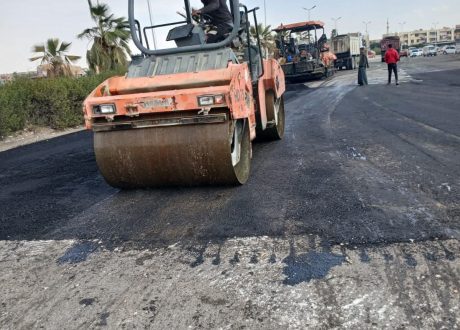
تابع المهندس شريف الشربيني، وزير الإسكان والمرافق والمجتمعات العمرانية، سير العمل بعددٍ من مشروعات المرافق ...
أكد الدكتور أحمد السبكي، رئيس الهيئة العامة للرعاية الصحية، أن الهيئة تبنت 7 ركائز رئيسية ...
اترك تعليقا