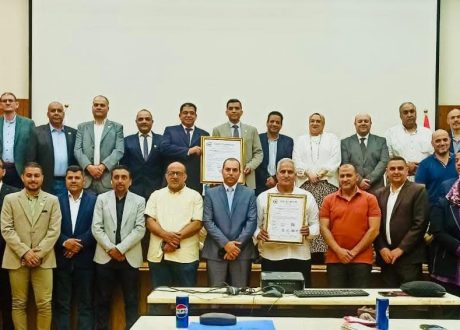
“وزير الزراعة” يعلن حصول الحجر الزراعي المصري على شهادة الأيزو لأول مرة
أعلن علاء فاروق، وزير الزراعة واستصلاح الأراضي، حصول الإدارة المركزية للحجر الزراعي على شهادة الأيزو ...
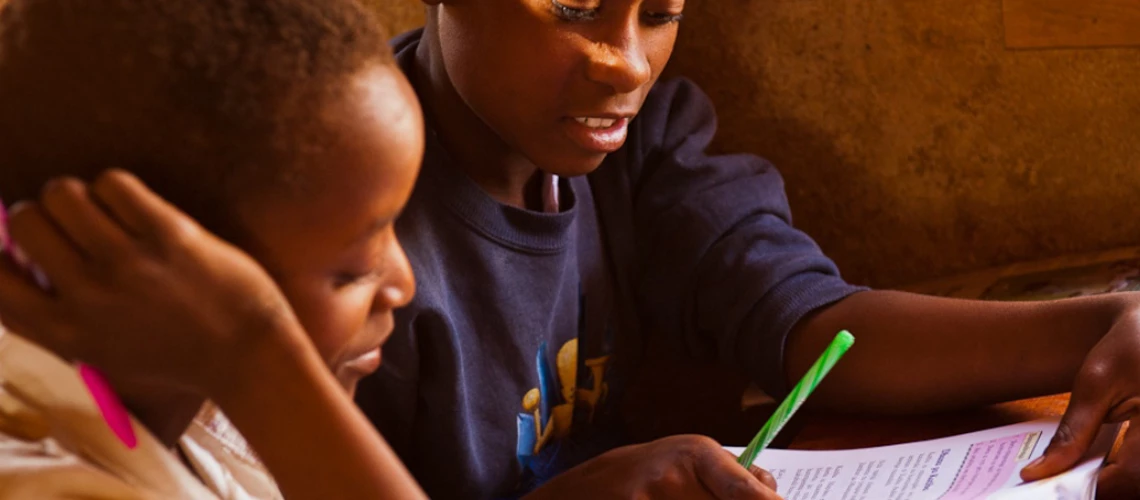
The World Bank uncovered that lower-middle-income countries (LMICs) face an estimated $97 billion annual financing gap for education.
According to the UNESCO-World Bank’s latest Education Finance Watch report, LMICs only spend $309 per child on education per year, whereas high income countries spend about 28 times that amount.
Six in 10 children in LMICs cannot read or understand simple text by the age of 10. Of the 251 million children and youth currently out of school across the world, the overwhelming majority of these live in LMICs. This learning crisis has long-term consequences—not just for those children with no hope of a better life ahead, but for entire societies which remain trapped in a cycle of deprivation and dependency. There is an urgent need for more adequate, efficient, and equitable spending on education and skills.
The devastating impacts of lack of investment won’t be confined to LMICs either. It is in every nation’s self-interest to invest in education and opportunity around the world. A more educated, prosperous global population means more stable markets, more resilient supply chains, and fewer drivers of displacement and conflict. In today’s interconnected world, education is not just a moral imperative—it is a strategic, economic and national security necessity.
World Bank Group President Ajay Banga has said that education is a foundational infrastructure for jobs, which are the surest way out of poverty. Nowhere is this more urgent—or with more potential—than in Africa, where by 2050, nearly one in four people on the planet will live. With the right investment in education and skills, this demographic boom can become a powerful engine of both African and global economic growth and stability. Without it, we risk deepening economic fragmentation, instability and uncontrolled movements of people which will affect us all.
The World Bank Group brings in depth country knowledge, policy expertise, and vast operational experience and scale to this partnership, and together we can deliver real change: improving learning outcomes and supporting the skills needed for future-ready workforces.
This isn’t just a financial partnership. The World Bank is trying a fresh approach focusing on education projects that enable strong private sector engagement and lead to job creation, because this is a smarter way of delivering financing that will be sustainable long term, enable people to escape poverty, build self-sufficient economies, reduce humanitarian needs, and enhance global stability. Our goal is to make the right investments to create and support jobs and put LMICs on a path to prosperity. This is smart aid in action.
Now is the time to act. The world faces the intersecting challenges of conflict, climate change, and economic uncertainty. “Together, the World Bank and IFFEd are showing how through innovative financing, bold partnerships and effective private sector engagement we can finally close the education funding gap.”
أعلن علاء فاروق، وزير الزراعة واستصلاح الأراضي، حصول الإدارة المركزية للحجر الزراعي على شهادة الأيزو ...
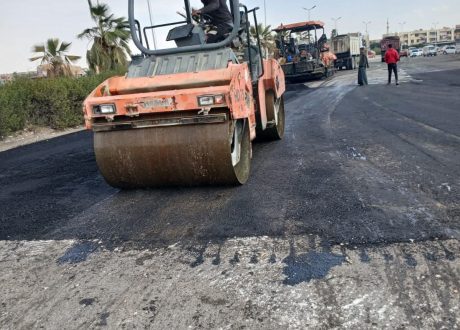
تابع المهندس شريف الشربيني، وزير الإسكان والمرافق والمجتمعات العمرانية، سير العمل بعددٍ من مشروعات المرافق ...
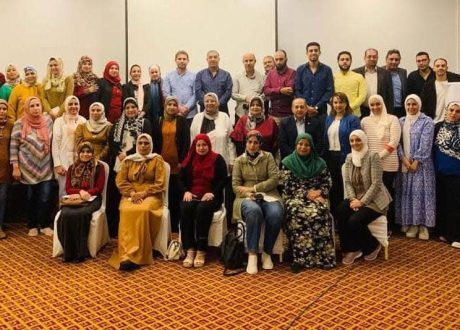
أكد الدكتور أحمد السبكي، رئيس الهيئة العامة للرعاية الصحية، أن الهيئة تبنت 7 ركائز رئيسية ...
اترك تعليقا