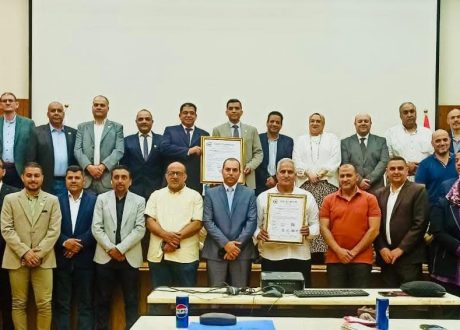
“وزير الزراعة” يعلن حصول الحجر الزراعي المصري على شهادة الأيزو لأول مرة
أعلن علاء فاروق، وزير الزراعة واستصلاح الأراضي، حصول الإدارة المركزية للحجر الزراعي على شهادة الأيزو ...

The International Day of Zero Waste – slated for March 30 – is held this year under the theme of Towards Zero Waste in Fashion and Textiles as 92 million tons of textiles waste is produced globally.
Addressing this challenge requires systemic change through sustainable production and consumption, and circular solutions. A zero-waste approach is key to this transition.
Consumers can significantly reduce environmental harm by adopting practices like reuse, repair, and recycling. Shifting away from fast fashion and investing in durable, high-quality clothing not only conserves resources but also honors traditional sustainability approaches.
The private sector must take responsibility by designing products that are durable, repairable, and recyclable, while embracing circular business models that curb chemical pollution, reduce production volumes, use sustainable materials, and help rebuild biodiversity. Innovation and accountability should guide business strategies.
Governments play a critical role by enforcing Extended Producer Responsibility (EPR) schemes, regulating harmful chemicals, investing in recycling infrastructure, and incentivizing sustainable business models to drive the transition to a circular economy.
The United Nations Environment Program (UNEP) and the United Nations Human Settlements Program (UN-Habitat) jointly facilitate the observance of International Day of Zero Waste.
As part of this campaign, Member States, organizations of the United Nations system, civil society, the private sector, academia, women, youth and other stakeholders are invited to engage in activities aimed at raising awareness of national, subnational, regional and local zero-waste initiatives and their contribution to achieving sustainable development.
Promoting zero-waste initiatives through this international day can help advance all the goals and targets in the 2030 Agenda for Sustainable Development, including Sustainable Development Goal 11 and Sustainable Development Goal 12. These goals address all forms of waste, including food loss and waste, natural resource extraction and electronic waste.
أعلن علاء فاروق، وزير الزراعة واستصلاح الأراضي، حصول الإدارة المركزية للحجر الزراعي على شهادة الأيزو ...
تابع المهندس شريف الشربيني، وزير الإسكان والمرافق والمجتمعات العمرانية، سير العمل بعددٍ من مشروعات المرافق ...
أكد الدكتور أحمد السبكي، رئيس الهيئة العامة للرعاية الصحية، أن الهيئة تبنت 7 ركائز رئيسية ...

اترك تعليقا