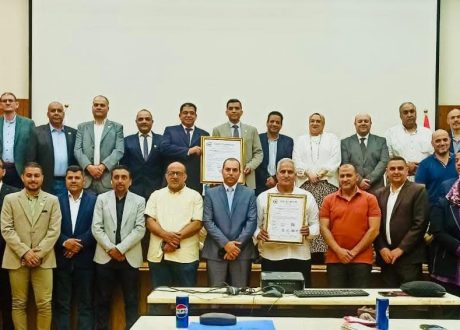
“وزير الزراعة” يعلن حصول الحجر الزراعي المصري على شهادة الأيزو لأول مرة
أعلن علاء فاروق، وزير الزراعة واستصلاح الأراضي، حصول الإدارة المركزية للحجر الزراعي على شهادة الأيزو ...
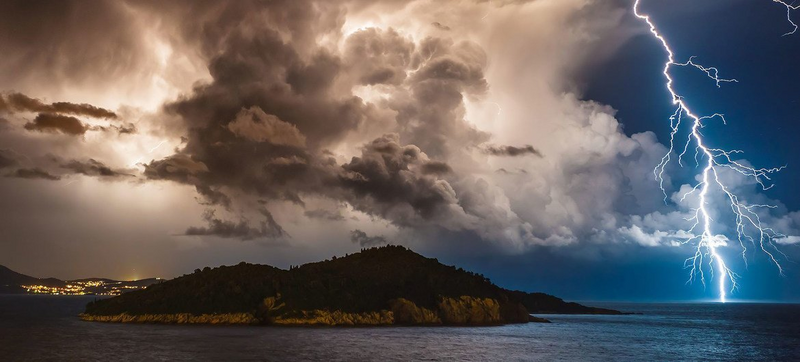
The deadly floods in Spain have underlined the international community’s need to cut greenhouse gas emissions and bolster the early warning system to avoid such devastation.
“The flooding that we’re seeing in Spain is just one of many, many, many, extreme weather and water-related disasters that have been taking place around the world this year. Almost every week we’re seeing such shocking images,” spokesperson of the World Meteorological Organization (WMO) Clare Nullis told journalists in Geneva.
More than 150 people have been killed in Spain, where a massive search and rescue operation is ongoing even as the rains continue.
The Valencia region was worst affected, and “some areas received more than the equivalent of a year’s amount of rainfall in the space of eight hours.”
Spain’s meteorological and hydrological service, AEMET, has been issuing constant advisories and alerts throughout the week via the common alerting protocol, she said, referring to the standardized message format for all media, all hazards, and all communication channels.
A red alert – the top level – was issued on Friday in the southwest province of Huelva, “so, unfortunately, this episode is not finished yet”.
Nullis recalled that other areas in Europe have been badly affected by floods this year. In mid-September, parts of Central Europe experienced very heavy rainfall, breaking local and national records.
“According to the Intergovernmental Panel on Climate Change, extreme weather events causing highly impactful floods and droughts have become more likely and more severe due to anthropogenic climate change,” she said.
She pointed to WMO’s recently released report on the State of Global Water Resources. Commenting at the time, the agency’s chief, Celeste Saulo, said that the hydrological cycle has accelerated due to rising temperatures.
As a result, the world is facing growing problems of either too much or too little water. Furthermore, a warmer atmosphere holds more moisture, which is conducive to heavy rainfall.
Nullis said this is what is happening in Spain.
“As the air warms, it becomes more moist. So, every additional fraction of warming increases the atmospheric moisture content, and this increases the risk of extreme precipitation, flooding,” she explained.
Nullis said the international community “can make a good start by reducing greenhouse gas emissions which are the driver behind this.”
Countries also “need to ensure that early warnings lead to informed early action.”
أعلن علاء فاروق، وزير الزراعة واستصلاح الأراضي، حصول الإدارة المركزية للحجر الزراعي على شهادة الأيزو ...
تابع المهندس شريف الشربيني، وزير الإسكان والمرافق والمجتمعات العمرانية، سير العمل بعددٍ من مشروعات المرافق ...
أكد الدكتور أحمد السبكي، رئيس الهيئة العامة للرعاية الصحية، أن الهيئة تبنت 7 ركائز رئيسية ...
اترك تعليقا