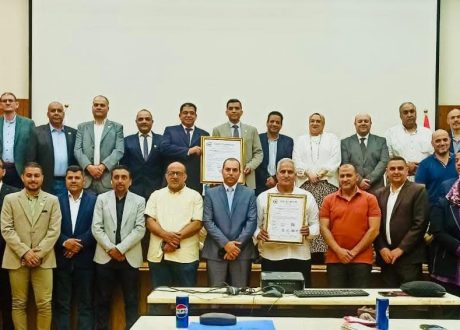
“وزير الزراعة” يعلن حصول الحجر الزراعي المصري على شهادة الأيزو لأول مرة
أعلن علاء فاروق، وزير الزراعة واستصلاح الأراضي، حصول الإدارة المركزية للحجر الزراعي على شهادة الأيزو ...

About $14.3 billion is needed to address the backlog of 1 billion people living with vision impairment or blindness due to short and far sightedness, and cataracts.
At least 2.2 billion people have vision impairment or blindness, of which over 1 billion cases could have been prevented or have yet to be addressed.
More than 1 billion people worldwide are living with vision impairment because they do not get the care they need for conditions like short and far sightedness, glaucoma and cataract, according to the first World report on vision issued by the World Health Organization.
Low- and middle-income regions of western and eastern sub-Saharan Africa and South Asia have rates of blindness that are eight times higher than in all high-income countries. Rates of cataract and trachomatous trichiasis are higher among women, particularly in low- and middle-income countries.
The report, launched ahead of World Sight Day on 10 October, found that ageing populations, changing lifestyles and limited access to eye care, particularly in low- and middle-income countries, are among the main drivers of the rising numbers of people living with vision impairment.
“Eye conditions and vision impairment are widespread, and far too often they still go untreated,” says Dr Tedros Adhanom Ghebreyesus, WHO Director-General. “People who need eye care must be able to receive quality interventions without suffering financial hardship. Including eye care in national health plans and essential packages of care is an important part of every country’s journey towards universal health coverage.”
Dr Tedros adds: “It is unacceptable that 65 million people are blind or have impaired sight when their vision could have been corrected overnight with a cataract operation, or that over 800 million struggle in everyday activities because they lack access to a pair of glasses.”
Dr Alarcos Cieza, who heads WHO’s work to address blindness and vision impairment, says: “Millions of people have severe vision impairment and are not able to participate in society to their fullest because they can’t access rehabilitation services. In a world built on the ability to see, l eye care services, including rehabilitation, must be provided closer to communities for people to achieve their maximum potential.”
The report states that all people living with blindness and severe vision impairment who cannot be treated are still able to lead independent lives if they access rehabilitation services. Options include optical magnifiers and reading use Braille, to smartphone wayfinders and orientation and mobility training with white canes.
أعلن علاء فاروق، وزير الزراعة واستصلاح الأراضي، حصول الإدارة المركزية للحجر الزراعي على شهادة الأيزو ...
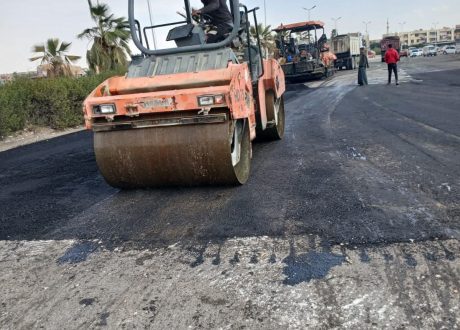
تابع المهندس شريف الشربيني، وزير الإسكان والمرافق والمجتمعات العمرانية، سير العمل بعددٍ من مشروعات المرافق ...
أكد الدكتور أحمد السبكي، رئيس الهيئة العامة للرعاية الصحية، أن الهيئة تبنت 7 ركائز رئيسية ...
اترك تعليقا