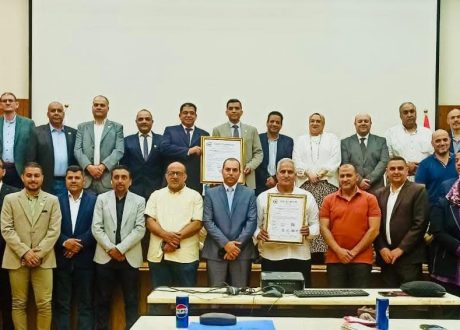
“وزير الزراعة” يعلن حصول الحجر الزراعي المصري على شهادة الأيزو لأول مرة
أعلن علاء فاروق، وزير الزراعة واستصلاح الأراضي، حصول الإدارة المركزية للحجر الزراعي على شهادة الأيزو ...
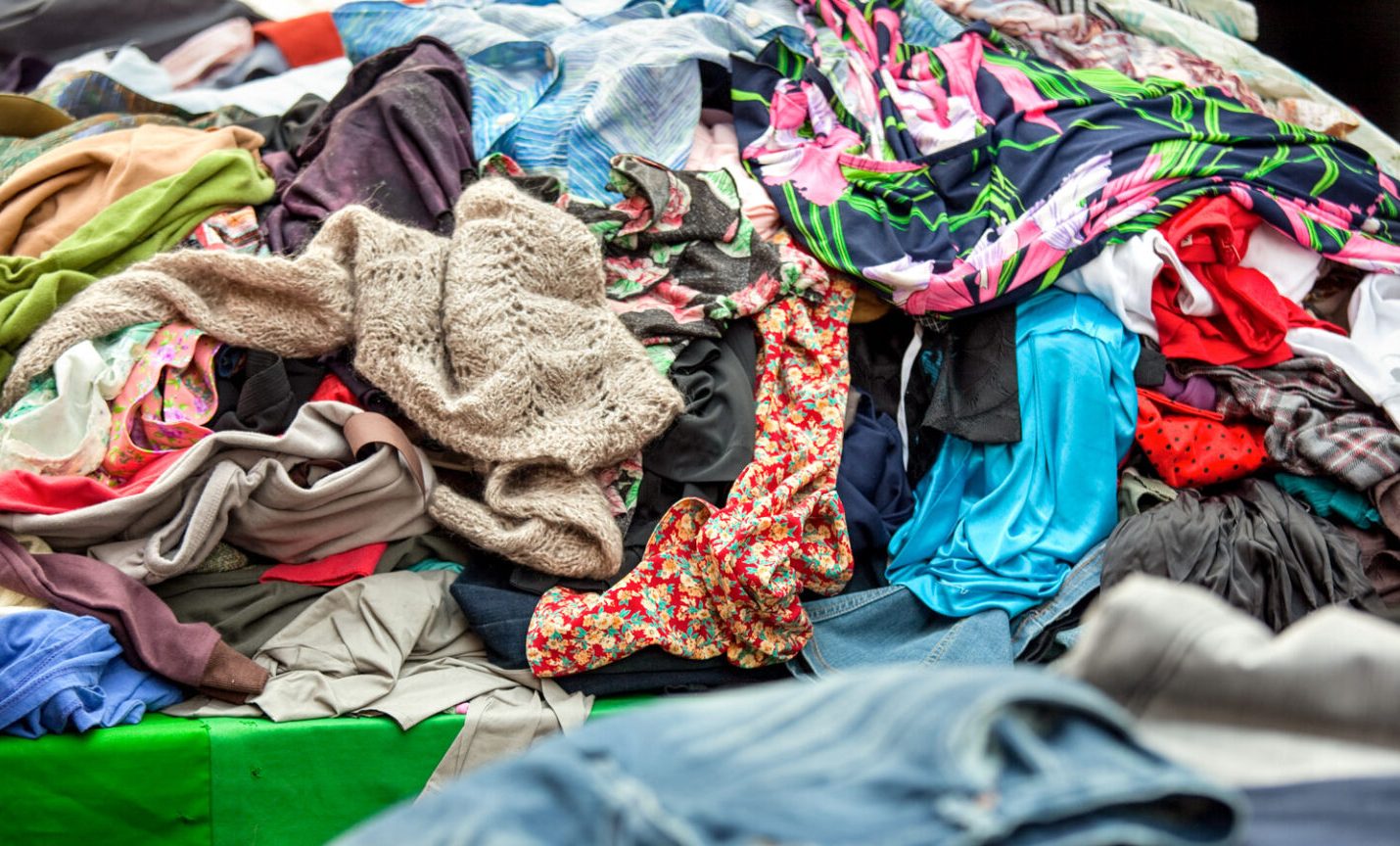
The United Nations Environment Program (UNEP) and the Global Environment Facility (GEF) are supporting the governments of Bangladesh, Indonesia, Pakistan and Viet Nam to spearhead the movement to tackle waste in the global textiles industry through a five-year, $43-million program.
The four big clothes-producing countries are strengthening regulations and help their manufacturers – which employ 10 million people and produce 15 per cent of global clothing exports – to reduce the use of hazardous chemicals in bleaching, dyeing and other forms of textile processing.
The program will bring public policy up to the standards of international best practice and equip companies with the tools and know-how to better manage hazardous chemicals, protect their workers and reduce the leakage of toxic “forever chemicals”, a family of approximately 12,000 synthetic chemicals.
Globally, innovations to manufacturing and dyeing are needed to address the textile industry’s high resource use, while new technologies must be developed to improve reuse, upcycling and recycling when materials reach their end-of-life stage, according to a 2020 UNEP report.
Waste – including plastic packaging, food, clothes, electronics and debris from mining and construction sites – leads to disastrous consequences for human health and the economy and aggravates the triple planetary crisis of climate change, nature and biodiversity loss, and pollution. It disproportionately affects the poor, and up to 4 billion people lack access to proper waste disposal.
أعلن علاء فاروق، وزير الزراعة واستصلاح الأراضي، حصول الإدارة المركزية للحجر الزراعي على شهادة الأيزو ...
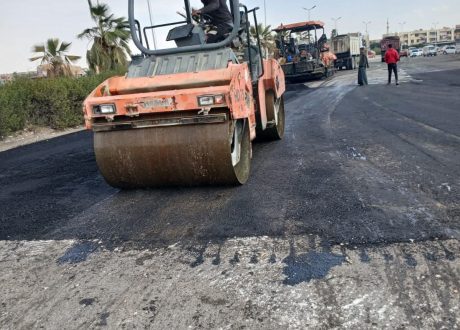
تابع المهندس شريف الشربيني، وزير الإسكان والمرافق والمجتمعات العمرانية، سير العمل بعددٍ من مشروعات المرافق ...
أكد الدكتور أحمد السبكي، رئيس الهيئة العامة للرعاية الصحية، أن الهيئة تبنت 7 ركائز رئيسية ...
اترك تعليقا