
Meta backs MacroCycle plant targeting 5,000 tons of recycled plastic, 80% lower emissions
Meta has signed a three-year deal with US plastics recycling startup MacroCycle to support development ...
Amazon is investing $2 million in its first water replenishment project in Georgia through a partnership with the National Fish and Wildlife Foundation (NFWF), as part of its commitment to become water positive globally by 2030.
The initiative marks Amazon’s first water replenishment project in Georgia and builds on a similar NFWF-backed project already underway near Rockingham, North Carolina.
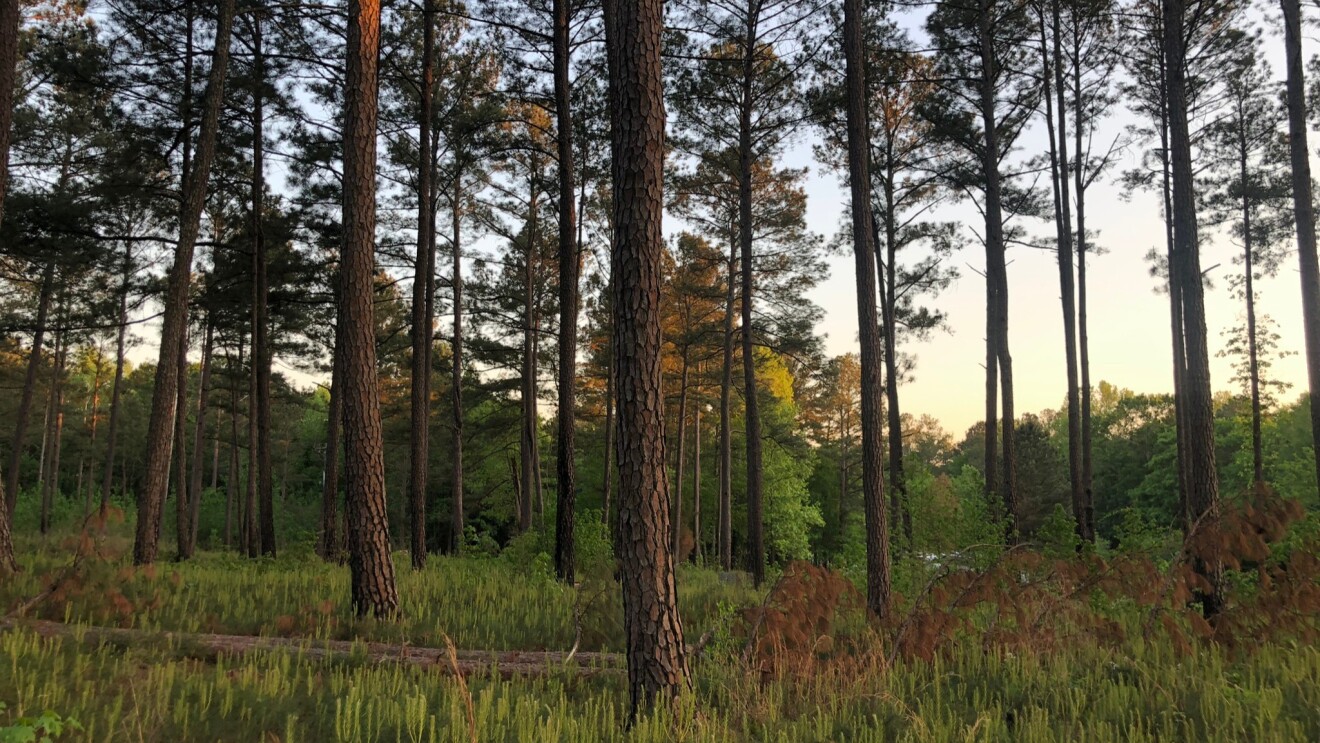
Under the project, NFWF, in collaboration with the Georgia Forest Commission, will restore 16,000 acres of longleaf pine and other open pine and oak forests within the Upper Ocmulgee watershed in the greater Atlanta area.
The restoration aims to improve wildlife habitat while increasing water flows across the region.
Project activities will include managing invasive vegetation to reduce excess plant cover, helping lower evapotranspiration—the amount of water absorbed by vegetation—and increase downstream water flows.
The project is expected to replenish an average of 370 million gallons of water annually for local communities and the environment. Amazon is fully funding the initiative, which is expected to deliver benefits through December 2035.
Separately, Amazon is investing in reclaimed water infrastructure across Georgia, with 22 reclaimed water sites currently under construction in partnership with the Douglasville-Douglas County Water and Sewer Authority, Cobb County Water Systems, and the City of Covington.
The facilities will use treated wastewater instead of potable water to cool data centers in the region, a move expected to save approximately 80 million gallons of water annually once fully operational.
The Georgia restoration project supports Amazon’s goal of becoming water positive by 2030, returning more water to communities than it uses in its direct data center operations.
Meta has signed a three-year deal with US plastics recycling startup MacroCycle to support development ...
Catalyst Mobility, formerly CALSTART, and Smart Freight Center announced that a coalition of major cargo-owning ...
The REEFS Business Incubator, Egypt’s first business incubator dedicated to startups and SMEs working to ...
Leave a comment